


Himalayan Flood Leaves Hundreds Dead, Over 1,000 Missing
Translated from English and summarized by DistantNews. Read the original for the full story.
At a glance
News
Sources not specified
Ongoing story
- A flash flood in the Himalayas, triggered by a glacier collapse, has killed at least 359 people and left nearly 1,000 missing.
- The torrent swept through villages and infrastructure in Nepal and China, with at least 540 foreigners among the missing.
- Authorities warn of a risk of further flooding due to water pooling in lakes formed by debris, with potential for lake breaches.
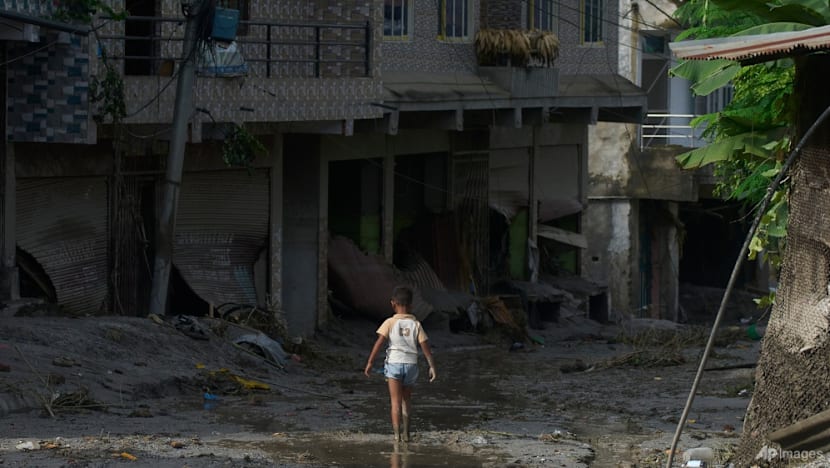
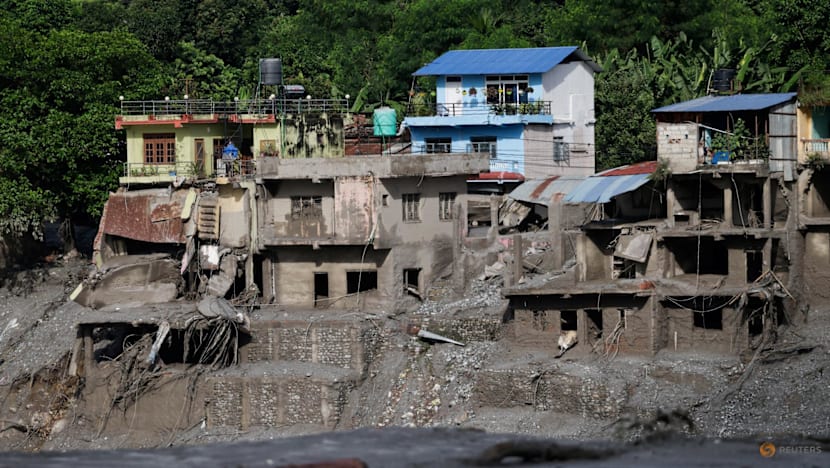
Rescuers are scouring Himalayan valleys and hillsides following a devastating flash flood that has claimed at least 359 lives, with nearly 1,000 people still missing. The disaster, which struck on August 27, was triggered by a glacier collapse on August 26 that sent a massive torrent of rock, ice, mud, and debris cascading through river systems in both Nepal and China.
The powerful floodwaters inundated villages and destroyed critical infrastructure along a route connecting Kathmandu with Lhasa in Tibet. Among the missing are at least 540 foreigners. Nepalese authorities are utilizing helicopters for search and rescue operations and to deliver emergency supplies to thousands stranded in towns and valleys, while recovery teams are retrieving bodies washed downstream.
Adding to the crisis, authorities in both Nepal and China have issued warnings about the potential for further flooding. Debris has formed a lake blocking the Bhotekoshi River, and this lake is reportedly rising and at risk of bursting. On the Chinese side, a similar situation involves an estimated three million cubic meters of water expected to flow into an already dammed lake, with a high risk of breaching, particularly around September 1.
The situation on the Chinese side of the border, specifically at the Gyirong border crossing, has been severe. Chinese rescuers faced challenges reaching the worst-hit area due to debris blocking the main access road. Dramatic footage from August 26 showed the torrent tearing through structures and engulfing people at the border crossing, reducing the entire complex, including official buildings, to a unrecognizable mass of destruction.
The volume of water is continuing to increase, and so is the risk.
About this summary
Originally published by The Straits Times in English. Translated, summarized, and contextualized automatically by DistantNews, with a note on how the source frames the story. Not individually reviewed before publishing. How this works.
More Stories

From Our Blog

What Gets Lost (and Found) When News Is Translated

The Critical Role of Diaspora Media in Global News

What Travellers Should Know About Countries with Restricted Press

A Digital Nomad's Guide to Following Local News

How the Same Story Looks Different in Different Countries
