

Himalayan Floods Impact 93,000 People, Red Cross Reports
Translated from Latvian and summarized by DistantNews. Read the original for the full story.
At a glance
News
Named sources
Ongoing story
- Flash floods in the Nepal-China Himalayan border region have affected 93,000 people, the IFRC reported.
- The disaster has destroyed or severely damaged over 40 bridges and 40 kilometers of roads.
- At least 17,000 children in the region require urgent humanitarian assistance, according to UNICEF.
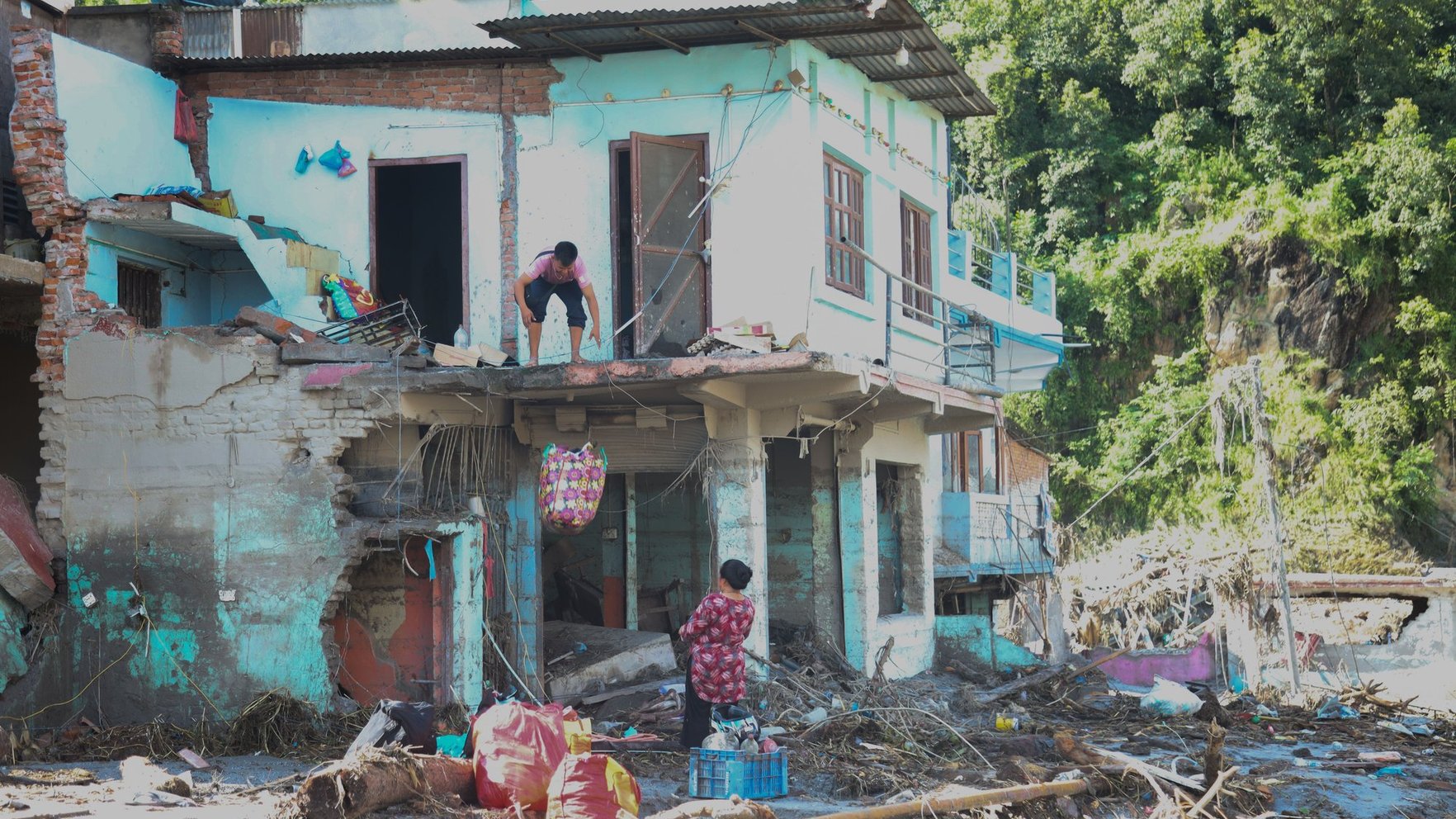
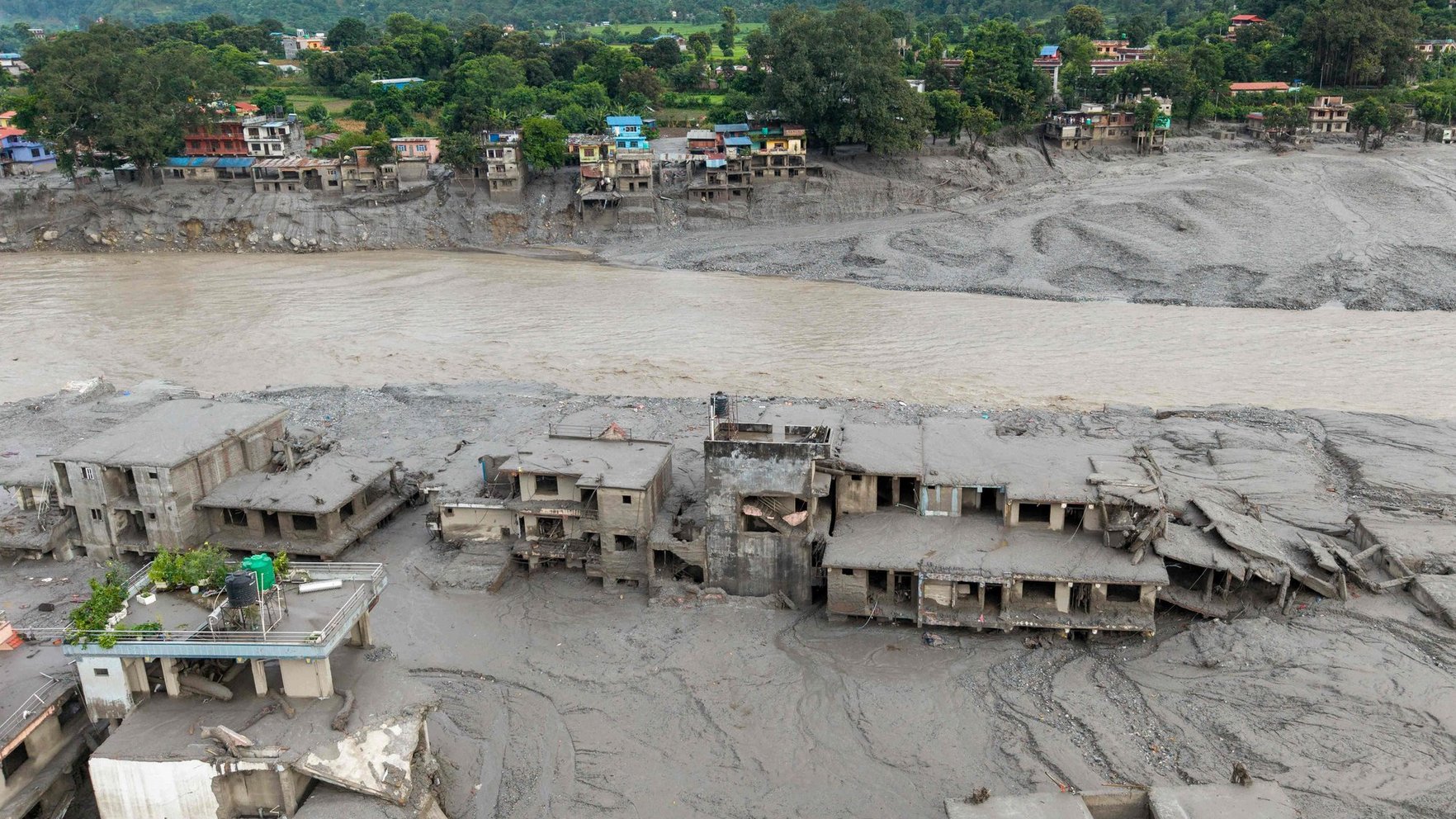
The devastating flash floods triggered by a glacial collapse in the Nepal-China Himalayan border region have impacted an estimated 93,000 people, the International Federation of Red Cross and Red Crescent Societies (IFRC) announced Friday.
The scale of the disaster is immense, with over 40 bridges and 40 kilometers of roads destroyed or severely damaged. This widespread infrastructure collapse severely hampers rescue and relief efforts, isolating many communities. Hydroelectric power stations have also been affected, impacting the region's energy supply.
The scale of the disaster is simply - I can't find words to describe what happened yesterday.
UNICEF has highlighted the urgent needs of the most vulnerable, stating that at least 17,000 children in the affected region require immediate humanitarian aid. The agency warned that these children face risks of malnutrition, violence, exploitation, and psychological trauma in the aftermath of the disaster.
On the Nepalese side, police reported at least 547 deaths, while Chinese authorities confirmed five fatalities in Tibet. Including bodies recovered in India, the total death toll has reached at least 552. More than 1,400 people, including hundreds of foreign tourists, remain missing, underscoring the catastrophic human cost of the floods.
Emergencies don't end when the floodwaters recede.
About this summary
Originally published by Delfi Latvia in Latvian. Translated, summarized, and contextualized automatically by DistantNews, with a note on how the source frames the story. Not individually reviewed before publishing. How this works.
More Stories
From Our Blog

What Gets Lost (and Found) When News Is Translated

The Critical Role of Diaspora Media in Global News

What Travellers Should Know About Countries with Restricted Press

A Digital Nomad's Guide to Following Local News

How the Same Story Looks Different in Different Countries
