

Himalayan pass reopens as ‘goodwill’ gesture in China-India thaw
Summarized and contextualized by DistantNews.
At a glance
News
Named sources
Context piece
- China and India have resumed cross-border trade through the Lipulekh Pass in the Himalayas, signaling a potential thaw in their relationship after a six-year hiatus.
- The reopening, following Chinese Foreign Minister Wang Yi's visit to New Delhi, is seen by analysts as a goodwill gesture but tempered by the ongoing border dispute and strategic rivalry.
- The first group of Indian traders crossed into Tibet on June 26, with more journeys planned during the seasonal trading window, which experts view as a pragmatic step in managing bilateral issues.
China and India have resumed cross-border trade via the Lipulekh Pass in the Himalayas, marking a significant step in a cautious rapprochement between the two Asian giants. This reopening, occurring after a six-year suspension, follows closely on the heels of Chinese Foreign Minister Wang Yi's visit to New Delhi.
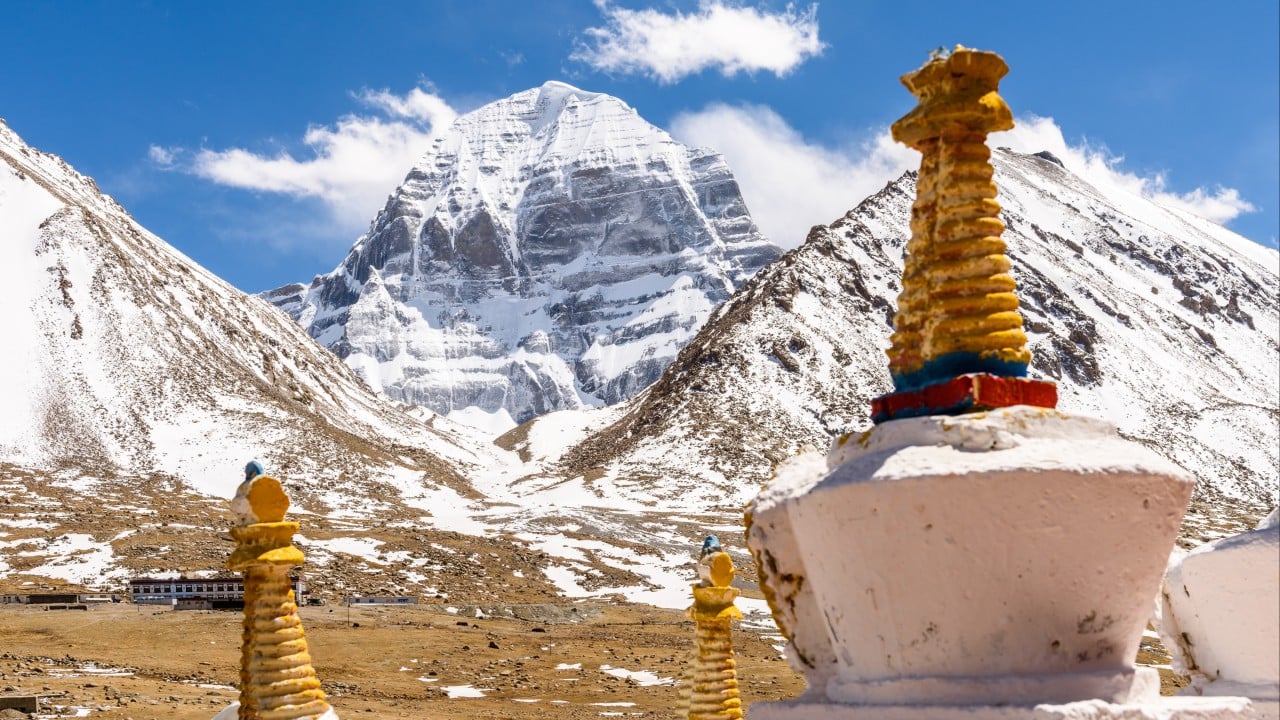
Analysts interpret the move as a goodwill gesture from Beijing, although they caution that deep-seated border disputes and strategic competition continue to cast a shadow over the relationship. The Press Trust of India reported that on June 26, the first contingent of 26 Indian traders from Uttarakhand entered the Taklakot market in Purang county, Tibet. This market is situated near the sacred Mount Kailash and Lake Manasarovar in the Ngari prefecture of eastern Tibet. Additional trade journeys are scheduled within the seasonal window, which extends until September.
a step towards recovery and warming ties
Wang Dehua, an expert on India at the Shanghai Municipal Centre for International Studies, described the reopening not as a strategic reset but as "a step towards recovery and warming ties." He further commented that "The reopening can be seen as a pragmatic step by China in managing Tibet-related issues."
The reopening can be seen as a pragmatic step by China in managing Tibet-related issues.
DistantNews Editorial
Originally published by South China Morning Post. Summarized and contextualized by our editorial team with added local perspective. Read our editorial standards.
More Stories

From Our Blog

Countries Without a Free Press: What You Need to Know

What Press Freedom Means for the News You Read

What Gets Lost (and Found) When News Is Translated

The Critical Role of Diaspora Media in Global News

What Travellers Should Know About Countries with Restricted Press
