

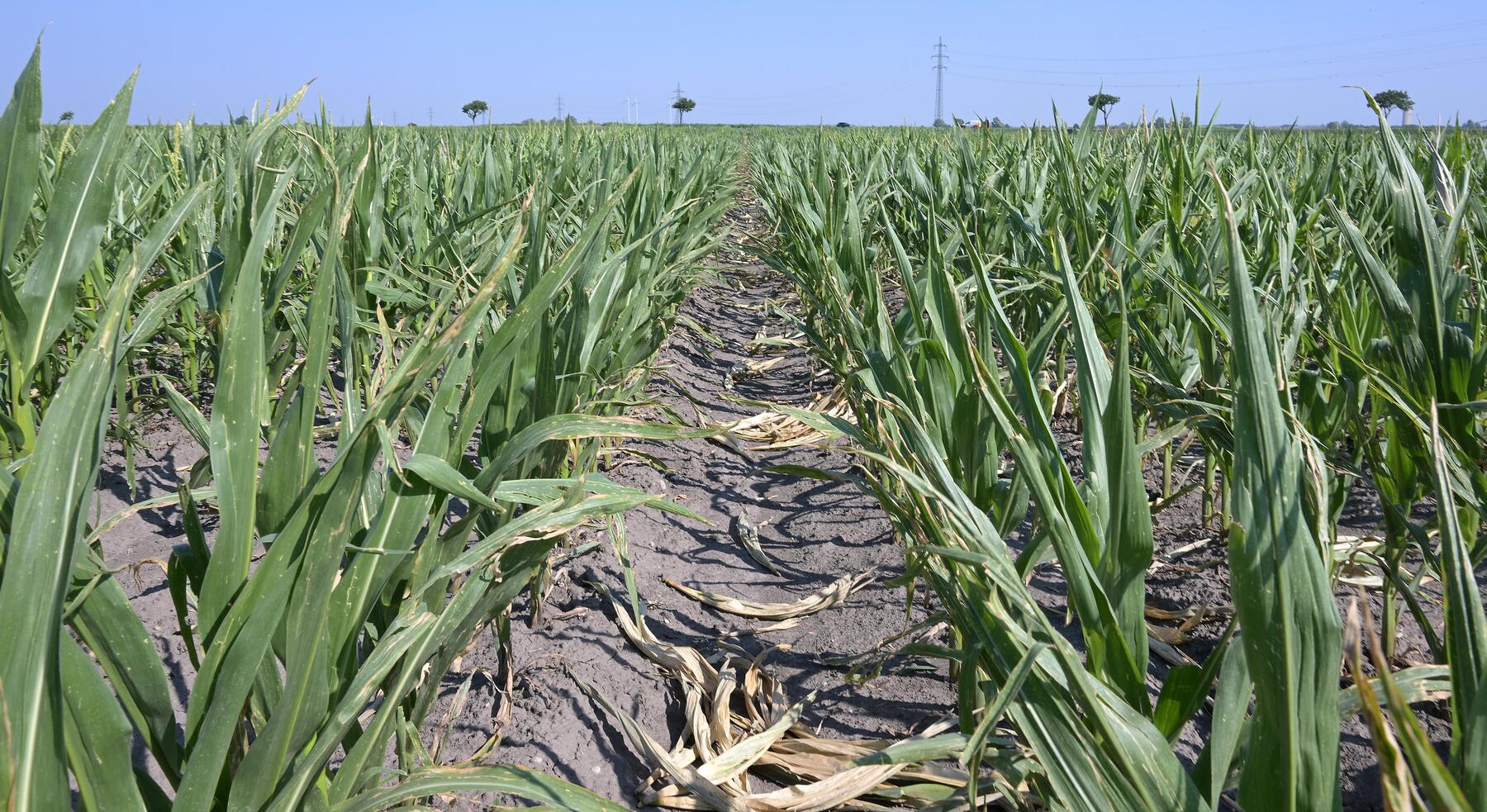

Historic low water levels in Rhine choke German economy
Translated from German, summarized and contextualized by DistantNews.
At a glance
News
Sources not specified
Ongoing story
- Germany's economy is being severely impacted by historically low water levels in the Rhine River, disrupting shipping and increasing costs.
- The low water levels are forcing more states to relax Sunday truck driving bans to compensate for shipping delays.
- However, a shortage of personnel and intact roads further complicates logistics, exacerbating the economic strain.
Germany's economy is facing significant disruption due to historically low water levels in the Rhine River, a crucial artery for the country's transportation network. The diminished flow is making river shipping increasingly uncertain and expensive, impacting the movement of goods and raw materials.
The persistent drought conditions have led to record-low water levels along the Rhine, with wide gravel banks now exposed along the riverbanks. This situation is forcing several German states to relax restrictions on Sunday truck driving. The move aims to mitigate the delays and increased costs associated with the unreliable river transport, but it highlights the severity of the logistical challenges.
Despite efforts to shift freight to road transport, the effectiveness of these measures is hampered by existing issues. A shortage of qualified personnel and the poor condition of some roads further complicate the situation. These combined factors are creating a bottleneck that is straining Germany's industrial output and economic activity.
The Rhine River is vital for German industry, with up to 80 percent of inland freight transport relying on its waters. The current crisis underscores the vulnerability of the nation's infrastructure to climate change and extreme weather events.
DistantNews Editorial
Originally published by Der Standard in German. Translated, summarized, and contextualized by our editorial team with added local perspective. Read our editorial standards.
More Stories


From Our Blog

What Gets Lost (and Found) When News Is Translated

The Critical Role of Diaspora Media in Global News

What Travellers Should Know About Countries with Restricted Press

A Digital Nomad's Guide to Following Local News

How the Same Story Looks Different in Different Countries
