



Ho Chi Minh City Accelerates Venture Capital Attraction for Innovation
Translated from Vietnamese, summarized and contextualized by DistantNews.
At a glance
News
Named sources
New plan
- Ho Chi Minh City is accelerating efforts to attract venture capital for innovation and creativity, aligning with new government policies.
- The city aims to develop its capital market for innovation, encouraging venture capital, growth investment, and M&A activities.
- Key focus areas include digital technology, AI, semiconductors, and future industries, with efforts to improve the stock market to stimulate M&A.
Ho Chi Minh City is intensifying its drive to attract venture capital for innovation and creative endeavors, marking a pioneering step in implementing public-private partnerships for innovation investment.
This initiative aligns with the government's Decree 264 and reflects the city's strategic focus on developing a capital market geared towards innovation. The city prioritizes fostering this market to transform its innovative potential into large-scale, globally competitive enterprises.
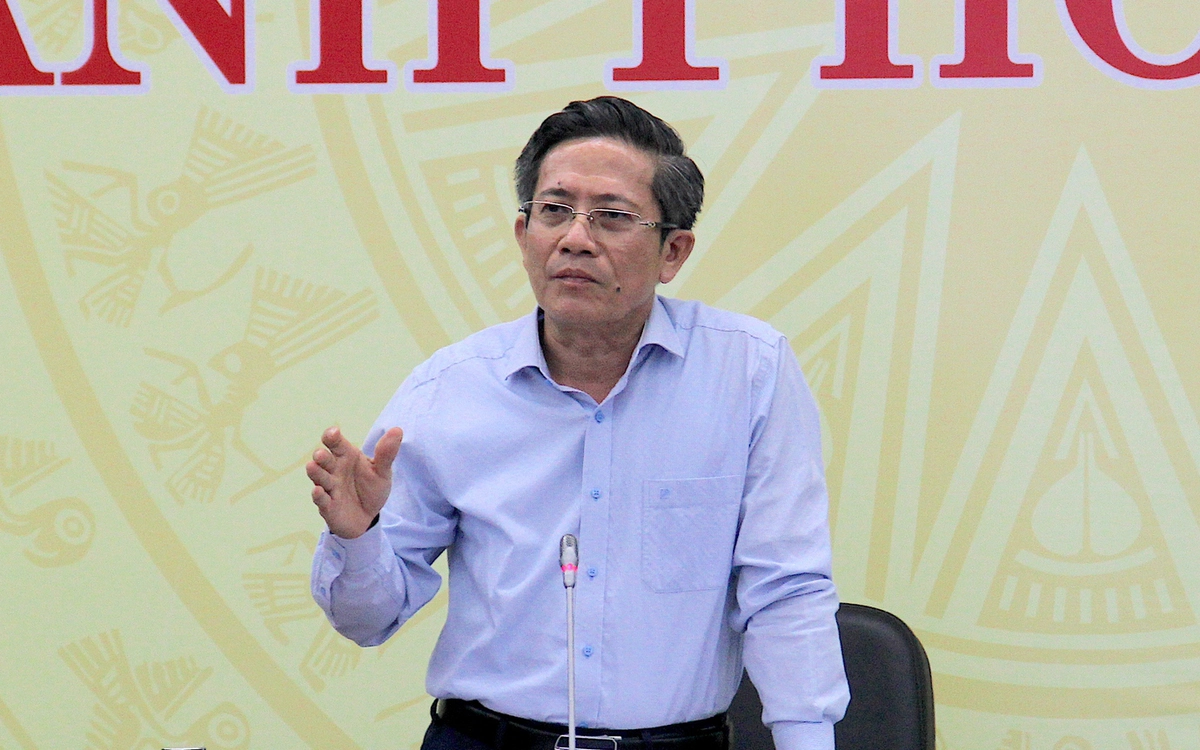
According to Tran Trong Tuyen, Deputy Director of the Ho Chi Minh City Department of Science and Technology, the city is entering a new development phase. This involves implementing strategic economic development plans based on science, technology, innovation, and digital transformation, while leveraging the private sector.
The capital source remains the key factor.
"The capital source remains the key factor," Tuyen stated at the Venture Forum 2026. He emphasized the need to encourage venture capital, growth investment, and mergers and acquisitions (M&A), particularly in strategic sectors like digital technology, artificial intelligence, and semiconductors.
Le Han Tue Lam, CEO of VinVentures (Vingroup), noted that Vietnam's M&A market is at an inflection point with positive financial signals. Notably, 2026 is the first year the market anticipates a convergence of three major supply sources: state-owned enterprise divestments (estimated over $2 billion), private equity fund divestments (around $3.5 billion), and the M&A cycle itself.
The capital source remains the key factor.
DistantNews Editorial
Originally published by Tuổi Trẻ in Vietnamese. Translated, summarized, and contextualized by our editorial team with added local perspective. Read our editorial standards.
More Stories

From Our Blog

What Gets Lost (and Found) When News Is Translated

The Critical Role of Diaspora Media in Global News

What Travellers Should Know About Countries with Restricted Press

A Digital Nomad's Guide to Following Local News

How the Same Story Looks Different in Different Countries
