

Ho Chi Minh City Aims for 100 Years of Rapid, Sustainable Development
Translated from Vietnamese, summarized and contextualized by DistantNews.
At a glance
News
Sources not specified
Context piece
- Ho Chi Minh City's People's Council Chairman Vo Van Minh spoke at a conference on the city's 100-year development plan.
- The conference aimed to gather expert input for the city's comprehensive master plan, aligning with national resolutions.
- Minh outlined key strategic directions, including economic pillars, urban spatial structure, infrastructure, and environmental resilience.
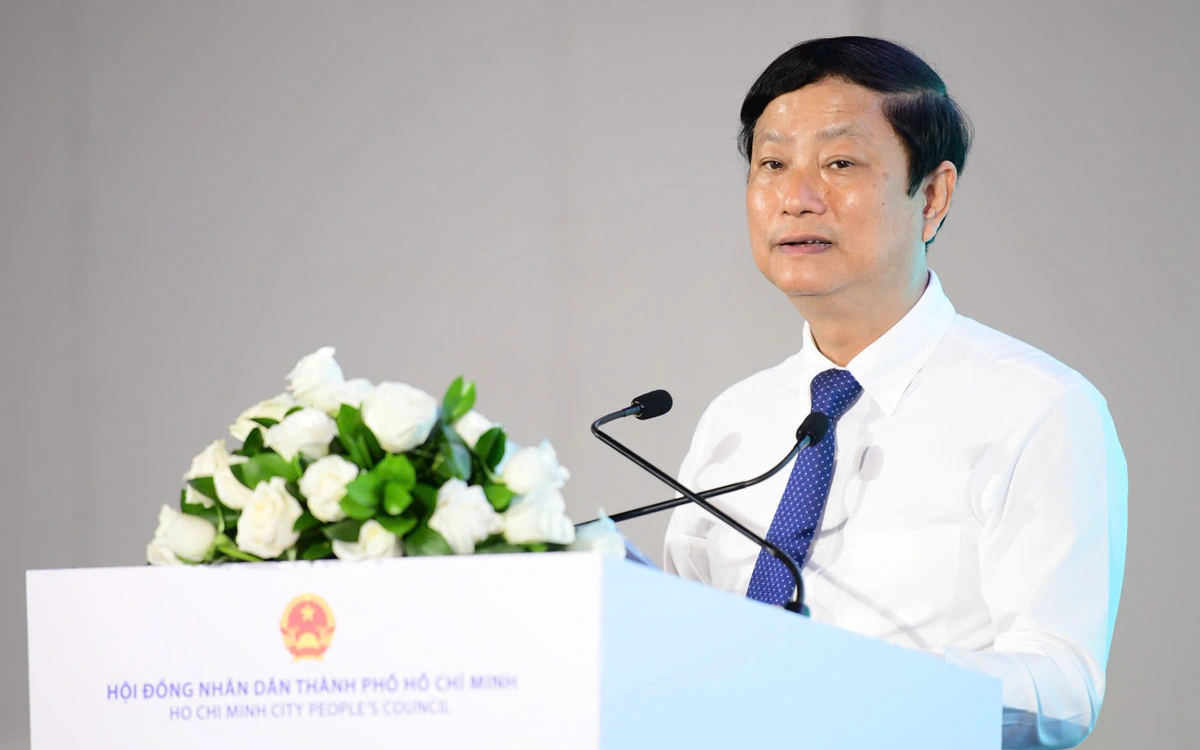
Vo Van Minh, a Central Committee member and Chairman of the Ho Chi Minh City People's Council, has articulated a vision for the city's sustainable development over the next century. Speaking at a conference on the city's comprehensive master plan, Minh emphasized the goal of rapid and sustainable growth for Ho Chi Minh City over the next 100 years.
The conference, held on June 2, brought together hundreds of experts, scientists, managers, and business community representatives. Organized by the Standing Committee of the City People's Council in collaboration with the Ho Chi Minh City Institute for Development Studies, the Department of Planning and Architecture, and the Department of Finance, the event served as a crucial forum for refining the master plan. This initiative aligns with National Assembly Resolution No. 260/2025 and Politburo Resolution No. 09-NQ/TW, which guide the city's development in the new era.
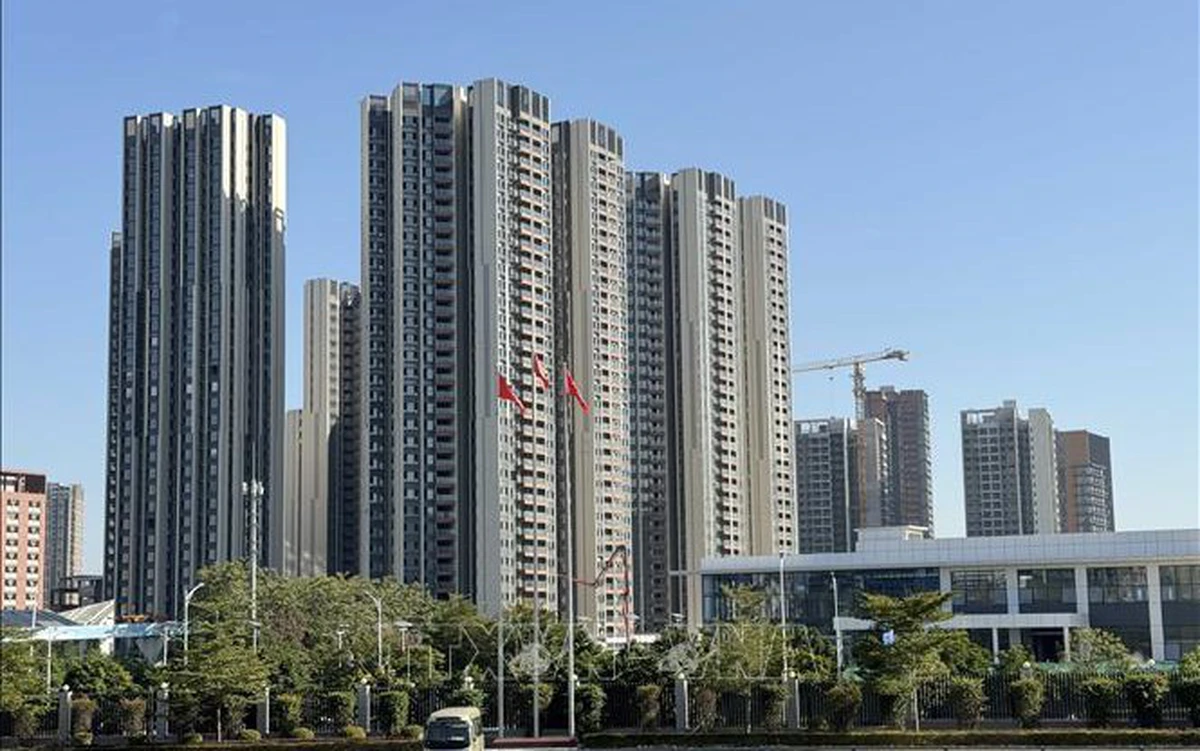
Minh highlighted Ho Chi Minh City's significant scale post-unification, with an area exceeding 6,700 square kilometers and a population of over 14 million, making it a leading megacity in Southeast Asia. The city plays a pivotal role as Vietnam's economic engine, contributing over 23% of the national GDP and more than 30% of state budget revenue. Therefore, he stressed, the comprehensive master plan holds strategic importance for shaping an integrated and synchronized development model across space, infrastructure, and socio-economics.
The chairman proposed that the conference focus on four key areas: the socio-economic development strategy, defining the city's strategic position in global value chains with five breakthrough economic pillars (high-tech industry, logistics, international finance, tourism and cultural industries, and education/health/science-technology); the urban spatial structure based on a multi-polar, integrated, and sustainable megacity model; the development of synchronized and modern technical infrastructure, enhancing regional connectivity; and resource management, environmental protection, and climate change adaptation, promoting green development and circular economy principles.
Đó là một trong những mục tiêu được ông Võ Văn Minh, Ủy viên Trung ương Đảng, Phó bí thư Thành ủy, Chủ tịch HĐND TP.HCM, gửi gắm tại hội thảo Quy hoạch tổng thể TP.HCM - tầm nhìn 100 năm sáng 2-6.
DistantNews Editorial
Originally published by Tuổi Trẻ in Vietnamese. Translated, summarized, and contextualized by our editorial team with added local perspective. Read our editorial standards.
More Stories
From Our Blog

What Gets Lost (and Found) When News Is Translated

The Critical Role of Diaspora Media in Global News

What Travellers Should Know About Countries with Restricted Press

A Digital Nomad's Guide to Following Local News

How the Same Story Looks Different in Different Countries
