


Ho Chi Minh City expands specialized healthcare using surplus buildings
Translated from Vietnamese and summarized by DistantNews. Read the original for the full story.
At a glance
News
Named sources
New plan
- Ho Chi Minh City is repurposing unused government buildings to create specialized healthcare centers.
- The city aims to reduce the strain on major hospitals and enhance the quality of medical services.
- This initiative is part of a broader effort to develop a multi-center, multi-level healthcare system focused on citizen well-being.
Ho Chi Minh City is actively transforming its healthcare landscape by repurposing surplus administrative buildings into specialized medical centers. This strategic move aims to alleviate pressure on the city's top-tier hospitals and elevate the overall quality of patient care, with a strong emphasis on citizen-centric services.
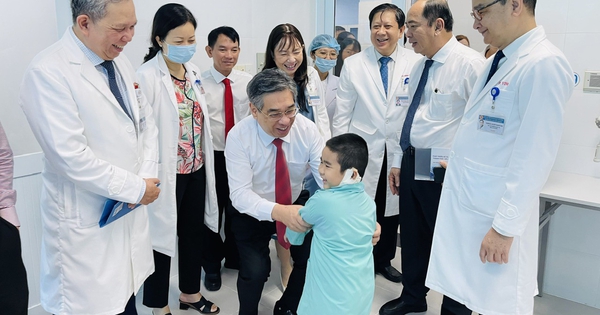
A recent milestone was the inauguration of a new facility for the Ho Chi Minh City Ear, Nose, and Throat Hospital. This new wing, located at the former Nhiêu Lộc Area Medical Center (formerly District 3 Medical Center), signifies the city's commitment to developing specialized medical hubs. The initiative is part of a broader plan to establish a multi-center, multi-level healthcare network that seamlessly integrates specialized care with primary healthcare services.
The city wants to perfect the model of specialized medical centers, orienting development towards multiple centers, multiple levels, and multiple poles; at the same time, connecting specialized healthcare with grassroots healthcare into a unified and comprehensive whole.
Nguyen Phuoc Loc, a member of the Central Party Committee and Deputy Secretary of the Ho Chi Minh City Party Committee, highlighted the city's determination to implement this model. He noted that repurposing these surplus facilities is a key part of the city's efforts to optimize its administrative structure and improve local governance. The city prioritizes using these acquired spaces for public services, particularly in healthcare and education.
The new facility needs to be exploited effectively to reduce the pressure on specialized and tertiary care units of Ho Chi Minh City; at the same time, improve the capacity and working conditions of medical staff, linked with the effectiveness of protecting and caring for people's health.
Loc urged the hospital to maximize the new facility's potential to reduce the burden on specialized and tertiary care units. He also stressed the importance of recruiting and training high-caliber staff to meet evolving healthcare demands. Furthermore, he emphasized the need to create a welcoming and healing environment within the hospital, promoting a "green and clean hospital" concept beyond mere slogans.
The new facility at the Ear, Nose, and Throat Hospital is substantial, spanning over 1,500 square meters with a 14-story building and two basement levels, offering more than 200 beds. This expansion is crucial as the hospital has seen a significant increase in patient numbers, straining its resources and infrastructure.
The biggest goal is to take the people as the center, as the subject and the goal for deciding all solutions for service. The highest enjoyment of healthcare is also one of the important indicators to evaluate a livable city.
About this summary
Originally published by Thanh Niên in Vietnamese. Translated, summarized, and contextualized automatically by DistantNews, with a note on how the source frames the story. Not individually reviewed before publishing. How this works.
More Stories
From Our Blog

What Gets Lost (and Found) When News Is Translated

The Critical Role of Diaspora Media in Global News

What Travellers Should Know About Countries with Restricted Press

A Digital Nomad's Guide to Following Local News

How the Same Story Looks Different in Different Countries
