


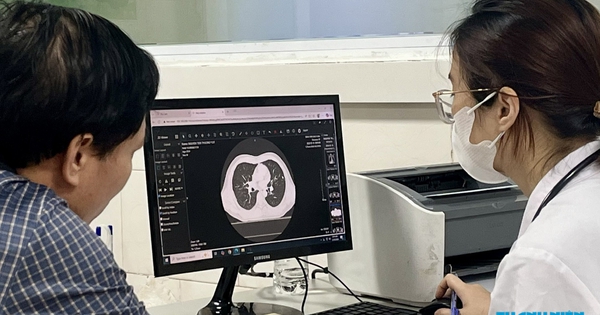
Vietnam proposes linking 441 lab tests, imaging results in healthcare
Translated from Vietnamese and summarized by DistantNews. Read the original for the full story.
At a glance
News
Sources not specified
New plan
- Vietnam's Ministry of Health proposes linking 441 lab tests and diagnostic imaging results to streamline healthcare.
- The draft circular specifies acceptable timeframes for linked results, varying by test type.
- Experts suggest adjustments for certain tests like immunology and common blood tests to ensure patient safety and reduce costs.
Vietnam's Ministry of Health is considering a significant expansion of interconnected laboratory and diagnostic services. A new draft circular proposes linking 441 different tests, including biochemical analyses, hematology, blood transfusions, microbiology, parasitology, and radiology.
The proposal extends to diagnostic imaging, aiming to link results from X-rays, CT scans, ultrasounds, and MRIs. This would encompass not only the image data itself but also the radiologist's conclusions, covering 367 distinct techniques. The draft circular outlines specific timeframes for the validity of linked results, tailored to different categories of tests.
For instance, microbiology and parasitology tests would have a linked result validity of 48 hours to 30 days, specifically for positive results. Hematology and blood transfusion tests would be valid for 24 hours to 7 days, while biochemical tests would range from 24 hours to 60 days. The validity period for lab tests is calculated from the sample collection time, and for imaging, from the time the procedure was performed.
Specialists have provided feedback, emphasizing patient safety. They suggest a maximum validity of 5 days for immunology tests, provided the patient's clinical condition remains unchanged. Additionally, they recommended including common tests like blood glucose and electrolyte panels (Na/K/Cl) in the linked system, as these are crucial for emergency care and repeating them incurs unnecessary costs and inconvenience for patients.
Further expert input suggests extending the acceptable linked time for certain tests like urea, creatinine, and glucose for stable outpatient cases, beyond the draft's proposed one-day limit. Similarly, for lipid tests (cholesterol, HDL-C, LDL-C, triglycerides), a longer validity period is proposed for patients with stable lipid disorder treatment, compared to the draft's 7-day maximum. The drafting committee is also considering clearer quality standards for laboratories and stricter data privacy regulations.
About this summary
Originally published by Thanh Niên in Vietnamese. Translated, summarized, and contextualized automatically by DistantNews, with a note on how the source frames the story. Not individually reviewed before publishing. How this works.
More Stories

From Our Blog

What Gets Lost (and Found) When News Is Translated

The Critical Role of Diaspora Media in Global News

What Travellers Should Know About Countries with Restricted Press

A Digital Nomad's Guide to Following Local News

How the Same Story Looks Different in Different Countries
