

Ho Chi Minh City plans 100-year vision for equitable access to housing, education, healthcare
Translated from Vietnamese, summarized and contextualized by DistantNews.
At a glance
News
Named sources
Context piece
- Ho Chi Minh City plans a 100-year development strategy focusing on equitable access to housing, education, and healthcare for all citizens.
- The plan aims to address current issues like urban congestion, flooding, pollution, and unequal access to services by developing new, self-sufficient urban centers.
- Key strategies include multi-layered social infrastructure, demographic adaptation, and ensuring fair access to urban welfare and services.
Ho Chi Minh City is charting a course for the next century with a comprehensive development plan designed to ensure all residents have equitable access to housing, education, and healthcare. The strategy, presented at a seminar on June 2, aims to transform the city into a unified, multi-polar hub that operates efficiently.
Currently, the city grapples with uneven quality of life, largely due to an over-concentration of development in the central core. Decades of rapid growth have exacerbated issues such as traffic congestion, flooding, pollution, insufficient green spaces, unaffordable housing, and overburdened medical and educational facilities. Experts warn that without a restructured development model, these problems could worsen, especially after administrative mergers.
The biggest challenge for Ho Chi Minh City lies not in a lack of development potential, but in the ability to reorganize development resources and space into a unified, multi-polar structure that operates effectively.
The proposed solution involves establishing new development poles that will create jobs, housing, schools, hospitals, and cultural and sports facilities. This decentralization aims to reduce the need for residents to travel to the city center for essential services. Social infrastructure will be organized around "living basins" and accessible radii, tailored to population size and local labor characteristics.
Fair access and urban welfare must be concretized by accessible service radii, travel costs, housing quality, and access to healthcare, education, public spaces, and digital infrastructure.
To achieve this, the plan emphasizes a multi-layered social infrastructure that adapts to demographic changes, workforce needs, and livelihood requirements, ensuring equitable access. This includes developing grassroots healthcare, specialized hospitals, schools, universities, vocational training centers, cultural and sports venues, and social housing. The plan also addresses the needs of a growing and aging population, including migrant workers and young families, by providing affordable housing options and elder-friendly services.
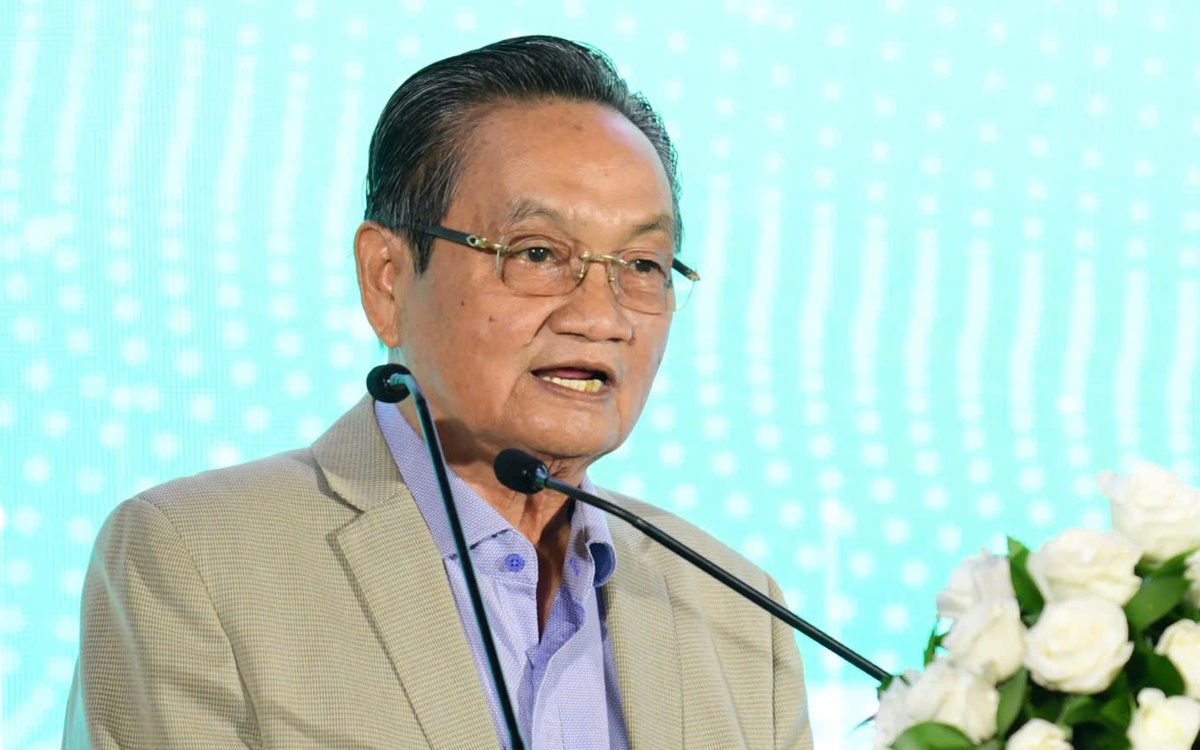
"Fair access and urban welfare must be concretized by accessible service radii, travel costs, housing quality, and access to healthcare, education, public spaces, and digital infrastructure," the report states. Dr. Tran Du Lich, former deputy head of the Ho Chi Minh City National Assembly delegation, stressed that modern urban planning must answer not only what to build but also the city's future role within the global network of cities.
Modern urban planning must answer not only what Ho Chi Minh City will build, but also, more importantly, what role Ho Chi Minh City will play in the network of global cities in the next 25, 50, and 100 years.
DistantNews Editorial
Originally published by Tuổi Trẻ in Vietnamese. Translated, summarized, and contextualized by our editorial team with added local perspective. Read our editorial standards.
More Stories

From Our Blog

What Gets Lost (and Found) When News Is Translated

The Critical Role of Diaspora Media in Global News

What Travellers Should Know About Countries with Restricted Press

A Digital Nomad's Guide to Following Local News

How the Same Story Looks Different in Different Countries
