

Ho Chi Minh City plans 100-year vision for global, green metropolis
Translated from Vietnamese, summarized and contextualized by DistantNews.
At a glance
News
Sources not specified
New plan
- Ho Chi Minh City is planning a 100-year development strategy to become a green, modern global metropolis.
- The plan integrates economic and urban development, aiming to address issues like traffic, flooding, and social housing.
- Key goals include becoming a leading Southeast Asian city by 2030, an Asian economic hub by 2045, and a global city by 2075.
Ho Chi Minh City is embarking on an ambitious 100-year development plan aimed at transforming it into a green, modern global metropolis. The comprehensive strategy seeks to enhance the quality of life for its residents by tackling pressing urban challenges such as traffic congestion, flooding, and the need for social housing, while also addressing issues like planned development zones.
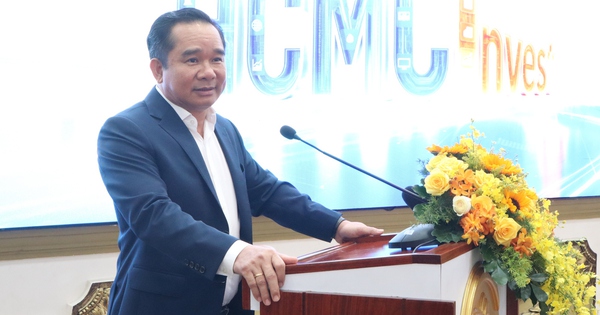
The city's Urban Development Committee Chairman, Hoang Tung, highlighted that the proposed merger of Ho Chi Minh City with Binh Duong and Ba Ria-Vung Tau provinces would create a vast new development space. This expanded region, covering over 6,772 square kilometers and housing more than 14 million people, is envisioned to leverage combined strengths in finance, industry, marine economy, and innovation. This integration is expected to forge a new growth engine for the southeastern region and the entire country.
The merger of Ho Chi Minh City with Binh Duong and Ba Ria - Vung Tau opens up a new development space with an area of over 6,772 km², a population of over 14 million people.
Under the plan, Ho Chi Minh City is set to adopt a "one center, three regions, one special zone" model. The city aims to achieve prominent status in Southeast Asia by 2030, emerge as Asia's economic, financial, and innovation hub by 2045, and finally become a globally recognized green and modern city by 2075.
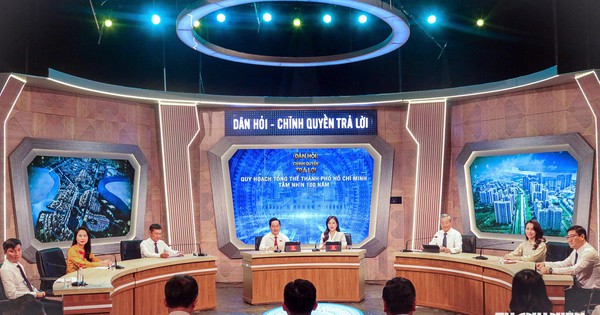
During a public forum, citizens voiced concerns about the new 100-year plan, seeking clarity on its new aspects and how it balances development goals with residents' rights. Questions also focused on managing stalled projects, improving transportation and flood control, expanding social housing, and enhancing healthcare and education infrastructure. Officials emphasized that the plan integrates economic and urban development, aiming for unified direction and reduced project delays. They assured that long-term goals would be broken down into phased investments, respecting available resources and practical conditions, thereby protecting citizens' rights in designated development areas.
This is not just an expansion of administrative boundaries but also creates conditions to connect strengths in finance, industry, marine economy, and innovation ecosystem, thereby forming a new growth engine for the Southeast region and the whole country.
DistantNews Editorial
Originally published by Thanh Niên in Vietnamese. Translated, summarized, and contextualized by our editorial team with added local perspective. Read our editorial standards.
More Stories
From Our Blog

What Gets Lost (and Found) When News Is Translated

The Critical Role of Diaspora Media in Global News

What Travellers Should Know About Countries with Restricted Press

A Digital Nomad's Guide to Following Local News

How the Same Story Looks Different in Different Countries
