

Ho Chi Minh City's Water Security Threatened by Urbanization and Climate Change
Translated from Vietnamese, summarized and contextualized by DistantNews.
At a glance
News
Named sources
Context piece
- Ho Chi Minh City faces severe urban ecological crises due to flooding, land subsidence, and climate change, exacerbated by rapid urbanization and over-extraction of groundwater.
- Experts urge prioritizing water security and natural ecosystems in urban planning, advocating for the protection of river and coastal corridors and investing in water storage and reuse infrastructure.
- The city aims to become a livable metropolis by integrating water management into all planning decisions, ensuring sufficient water resources for its projected population growth.
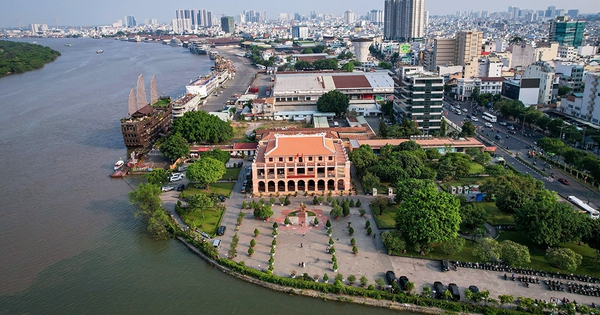
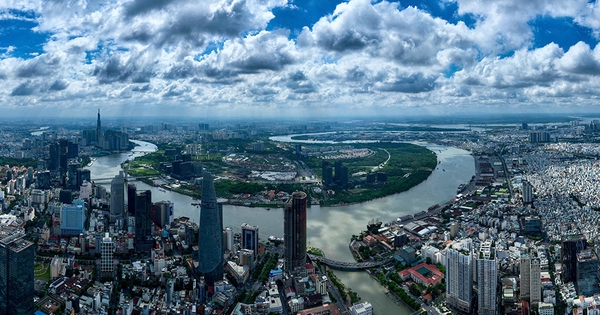
Ho Chi Minh City, a coastal metropolis crisscrossed by rivers, is grappling with a deepening urban ecological crisis. Experts warn that rapid urbanization has decimated natural wetlands and excessive groundwater extraction is causing the land to subside by approximately 8 mm annually, while rising river levels compound the flood risk. These factors, amplified by climate change, threaten the city's water security.
As the city anticipates a population surge to 20-30 million by 2050, the challenge of managing rising sea levels and flood risks becomes paramount. "The most important question is whether the city will have enough water to meet its development needs," stated GS-TS Nguyễn Văn Phước, Chairman of the Ho Chi Minh City Union of Science and Technology Associations. He emphasized that water is fundamental to all socio-economic activities, and exceeding the water resource's carrying capacity could lead to shortages, land subsidence, and extreme droughts.
The most important question is whether the city will have enough water to meet its development needs.
Currently, Ho Chi Minh City relies on the Saigon and Dong Nai rivers, along with reservoirs like Dau Tieng, Tri An, and Phuoc Hoa. However, these sources are increasingly vulnerable to upstream impacts, climate change, pollution, and ecological imbalances. Projections indicate these issues will intensify by 2050, directly jeopardizing the region's water security.
To counter these threats, experts like GS-TS Nguyễn Văn Phước advocate for a paradigm shift in development strategy, placing water resources at the core of all planning decisions. Instead of prioritizing urban development, transportation, or industry, the focus should be on ensuring water security and ecosystem health first. This includes preserving natural flood discharge paths, maintaining low-lying areas and natural water retention spaces, and protecting strategic green corridors along rivers and coastlines. Strict protective measures are needed to prevent industrial zones or hazardous chemical storage near water sources, alongside investments in raw water storage and water reuse to adapt to future hydrological changes.
Water is the decisive factor for all socio-economic activities, so if urban planning exceeds the carrying capacity of water resources, the city will face a series of consequences such as water shortage, geological subsidence, and extreme drought.
DistantNews Editorial
Originally published by Thanh Niên in Vietnamese. Translated, summarized, and contextualized by our editorial team with added local perspective. Read our editorial standards.
More Stories

From Our Blog

What Gets Lost (and Found) When News Is Translated

The Critical Role of Diaspora Media in Global News

What Travellers Should Know About Countries with Restricted Press

A Digital Nomad's Guide to Following Local News

How the Same Story Looks Different in Different Countries
