


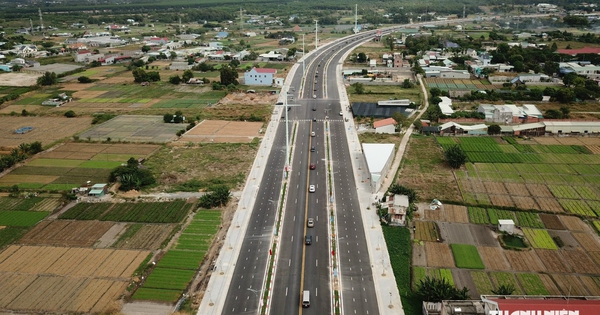
Ho Chi Minh City sets minimum land plot sizes for subdivision
Translated from Vietnamese and summarized by DistantNews. Read the original for the full story.
At a glance
News
Sources not specified
Approved/passed
- Ho Chi Minh City has issued Decision 67, outlining regulations for subdividing and consolidating land plots.
- The decision specifies minimum land area requirements, which vary based on five different zones within the city.
- Minimum plot sizes range from 36 square meters in Zone 1 to 100 square meters in Zone 5, with specific width and depth requirements also stipulated.
Ho Chi Minh City's People's Committee has introduced new regulations governing land subdivision, aiming to standardize the process and ensure minimum plot sizes across various urban and peri-urban areas.
Decision 67, signed by the committee, categorizes the city into five zones, each with distinct requirements for land subdivision. These regulations dictate the minimum area for newly formed plots and any remaining land after subdivision, as well as minimum dimensions for width and depth.
In Zone 1, which includes several central districts, the minimum land area for a subdivided plot is set at 36 square meters, with a minimum width and depth of 3 meters. This zone encompasses areas like Saigon, Tan Dinh, and Ben Thanh.
As the zones move outwards, the minimum plot sizes increase. Zone 2 requires a minimum of 50 square meters, Zone 3 requires 60 square meters, Zone 4 requires 80 square meters, and Zone 5 mandates a minimum of 100 square meters. Correspondingly, the minimum width and depth requirements also increase, reaching 5 meters in Zones 4 and 5.
The regulations also address agricultural land, setting minimums of 500 square meters for annual crop and other agricultural land, and 1,000 square meters for perennial crops, aquaculture, and salt production land. The Department of Agriculture and Rural Development is tasked with overseeing compliance.
About this summary
Originally published by Thanh Niên in Vietnamese. Translated, summarized, and contextualized automatically by DistantNews, with a note on how the source frames the story. Not individually reviewed before publishing. How this works.
More Stories


From Our Blog

What Gets Lost (and Found) When News Is Translated

The Critical Role of Diaspora Media in Global News

What Travellers Should Know About Countries with Restricted Press

A Digital Nomad's Guide to Following Local News

How the Same Story Looks Different in Different Countries
