


Ho Chi Minh City turns construction debris into green products
Translated from Vietnamese, summarized and contextualized by DistantNews.
At a glance
News
Sources not specified
Context piece
- Ho Chi Minh City is developing a plan to recycle construction waste into valuable resources.
- The plan aims to assess current waste management practices and adopt advanced recycling models.
- It includes incentives for businesses to invest in recycling and promote the use of recycled materials in public projects.
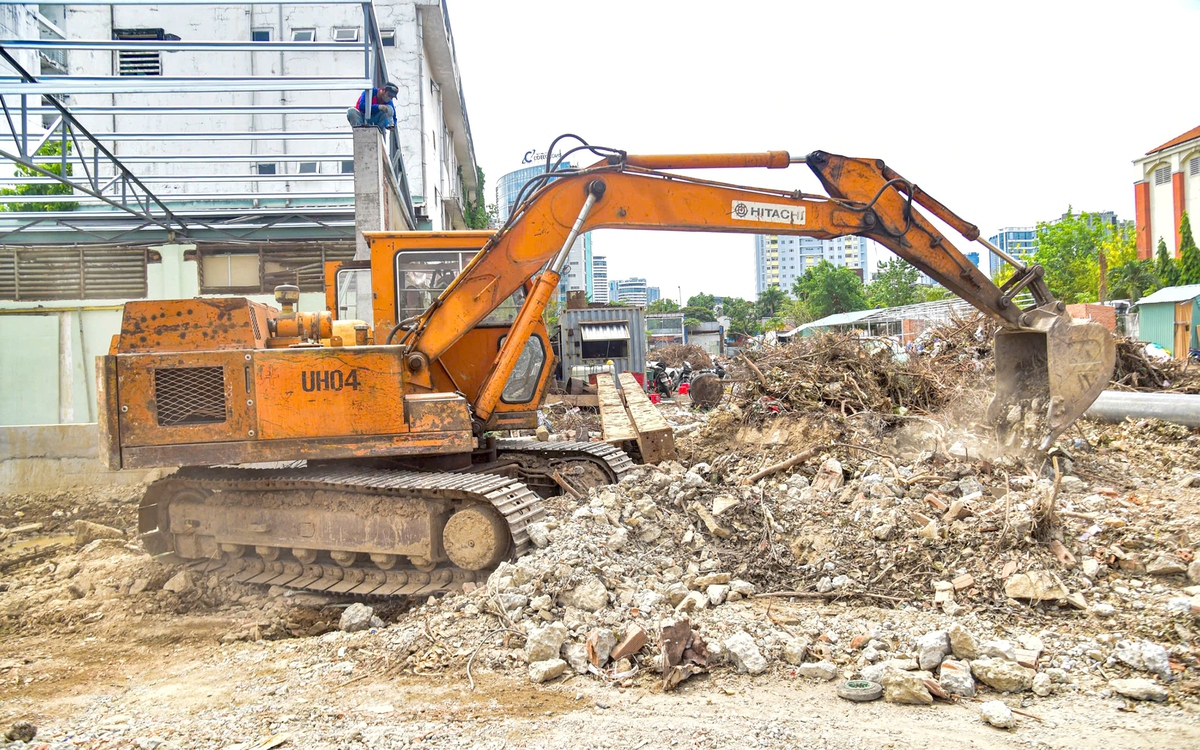
Ho Chi Minh City is tackling its mounting construction waste problem by transforming debris into valuable resources. The city plans a comprehensive review of how it collects, transports, and processes construction waste. It will also explore advanced recycling models suited to local conditions.
Instead of expanding landfills, we need to find effective recycling and reuse solutions to bring these materials back to serve urban development. This is also the core direction of the project that the People's Committee of Ho Chi Minh City has assigned SACA to research and build.
Central to the initiative is creating incentives for businesses to invest in recycling operations. The city aims to boost the use of recycled materials, particularly in public infrastructure projects. This strategic shift is driven by the recognition that construction waste, often seen as a burden, is actually a significant source of secondary resources.
Each day, the city generates tens of thousands of tons of construction waste. Traditionally viewed as an environmental challenge, this waste is now being reframed as a valuable asset within a circular economy. The goal is to move away from landfilling and toward effective recycling and reuse, integrating these materials back into urban development.
Construction waste causes overload pressure on centralized landfills and leads to the problem of illegal dumping in canals and outskirts. Meanwhile, this type of waste can be recycled by over 90%, completely becoming green and clean products as well as a local supply source to replace gradually depleted natural sand and stone.
Experts highlight that over 90% of construction waste can be recycled, offering a sustainable alternative to dwindling natural sand and stone resources. While Vietnam possesses the technology for mechanized crushing and screening, the primary obstacle remains the legal framework. Clear regulations and usage guidelines are needed to encourage the adoption of recycled materials in construction, despite their potential to be superior to traditional ones.
However, to date, no construction unit has used such recycled materials because there are no legal regulations or specific usage guidelines.
DistantNews Editorial
Originally published by Tuổi Trẻ in Vietnamese. Translated, summarized, and contextualized by our editorial team with added local perspective. Read our editorial standards.
More Stories


From Our Blog

What Gets Lost (and Found) When News Is Translated

The Critical Role of Diaspora Media in Global News

What Travellers Should Know About Countries with Restricted Press

A Digital Nomad's Guide to Following Local News

How the Same Story Looks Different in Different Countries
