

Ho Lak, Central Highlands' 'fish basket,' is suffocating
Translated from Vietnamese, summarized and contextualized by DistantNews.
At a glance
News
Named sources
Context piece
- Ho Lak, Vietnam's largest natural freshwater lake in the Central Highlands, is suffering from severe ecological degradation.
- The construction of a low-spill dam about a decade ago disrupted the natural water flow, turning the lake into a stagnant "pond."
- This disruption has led to the disappearance of aquatic plants and a decline in fish populations, threatening the lake's ecosystem.
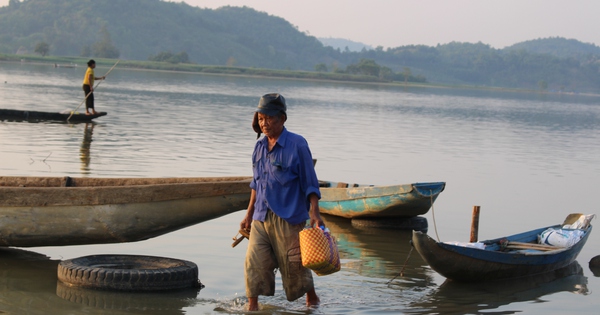
Ho Lak, once a vibrant "fish basket" of Vietnam's Central Highlands, is now facing an ecological crisis, with its waters and life rapidly diminishing. Once teeming with water lilies, lotus, and aquatic plants, the lake's surface is now marked by vast, silent expanses. This dramatic change is not merely superficial; the ecosystem's health is deteriorating due to disruptions in its natural water flow.
Located about 56 km south of Buon Ma Thuot city in Dak Lak province, Ho Lak is the largest natural freshwater lake in the region. Its ecological balance depended on its connection to the Krong Ana River, a flow that acted as its lifeline, supplying oxygen and nutrients while enabling self-purification. However, approximately ten years ago, a low-spill dam was constructed to retain water during the dry season for agricultural use.
While the intention to secure water was understandable, the method severely impacted the lake's natural ecosystem. The dam, with only a small outlet, drastically reduced water circulation, especially during the dry season, transforming the lake into a stagnant body of water. This lack of flow has led to the disappearance of essential aquatic vegetation like water hyacinths, lotus, and submerged plants, which previously covered the lake densely.
Ngày xưa sen, súng, rong dày lắm, phải dùng sào gạt mới đi được. Giờ thì trống trơn
Witnesses recall a time when the water was so thick with vegetation that boats struggled to pass, and some even drowned after getting entangled. The disappearance of these plants has had a cascading effect, destroying fish breeding grounds, reducing plankton, and breaking the food chain. What was once a rich ecosystem has become impoverished in less than a decade, primarily due to human intervention that disrupted its natural self-regulating mechanisms.
Experts and locals alike are concerned about the lake's future. The dam's construction, while mechanically retaining water, failed to consider the vital ecological factors of water quality and flow. This case highlights the dangers of treating a natural lake like a reservoir, inadvertently damaging its long-standing self-regulatory capabilities. Further impacts from resource exploitation are also contributing to the lake's rapid decline.
Rong nhiều đến mức có người rơi xuống nước bị rong quấn chết đuối. Nay thì biến sạch trơn
DistantNews Editorial
Originally published by Thanh Niên in Vietnamese. Translated, summarized, and contextualized by our editorial team with added local perspective. Read our editorial standards.
More Stories

From Our Blog

What Gets Lost (and Found) When News Is Translated

The Critical Role of Diaspora Media in Global News

What Travellers Should Know About Countries with Restricted Press

A Digital Nomad's Guide to Following Local News

How the Same Story Looks Different in Different Countries
