


Holidays in Greece Cost More This Year as Tourism Prices Outpace Inflation
Translated from Polish, summarized and contextualized by DistantNews.
At a glance
News
Named sources
Context piece
- Holidays in Greece are more expensive this year, with tourism prices rising faster than general inflation.
- Prices for hotels and restaurants saw significant increases of 9.5% and 8.5% respectively.
- Travelers can save money by dining away from tourist centers and utilizing public transport instead of taxis.
Planning a holiday in Greece this year comes with a higher price tag, as tourism-related costs are escalating at a pace exceeding general inflation. While Greece remains relatively affordable compared to many other destinations, recent data indicates a notable increase in expenses for travelers.
According to the Greek statistical office, average annual inflation stood at 5.2%. However, specific sectors catering to tourists experienced much sharper price hikes. Hotel and guesthouse prices climbed by 9.5%, while restaurants and catering establishments saw an 8.5% increase. Organized tours also became more expensive, rising by nearly 6%. In contrast, prices for basic food items and non-alcoholic beverages increased more moderately at 3.5%, with sweets and desserts up by 2%.
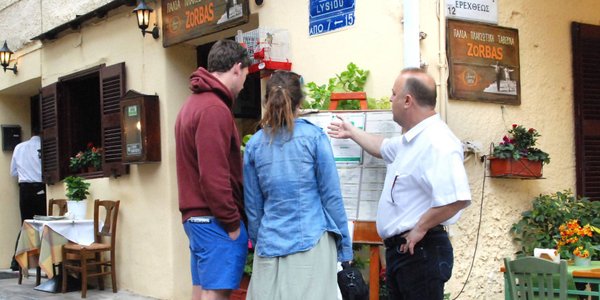
The simplest way to lower bills is to move away from the main promenades and restaurants located right by the sea. It is worth choosing tavernas visited by locals or small establishments located a few streets away. The price differences can be significant, and at the same time, you can often count on more authentic cuisine and better quality dishes.
Dining out, particularly in popular tourist tavernas, reflects these rising costs. A dinner for two, excluding drinks, can now average 215 Polish zlotys (approximately $55 USD), with bills in central Athens often exceeding 260 zlotys ($67 USD). A single seafood dish typically costs between 110–130 zlotys ($28–$33 USD), a pint of beer ranges from 19–22 zlotys ($5–$5.60 USD), and coffee costs 13–22 zlotys ($3.30–$5.60 USD), depending on the establishment's location and type.
Experts suggest strategies for budget-conscious travelers. Moving away from main promenades and beachfront restaurants can lead to significant savings, often revealing more authentic cuisine and better quality at smaller establishments frequented by locals. Making some purchases at local shops and markets for items like breakfast or snacks can also reduce overall trip expenses, as grocery prices rose more slowly than dining costs. Additionally, utilizing public transport instead of taxis, especially in cities like Athens where taxi fares can be considerably higher, offers another avenue for cost reduction. A 90-minute public transport ticket in Athens costs around 5 zlotys ($1.30 USD), a stark contrast to the 24–39 zlotys ($6–$10 USD) for a transfer from the airport to the city center.
In many Greek cities, public transport is well-developed and allows you to conveniently reach most tourist attractions. Using buses, metro, or trams can reduce local transport expenses several times compared to regularly using taxis.
DistantNews Editorial
Originally published by Rzeczpospolita in Polish. Translated, summarized, and contextualized by our editorial team with added local perspective. Read our editorial standards.
More Stories



From Our Blog

What Gets Lost (and Found) When News Is Translated

The Critical Role of Diaspora Media in Global News

What Travellers Should Know About Countries with Restricted Press

A Digital Nomad's Guide to Following Local News

How the Same Story Looks Different in Different Countries
