


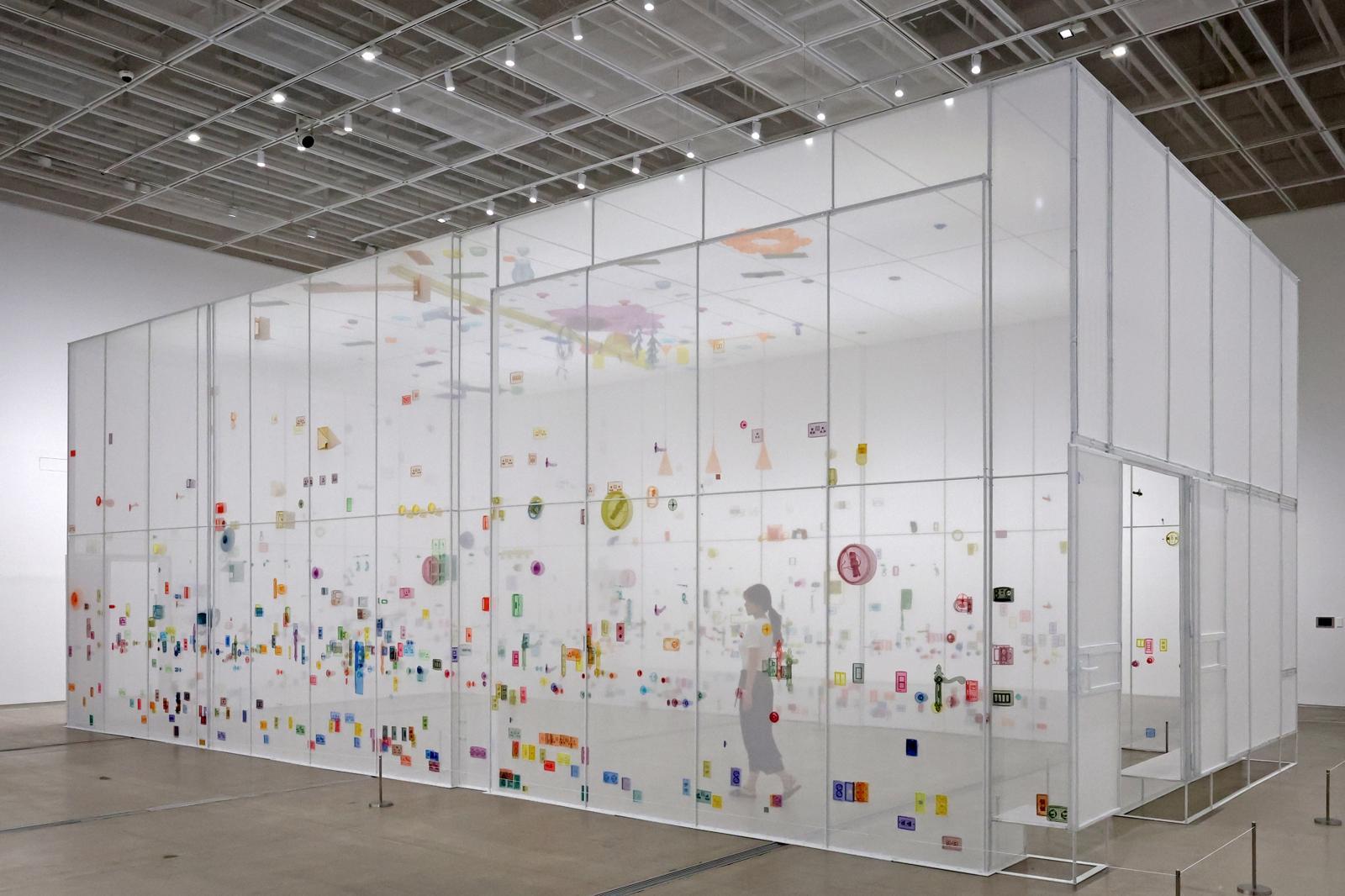
Home built with translucent fabric holds memories: 'A perfect home has no boundaries'
Translated from Korean and summarized by DistantNews. Read the original for the full story.
At a glance
In-depth
Sources not specified
New plan
- Contemporary artist Do Ho Suh views 'home' as a 'skin of memory' that moves with the body, not static real estate.
- His upcoming exhibition at the National Museum of Modern and Contemporary Art in Seoul will feature his fabric homes and 30-year career.
- Suh's work is influenced by his childhood in a traditional Hanok during Seoul's 1970s apartment boom, contrasting with his current creations.
For contemporary artist Do Ho Suh, the concept of 'home' transcends the idea of fixed property. He describes it as a 'skin of memory,' an entity that moves and breathes in tandem with the individual, rather than a static piece of real estate.
For contemporary artist Do Ho Suh, a 'home' is not static real estate but a 'skin of memory' that moves and breathes with the body.
This profound perspective is central to his upcoming exhibition, which opens on October 27th at the National Museum of Modern and Contemporary Art in Seoul. The exhibition will provide a comprehensive look at his artistic journey spanning three decades, prominently featuring his signature fabric-constructed homes. These ethereal structures, often recreated in translucent materials, have been exhibited in museums across the globe, serving as vessels for his personal memories and experiences.
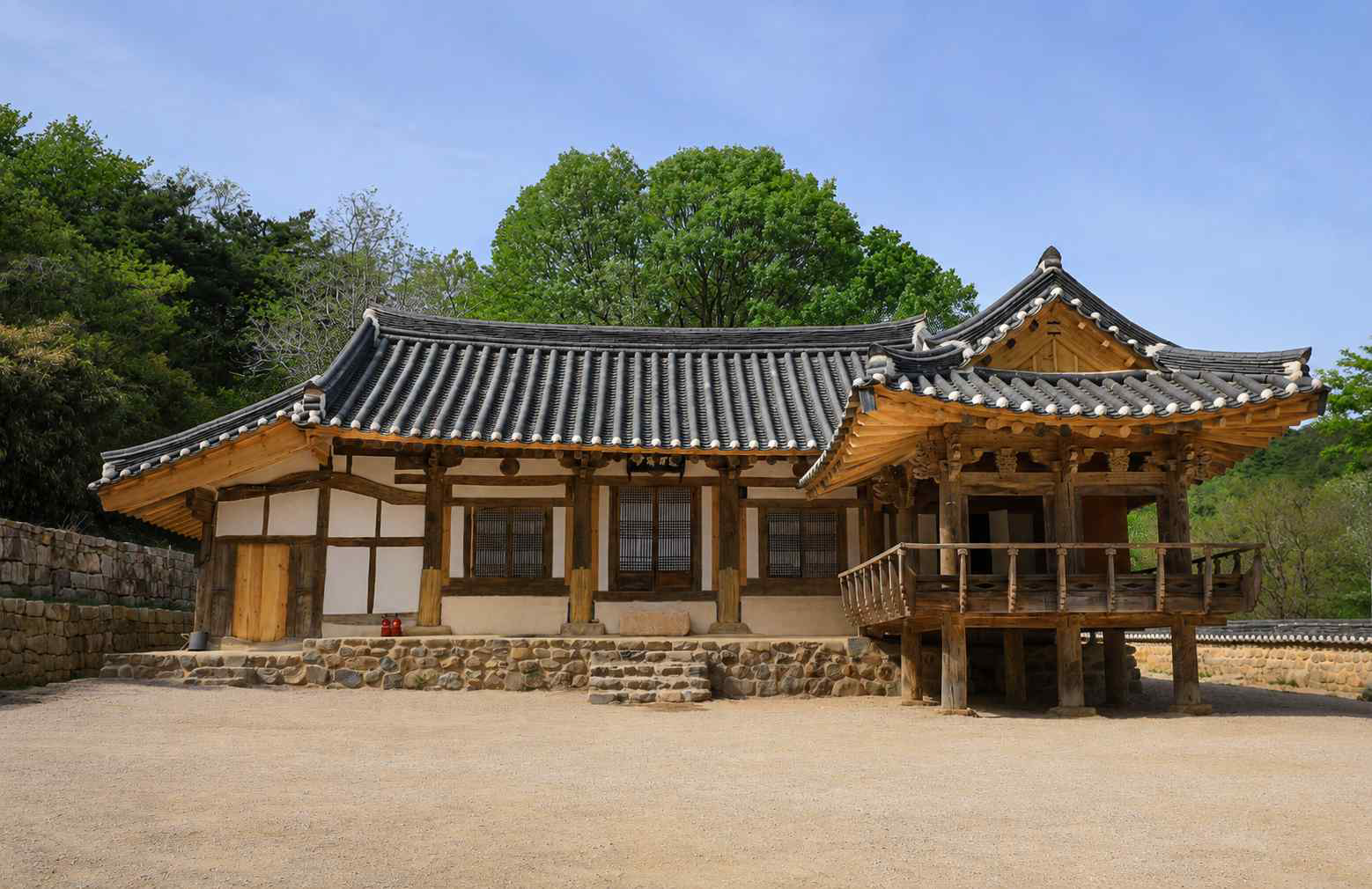
Suh's artistic vision is deeply rooted in his formative years. He spent his childhood in a traditional Korean Hanok, a house meticulously built over six years by his father, Seo Se-ok, a master carpenter. This was during the 1970s, a period when Seoul experienced a significant boom in apartment construction, leading many to embrace modern housing. Suh's upbringing in a traditional Hanok during this era of rapid modernization has clearly shaped his artistic exploration of home, memory, and identity.
I considered calling the exhibition 'Hoehyang' (dedicating one's merits to others) until the very end.
Reflecting on the exhibition, Suh shared his contemplation over its subtitle, considering 'Hoehyang' (a Buddhist concept of dedicating merit to others) until the very end. He expressed a desire to present his work to Korean audiences more thoroughly after a long time. The exhibition invites viewers to explore the intricate relationship between space, memory, and personal history through Suh's unique artistic language, where boundaries between the physical and the remembered blur.
I wanted to show it to Korean audiences properly for a long time.
About this summary
Originally published by Dong-A Ilbo in Korean. Translated, summarized, and contextualized automatically by DistantNews, with a note on how the source frames the story. Not individually reviewed before publishing. How this works.
More Stories

From Our Blog

What Gets Lost (and Found) When News Is Translated

The Critical Role of Diaspora Media in Global News

What Travellers Should Know About Countries with Restricted Press

A Digital Nomad's Guide to Following Local News

How the Same Story Looks Different in Different Countries
