


Homes Must Reclaim Their Voice as Children Navigate the Digital World
Translated from Malay, summarized and contextualized by DistantNews.
At a glance
Analysis
Official statement
Context piece
- Technology's increasing influence is challenging traditional family communication and parental authority, especially for Generation Alpha.
- Children now access information from digital sources, often comparing it with parental guidance, impacting parent-child relationships.
- Parents also contribute to communication gaps by being preoccupied with their own devices, highlighting the need for intentional interaction.
In today's technologically saturated world, a significant shift is occurring within families, altering the dynamics of communication and parental influence. The pervasive presence of technology in children's lives presents new challenges for parents aiming to shape their children's personalities, values, and thought processes. This is evident when parents face frustration as teenagers respond rudely or show indifference, often due to excessive engagement with smartphones.
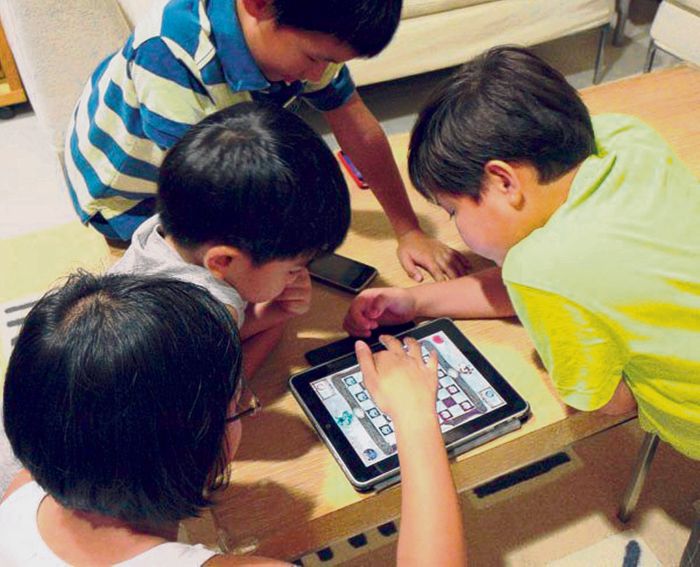
This situation extends beyond mere screen time concerns; it reflects a profound change in how families connect and build relationships. Generation Alpha, born between 2010 and 2024, is growing up entirely immersed in the digital age. Devices like smartphones, tablets, and smartwatches are not just tools but integral parts of their daily existence from a very young age. Unlike previous generations, Generation Alpha receives information not only from parents and teachers but also from the readily available digital world.
Artificial intelligence, search engines, and interactive platforms have become primary sources for these children to find answers and understand the world around them. This digital reliance tests parental authority. In schools, students might cross-reference teacher information with Google or AI, and at home, they may compare parental advice with online findings. However, a balanced perspective is crucial. The communication challenges are not solely child-driven; many parents are equally guilty of being engrossed in their phones, social media, or digital content, thereby reducing interaction time with their children.
According to Albert Bandura's Social Learning Theory, children learn through observing the behavior of those around them, particularly their parents. If children witness parents constantly on screens, engaging in little conversation, displaying irritability, or communicating without empathy, they may internalize such patterns as normal. Conversely, a home environment that values conversation, active listening, and mutual respect will instill these positive values in children.
As digital natives, Generation Alpha possesses distinct ways of thinking and communicating. Reports from the Malaysian Communications and Multimedia Commission (MCMC) indicate a rising internet usage among children, with a significant portion spending considerable time online. This trend underscores the need for families to adapt and find ways to foster meaningful connections amidst the digital landscape.
DistantNews Editorial
Originally published by Utusan Malaysia in Malay. Translated, summarized, and contextualized by our editorial team with added local perspective. Read our editorial standards.
More Stories



From Our Blog

What Gets Lost (and Found) When News Is Translated

The Critical Role of Diaspora Media in Global News

What Travellers Should Know About Countries with Restricted Press

A Digital Nomad's Guide to Following Local News

How the Same Story Looks Different in Different Countries
