


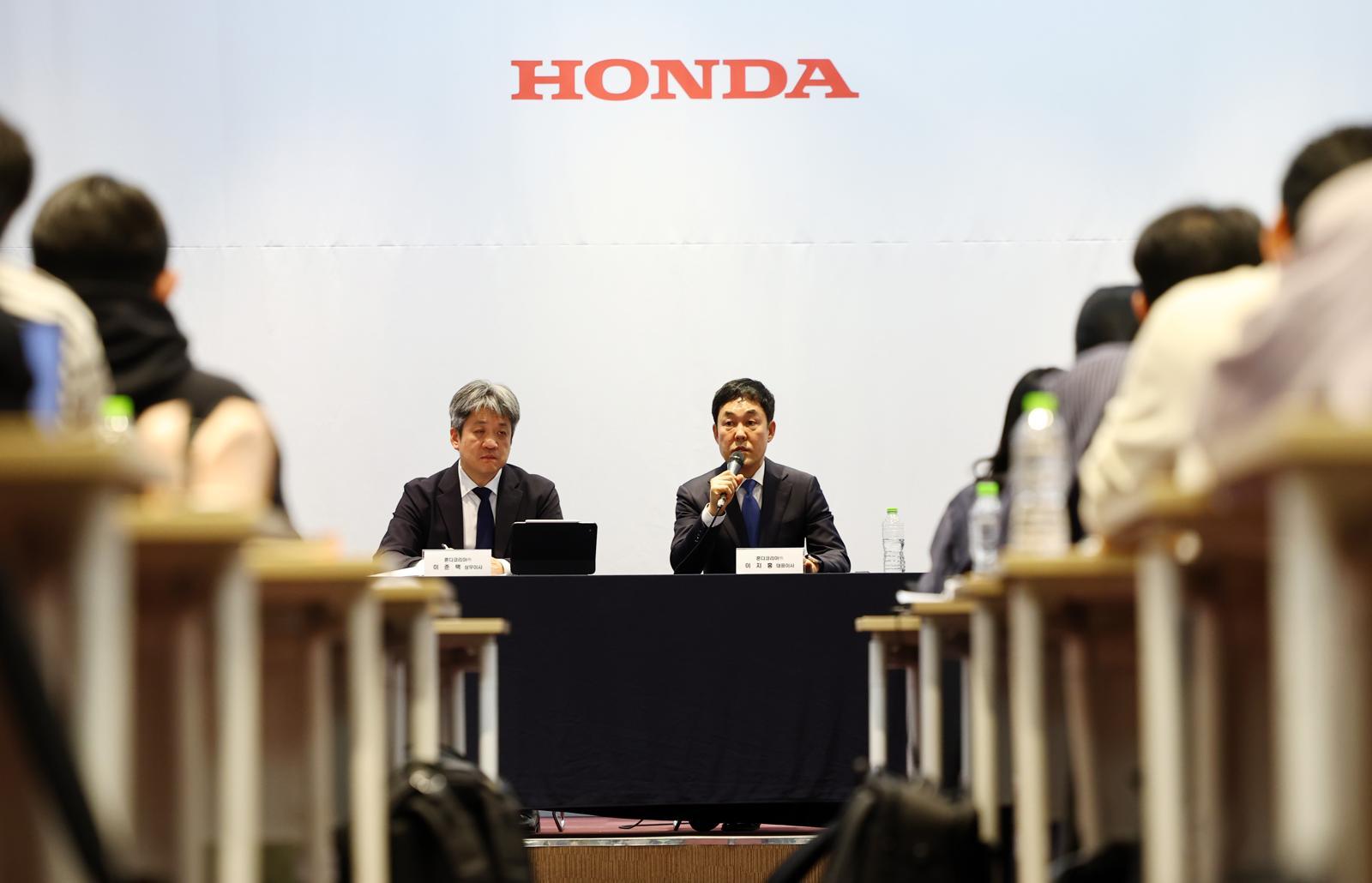
Honda to Exit South Korean Car Market After 23 Years, Cites Business Environment Changes
Translated from Korean, summarized and contextualized by DistantNews.
TLDR
- Honda is withdrawing its car sales business from the South Korean market after 23 years, citing business environment changes and a need for mid-to-long-term competitiveness.
- The decision follows significant declines in sales, with only 211 cars sold last year, and is influenced by the parent company's financial struggles, particularly a failure in its electric vehicle strategy.
- While car sales will cease by the end of the year, Honda will continue its motorcycle sales business in South Korea.
Honda Motor Co. is set to exit the South Korean automotive market, marking the end of its 23-year presence in the country. The Japanese automaker announced its decision to cease car sales operations by the end of 2026, a move attributed to evolving business environments and the need to secure mid-to-long-term competitiveness.
We plan to terminate the car sales business in the Korean market by the end of this year.
This withdrawal comes after a steep decline in sales, with Honda selling a mere 211 cars in South Korea last year, capturing only 0.26% of the market share. This performance pales in comparison to its peak years, where it sold over 10,000 cars annually and held a 4.42% market share in 2017. The company's struggles in Korea are compounded by financial difficulties at its Japanese headquarters, notably a significant setback in its electric vehicle (EV) strategy. Plans for new EV series and collaborations have reportedly been shelved due to factors like the cancellation of U.S. EV subsidies and tariff impacts, leading to substantial financial losses.
We sincerely thank our customers and dealers who have loved Honda cars until now.
Despite the exit from the car market, Honda Korea will maintain its motorcycle sales business, which has been a significant contributor to its revenue in the country. It is estimated that over two-thirds of Honda Korea's revenue last year, amounting to approximately 220 billion won, came from its motorcycle division. This strategic decision allows Honda to retain a presence in the Korean market while focusing resources on more viable business segments.
This is a measure to secure mid-to-long-term competitiveness by comprehensively considering changes in the business environment.
Industry observers suggest that Honda's withdrawal reflects a broader challenge in keeping pace with global automotive trends and adapting to the dynamic Korean market, which is fiercely competitive with strong domestic brands like Hyundai and Kia, alongside growing competition from U.S. EV makers and Chinese brands. The situation echoes the earlier withdrawal of Nissan and Infiniti from the Korean market, highlighting the difficulties Japanese automakers face in this region.
Honda has recently failed to keep up with the global market trends and has not found appropriate countermeasures for market penetration.
DistantNews Editorial
Originally published by Dong-A Ilbo in Korean. Translated, summarized, and contextualized by our editorial team with added local perspective. Read our editorial standards.
More Stories


From Our Blog

What Gets Lost (and Found) When News Is Translated

The Critical Role of Diaspora Media in Global News

What Travellers Should Know About Countries with Restricted Press

A Digital Nomad's Guide to Following Local News

How the Same Story Looks Different in Different Countries
