


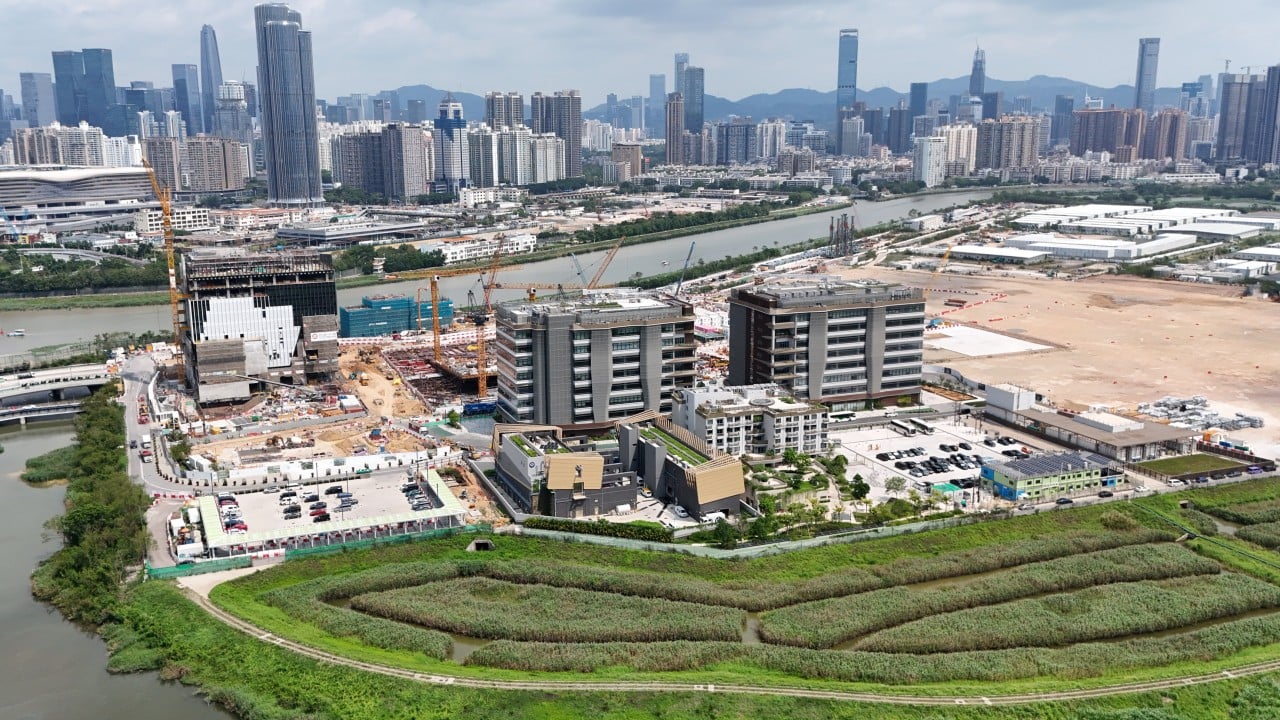
Hong Kong eyes 'Hefei model' for Northern Metropolis push
Translated from English, summarized and contextualized by DistantNews.
At a glance
Analysis
Sources not specified
Context piece
- Hong Kong's Northern Metropolis development may require a new model, potentially adopting China's "Hefei model" of state-capital-led industrial cultivation.
- This model prioritizes strategic hard-tech sectors, tolerates early losses, and builds ecosystems around key enterprises, differing from Shenzhen's market-driven approach.
- Hefei's success with ChangXin Memory Technologies (CXMT), a domestic DRAM producer, exemplifies this strategy.
The arrival of Yuan Gujie, the new deputy director of Beijing's liaison office in Hong Kong, signals a potential push for deeper integration between the city and the Greater Bay Area. Her background in law and experience in Guangdong province suggest an agenda focused on this integration.
Accelerating the development of Hong Kong's Northern Metropolis may necessitate a departure from its existing legal framework and development model. A fundamental overhaul is being considered, with the establishment of a special economic zone emerging as a potential solution. This approach has been instrumental in China's economic growth, notably driving Shenzhen's rapid expansion.
However, Hong Kong's path may differ from Shenzhen's. While Shenzhen thrived on market liberalization, Hong Kong's special economic zone might involve a more assertive government role in shaping industrial strategy and guiding long-term development. This aligns with China's evolving approach to industrial policy.
The "Hefei model" is presented as a prime example of this new strategy. It represents a significant shift from growth driven by land and infrastructure to state-capital-led industrial cultivation. This long-term investment approach prioritizes strategic hard-tech sectors, accepts initial financial setbacks, and fosters entire ecosystems around anchor companies. Hefei's transformation, particularly through the success of ChangXin Memory Technologies (CXMT), China's sole domestic DRAM producer to achieve mass production, highlights the effectiveness of this state-backed industrial strategy.
DistantNews Editorial
Originally published by South China Morning Post in English. Translated, summarized, and contextualized by our editorial team with added local perspective. Read our editorial standards.
More Stories



From Our Blog

Countries Without a Free Press: What You Need to Know

What Press Freedom Means for the News You Read

What Gets Lost (and Found) When News Is Translated

The Critical Role of Diaspora Media in Global News

What Travellers Should Know About Countries with Restricted Press
