

Hope rises to return fallen soldiers to families after nearly 60 years
Translated from Vietnamese, summarized and contextualized by DistantNews.
At a glance
News
Sources not specified
Outcome reported
- Vietnamese authorities are working to identify the remains of soldiers who died nearly 60 years ago.
- DNA testing is being used to identify the remains, with teeth and bone fragments being carefully preserved.
- The effort aims to return the soldiers' identities to their families after decades.
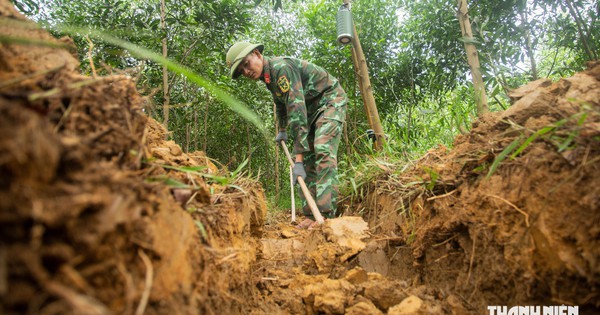
Vietnamese authorities are meticulously working to identify the remains of soldiers who perished nearly 60 years ago, offering a glimmer of hope for families awaiting news. Each tooth and bone fragment is cleaned, coded, and strictly preserved, carrying the potential to finally identify fallen soldiers.
At 82, military doctor Tran Van Ban, a veteran of the war, volunteers his time at the excavation site in Ho Chi Minh City. He witnesses the careful process of uncovering remains, sharing his expertise accumulated over 40 years of searching for comrades. Many of the fallen were only nineteen or twenty when they died, and their remains are often scarce, sometimes consisting of only a few bones or a single tooth.
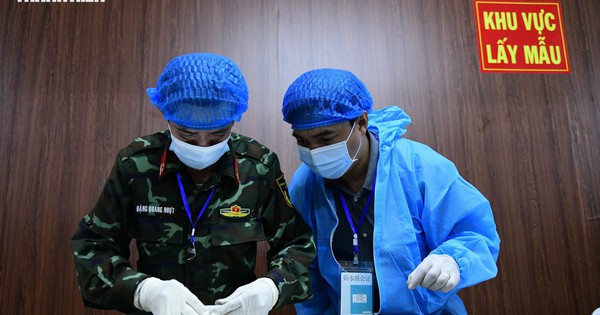
DNA technology now provides a crucial tool for identifying these soldiers. A team of eight specialists, including forensic doctors and military personnel, meticulously collects samples. Lieutenant Colonel Dang Quang Nhut, head of the medical team, explained that teeth, particularly molars with intact roots, are prioritized for DNA extraction. If teeth are unsuitable, the upper part of the femur is selected.
Despite the challenges posed by time and the nature of mass graves, where remains are often intertwined, the team remains hopeful. "The quality of the bones and teeth is generally good, so we are very hopeful that we can re-identify these soldiers," Nhut stated. Even fragmented bones are examined for potential DNA extraction, as a single suitable sample can reunite a family with a long-lost loved one.
The quality of the bones and teeth is generally good, so we are very hopeful that we can re-identify these soldiers
DistantNews Editorial
Originally published by Thanh Niên in Vietnamese. Translated, summarized, and contextualized by our editorial team with added local perspective. Read our editorial standards.
More Stories

From Our Blog

What Gets Lost (and Found) When News Is Translated

The Critical Role of Diaspora Media in Global News

What Travellers Should Know About Countries with Restricted Press

A Digital Nomad's Guide to Following Local News

How the Same Story Looks Different in Different Countries
