


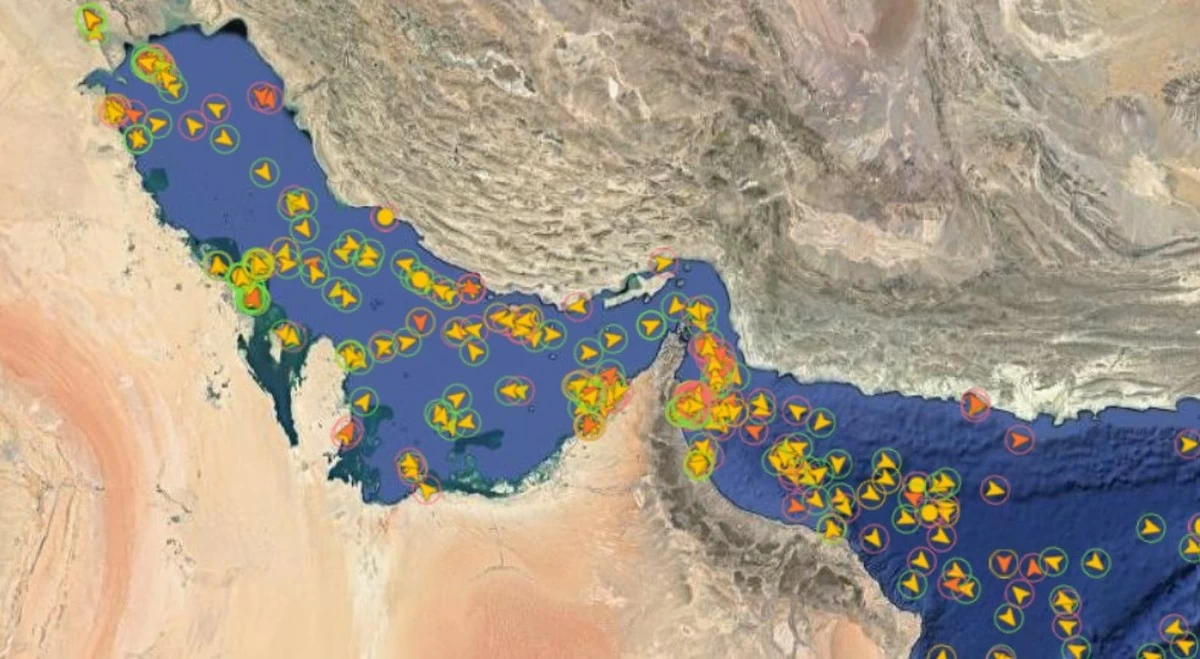
Hormuz Reopening May Not Halt Iran War’s Impact on Global Food Prices, Bloomberg Reports
Summarized and contextualized by DistantNews.
At a glance
News
From a news agency
Context piece
- The reopening of the Strait of Hormuz may not immediately alleviate pressure on global food prices.
- The ongoing Iran war continues to impact global food supply chains.
- Bloomberg reports that the effects of the conflict will likely persist, affecting prices.
The potential reopening of the Strait of Hormuz may offer little immediate relief for escalating global food prices, as the repercussions of the Iran war continue to disrupt supply chains. Bloomberg reports that the conflict's impact is likely to persist, maintaining pressure on the cost of essential food commodities.
While the reopening of this vital shipping lane could theoretically ease logistical bottlenecks, the broader effects of the Iran war on production, transportation, and market stability are expected to outweigh any short-term benefits. This suggests that consumers worldwide may continue to face higher food bills in the near future.
The ongoing conflict has created a complex web of challenges for global food security. Disruptions to agricultural output, increased shipping costs, and heightened geopolitical uncertainty all contribute to the upward pressure on prices. The situation underscores the interconnectedness of global markets and the far-reaching consequences of regional conflicts.
DistantNews Editorial
Originally published by Arab Times. Summarized and contextualized by our editorial team with added local perspective. Read our editorial standards.
More Stories

From Our Blog

What Gets Lost (and Found) When News Is Translated

The Critical Role of Diaspora Media in Global News

What Travellers Should Know About Countries with Restricted Press

A Digital Nomad's Guide to Following Local News

How the Same Story Looks Different in Different Countries
