


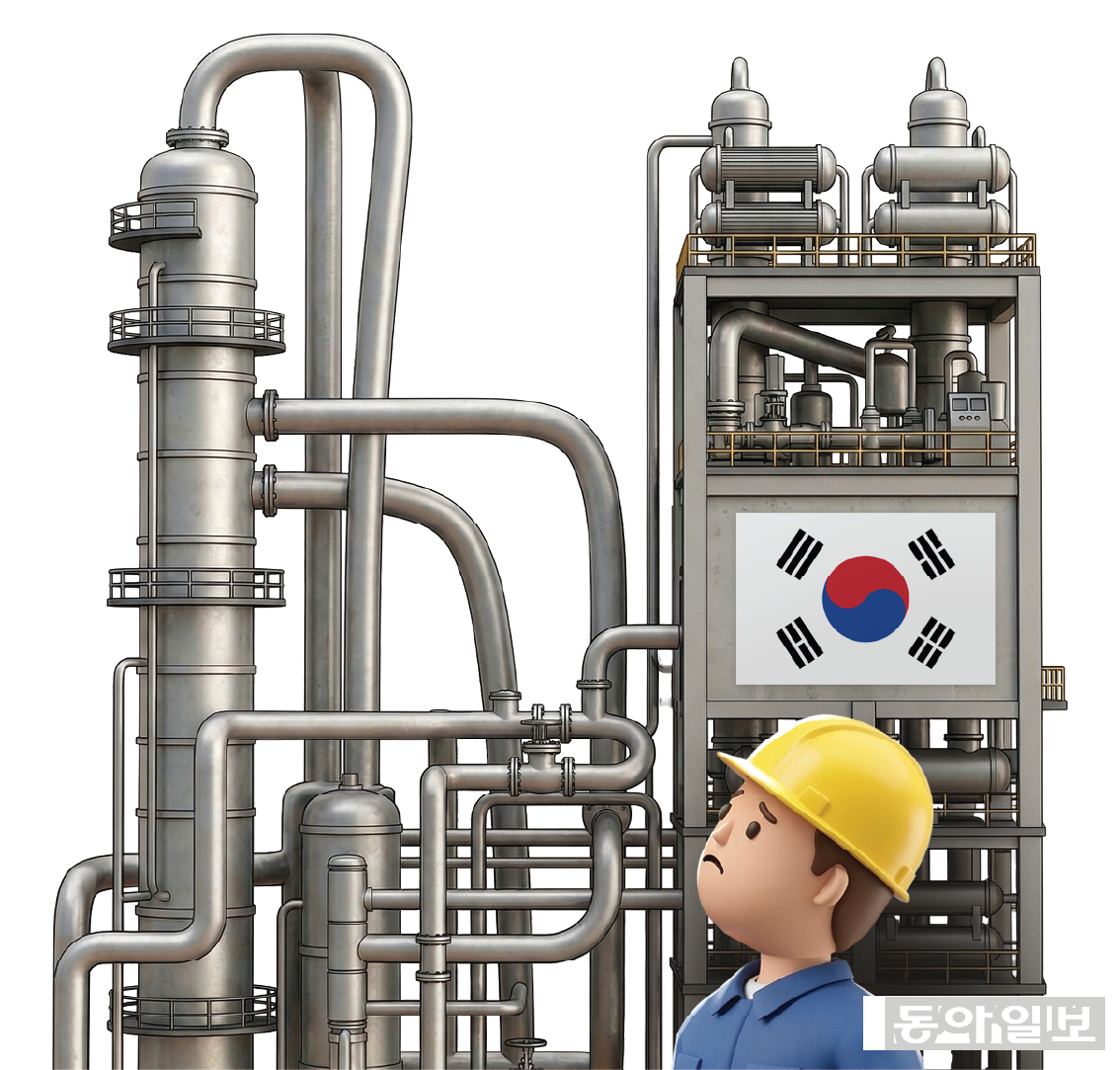
Hormuz Reopening Won't Solve 1 Billion Barrel Supply Gap; Korean Refiners Face Dilemma Amid High Prices
Translated from Korean, summarized and contextualized by DistantNews.
TLDR
- Global oil markets face a prolonged supply deficit for months, even if the Strait of Hormuz reopens, due to logistical disruptions and the need to reconfigure supply chains.
- South Korean refiners are in a dilemma, needing to secure crude oil at inflated prices to maintain operations despite the risk of further price drops.
- The high cost of oil threatens to trigger "demand destruction," where soaring prices lead to a significant reduction in global consumption.
The global oil market is grappling with a grim outlook, with projections indicating a persistent supply shortfall lasting several months, even under the optimistic scenario of the Strait of Hormuz reopening. This prolonged deficit, stemming from severely disrupted logistics, presents a significant challenge for nations reliant on oil imports, including South Korea's vital refining industry.
Even after the reopening of the Strait of Hormuz, a supply loss of about 1 billion barrels will occur until supply normalization.
South Korean refiners find themselves in a precarious position. They face the daunting task of procuring crude oil amidst soaring prices and a shortage of suitable vessels, driven by geopolitical tensions. The dilemma lies in whether to commit to expensive "spot" purchases to keep their facilities running, risking substantial financial losses if oil prices subsequently fall. This situation is exacerbated by the fact that many oil tankers have been diverted to transport U.S. crude, further complicating supply routes from the Middle East.
It will take at least 3 to 4 months to return to pre-war levels.
The escalating cost of oil is not just an economic burden; it poses a threat of "demand destruction." As prices climb past a critical threshold, global consumption could plummet as consumers and industries reach their breaking point. This potential collapse in demand adds another layer of uncertainty to an already volatile market. The situation underscores the fragility of global energy supply chains and the profound impact that regional conflicts can have on international markets, leaving industries and consumers alike vulnerable to price shocks and shortages.
The fact that oil prices are approaching the critical point where consumption itself freezes is more terrifying than securing expensive crude oil.
DistantNews Editorial
Originally published by Dong-A Ilbo in Korean. Translated, summarized, and contextualized by our editorial team with added local perspective. Read our editorial standards.
More Stories


From Our Blog

What Gets Lost (and Found) When News Is Translated

The Critical Role of Diaspora Media in Global News

What Travellers Should Know About Countries with Restricted Press

A Digital Nomad's Guide to Following Local News

How the Same Story Looks Different in Different Countries
