


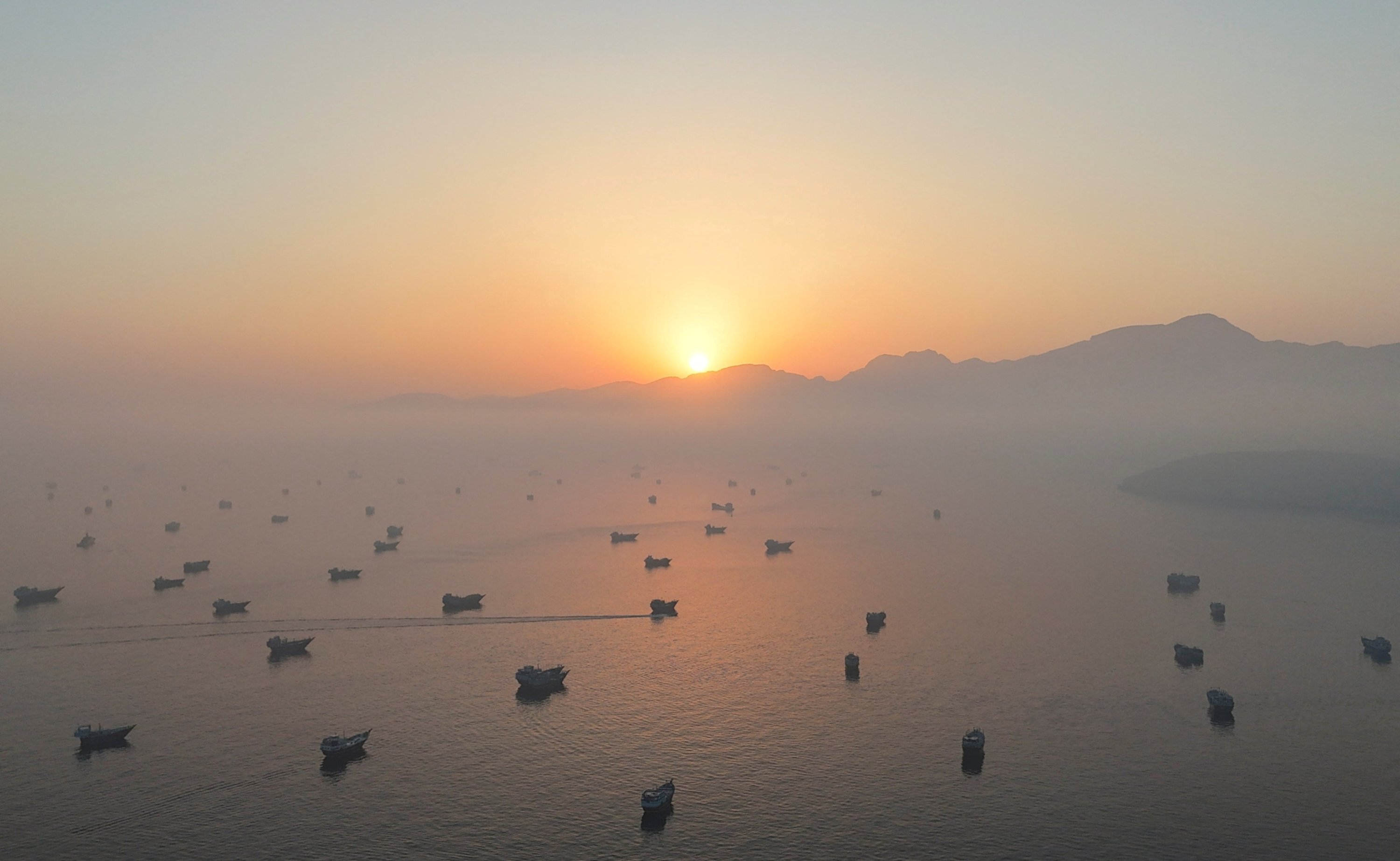
Hormuz reopens, but the energy shock remains
Summarized and contextualized by DistantNews.
At a glance
Analysis
Sources not specified
Outcome reported
- The Strait of Hormuz has reopened following a temporary understanding between the U.S. and Iran, easing tensions.
- Despite the reopening, logistical challenges persist, with hundreds of vessels waiting to exit the strait.
- The disruption significantly impacted global oil and LNG markets, causing price volatility and supply chain issues.
Istanbul – The Strait of Hormuz has reopened, signaling a de-escalation of tensions between the U.S. and Iran, but the ripple effects on global energy markets and supply chains continue to be felt. The temporary diplomatic understanding has eased fears of direct confrontation, leading to a drop in Brent crude prices below $83 per barrel.
However, the reopening has not immediately resolved the complex logistical paralysis. A significant backlog remains, with approximately 98 crude oil tankers, 88 oil product tankers, and other commercial vessels waiting to transit the vital waterway. This bottleneck in global supply chains could take weeks to untangle, highlighting the fragility of energy infrastructure in the region.
The effective closure of Hormuz, which normally handles about one-fifth of global oil supply, created a "tragic contradiction" for Gulf producers. Even as oil prices surged earlier in the year, producers in Iraq, Kuwait, Saudi Arabia, and the UAE struggled to deliver their oil to market due to transit disruptions. Dark passages saw increased oil movement, but volumes remained far below normal.
The most profound shock, however, was experienced in the liquefied natural gas (LNG) markets. Qatar, a major global LNG exporter, faced substantial structural disruption. The closure impacted its exports significantly, with a 33% year-on-year drop in the first quarter of 2026. This disruption directly affected global price mechanisms, pushing Asian benchmark prices higher as buyers scrambled for supply amid the uncertainty.
DistantNews Editorial
Originally published by Daily Sabah. Summarized and contextualized by our editorial team with added local perspective. Read our editorial standards.
More Stories

From Our Blog

What Gets Lost (and Found) When News Is Translated

The Critical Role of Diaspora Media in Global News

What Travellers Should Know About Countries with Restricted Press

A Digital Nomad's Guide to Following Local News

How the Same Story Looks Different in Different Countries
