


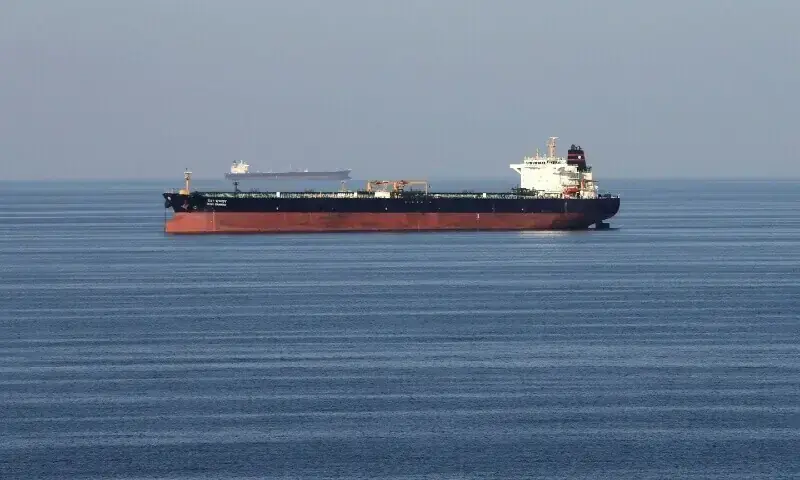
Hormuz shipping prospects remain uncertain
Summarized and contextualized by DistantNews.
At a glance
News
Sources not specified
Context piece
- Security incidents continue in the Strait of Hormuz, with a tanker reporting explosions, despite an understanding between Iran and Oman.
- US imports of Middle Eastern crude oil are set to reach 600,000 barrels per day, the highest since the Iran war began.
- The ongoing risks highlight the precarious situation for regional shipping and energy routes.
The Strait of Hormuz remains a zone of heightened risk for regional shipping, as evidenced by fresh security incidents on Thursday, including a tanker reporting explosions. These events underscore the continued volatility in the critical waterway, despite an apparent understanding reached between Iran and Oman.
While this understanding is seen as a step toward reopening the key energy route, Iranian media emphasized that any easing of tensions is contingent on the United States ending its naval blockade of Iran's ports. U.S. Central Command confirmed it was enforcing the blockade, redirecting, disabling, and boarding commercial vessels.
The Master of a tanker has reported hearing two explosions whilst transiting in the Strait of Hormuz.
Adding to the concerns, the captain of an oil tanker reported hearing two explosions while transiting the strait. Britain's maritime security agency, the UK Maritime Trade Operations (UKMTO), confirmed the report, stating the crew and vessel were safe and no environmental damage occurred.
Meanwhile, U.S. imports of Middle Eastern crude oil are projected to reach approximately 600,000 barrels per day in August, the highest level since the Iran war commenced. This surge is attributed to a temporary opening of the Strait of Hormuz and the rerouting of Saudi oil through the Suez Canal towards American ports. Cargoes from Saudi Arabia's Red Sea port of Yanbu are also contributing to the increased imports, as Saudi Arabia reroutes its crude output via its east-west pipeline to bypass potential attacks in the Strait of Hormuz. However, the risk of attacks persists, with Yemen's Iran-backed Houthi militants having previously imposed a maritime blockade on Saudi Arabia.
With oil apparently continuing to leak and the vessel stranded in a difficult location, the risk of even larger environmental disaster remains serious.
DistantNews Editorial
Originally published by Dawn. Summarized and contextualized by our editorial team with added local perspective. Read our editorial standards.
More Stories


From Our Blog

What Gets Lost (and Found) When News Is Translated

The Critical Role of Diaspora Media in Global News

What Travellers Should Know About Countries with Restricted Press

A Digital Nomad's Guide to Following Local News

How the Same Story Looks Different in Different Countries
