

Hormuz Strait Shipping Plummets Amid U.S.-Iran Tensions and Conflicting Diplomatic Signals
Translated from Korean, summarized and contextualized by DistantNews.
At a glance
News
Named sources
Ongoing story
- Shipping traffic through the Strait of Hormuz has sharply declined following a recent military clash between the U.S. and Iran.
- Only five vessels, including four oil tankers and one container ship, entered the Persian Gulf under U.S. naval escort, with no ships exiting on the same day.
- Tensions remain high as both nations present conflicting accounts regarding potential diplomatic talks, impacting maritime security and increasing anxiety among shipowners and charterers.
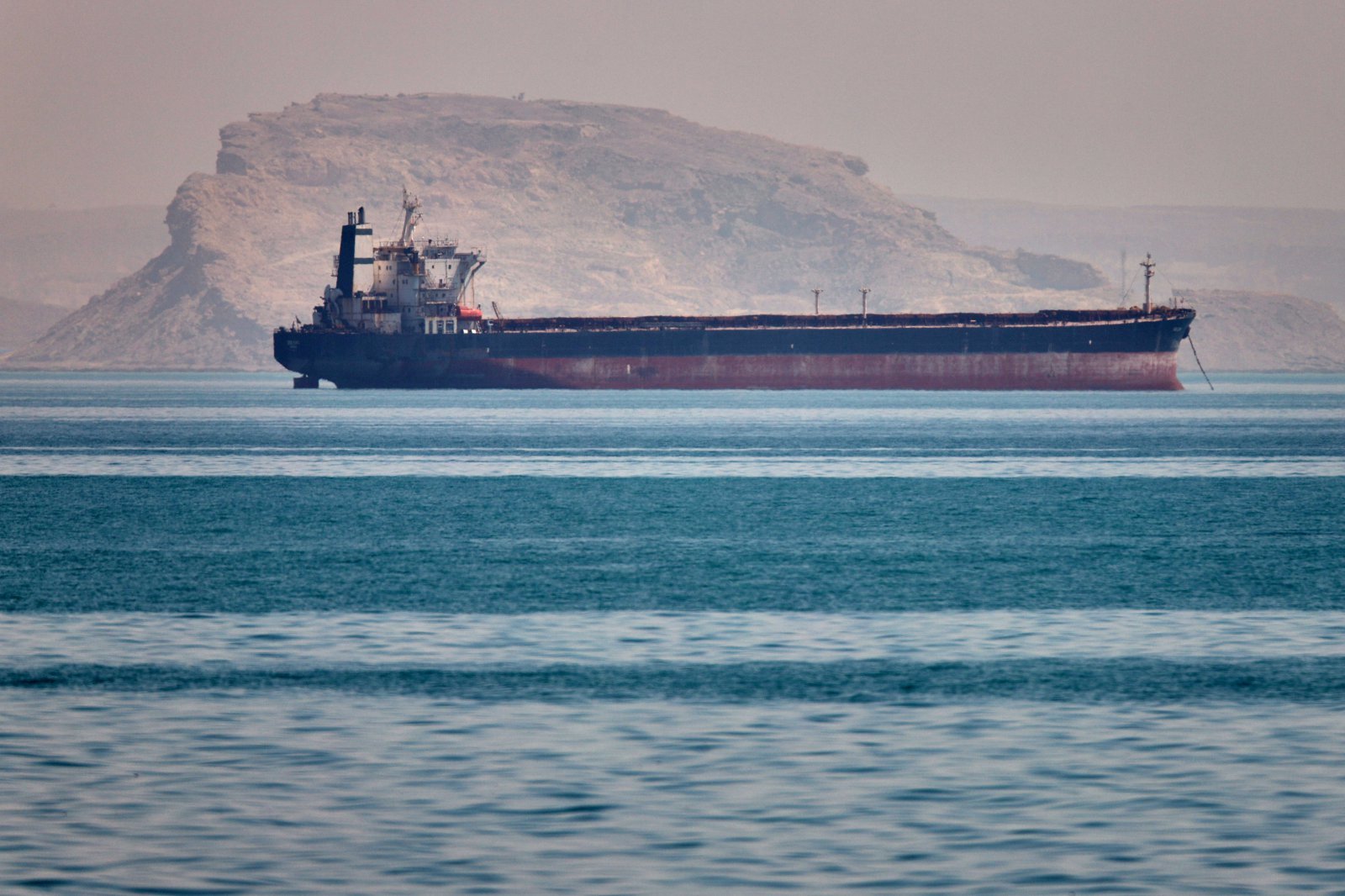
Maritime traffic through the critical Strait of Hormuz has plummeted in the wake of a recent military confrontation between the United States and Iran. The number of vessels transiting the strait, which had previously recovered to around 70 per day after a ceasefire memorandum of understanding, has drastically decreased over the weekend.
According to energy analysis firm HFI Research, only five vessels, four oil tankers and one container ship, entered the Persian Gulf via the southern corridor off Oman's coast, escorted by U.S. Navy ships. Data from maritime information provider Kpler indicated that no ships exited the Persian Gulf through the same route on that day. The volume of cargo ship traffic on the 28th was only 12 vessels, a significant drop compared to the recovery seen the previous week.
The Wall Street Journal reported that attacks on cargo and oil ships have heightened anxiety among shipowners, charterers, and crews, slowing the recovery of Hormuz transit. This situation was triggered on June 26th when the U.S. Central Command bombed Iranian missile and drone storage facilities and coastal radar sites in response to Iran's attack on merchant vessels. The Islamic Revolutionary Guard Corps (IRGC) of Iran retaliated, claiming to have attacked eight U.S. military facilities in Kuwait and Bahrain.
Iran's Foreign Ministry warned that the safety of vessels using routes not approved by Iran could not be guaranteed, leading ships to avoid the southern Omani corridor in favor of Iranian-approved routes or to postpone transit altogether. While both sides reportedly agreed to cease further attacks, they presented conflicting statements regarding diplomatic engagement. U.S. President Donald Trump claimed on social media that Iran had requested talks, suggesting a meeting in Doha on June 30th. However, Iran's Foreign Ministry stated there were no plans for follow-up negotiations on the ceasefire agreement with the U.S. in the coming days, though they acknowledged sending a delegation to Doha to review the implementation of the memorandum of understanding concerning oil sales and frozen assets.
DistantNews Editorial
Originally published by Dong-A Ilbo in Korean. Translated, summarized, and contextualized by our editorial team with added local perspective. Read our editorial standards.
More Stories



From Our Blog

What Gets Lost (and Found) When News Is Translated

The Critical Role of Diaspora Media in Global News

What Travellers Should Know About Countries with Restricted Press

A Digital Nomad's Guide to Following Local News

How the Same Story Looks Different in Different Countries
