


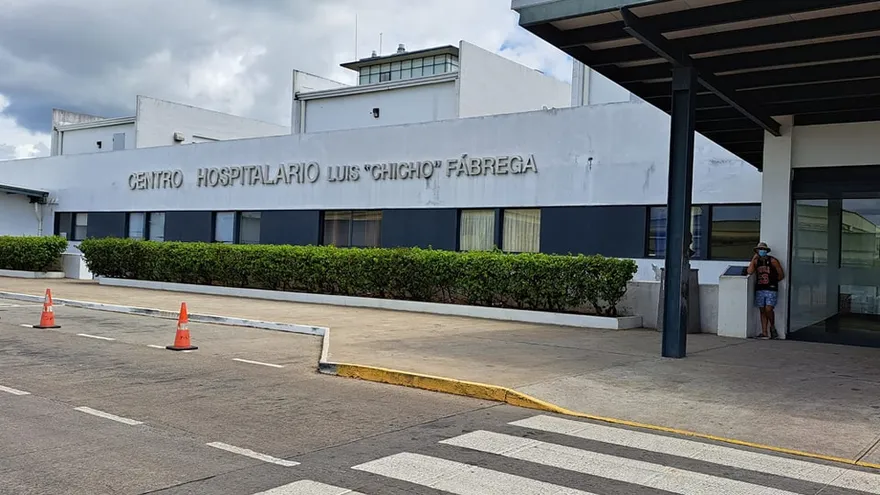
Hospital Pediatric ICU Reaches Full Capacity
Translated from Spanish, summarized and contextualized by DistantNews.
At a glance
News
Named sources
Context piece
- Pediatric intensive care units at Hospital Luis ‘Chicho’ Fábrega have reached maximum capacity.
- Low health literacy contributes to patients delaying medical checks until complications arise.
- Early detection and consistent management are key to controlling diabetes and preventing complications.
The pediatric intensive care unit for respiratory illnesses at Hospital Luis ‘Chicho’ Fábrega is now at full capacity. This situation highlights the strain on healthcare resources, particularly for the youngest patients.
Why do our people come to health facilities when it's too late? Because our health literacy is not yet evenly distributed. Many people also still postpone or even deny (denial) even though they have risk factors.
Low health literacy is identified as a significant barrier, causing many individuals to only realize they have diabetes when serious complications develop. Dr. Ida Ayu Made Kshanti, Chair of the Indonesian Diabetes Educators Association (PEDI), noted that a lack of widespread health literacy means people often delay seeking medical attention. Some individuals postpone or deny their condition despite having risk factors, believing their regular exercise or lack of severe symptoms is sufficient protection. However, she stressed that a healthy lifestyle alone does not eliminate diabetes risk, especially with a family history or other contributing factors.
When you finish checking your blood sugar and get the numbers, don't stop there. Understand whether the numbers are still normal or need further attention. Also look at the risk factors, including family history.
Dr. Kshanti urged the public not to stop at just checking blood sugar levels. It is crucial to evaluate other risk factors, such as family history, weight, lifestyle, and existing health conditions. She explained that diabetes symptoms vary; some experience obvious signs, while others have mild changes that are easily ignored. Persistent thirst accompanied by frequent urination, especially at night, is a warning sign indicating high blood sugar is causing the kidneys to work harder and the body to lose fluids. Other characteristic symptoms include persistent hunger despite eating, unexplained weight loss, and general fatigue.
If someone urinates frequently at night because of high blood sugar, that's already a warning sign.
Effective diabetes management, according to Dr. Kshanti, requires more than just medication or technology. Continuous education is fundamental for patients to understand their condition and adhere to therapy and lifestyle changes. She emphasized that success in managing diabetes depends not solely on medication but also on the patient's comprehension of the disease.
Don't keep making excuses or assuming it's normal. If the body gives signals that are different from usual, especially if you have risk factors, find out the cause immediately.
DistantNews Editorial
Originally published by TVN Panamá in Spanish. Translated, summarized, and contextualized by our editorial team with added local perspective. Read our editorial standards.
More Stories



From Our Blog

What Gets Lost (and Found) When News Is Translated

The Critical Role of Diaspora Media in Global News

What Travellers Should Know About Countries with Restricted Press

A Digital Nomad's Guide to Following Local News

How the Same Story Looks Different in Different Countries
