


Hotel restaurants evolve into culinary destinations
Translated from English, summarized and contextualized by DistantNews.
At a glance
In-depth
Sources not specified
Context piece
- Luxury hotels are increasingly offering ambitious dining experiences to attract both travelers and local patrons.
- The global fine-dining sector is projected to grow significantly, with Southeast Asia showing a strong trend in evolving consumer preferences.
- Guests now prioritize casual dining, a la carte options, vegetarian/vegan choices, and transparency about ingredient origins and sustainability.
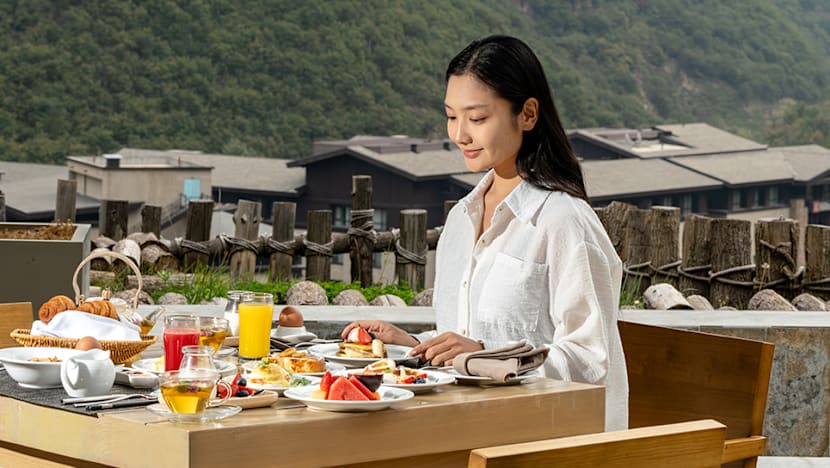
Hotel restaurants, once an overlooked aspect of travel, have transformed into significant culinary destinations, particularly over the last five years. Luxury hotels are now investing in increasingly ambitious dining experiences to capture the attention of both global travelers and local gourmands.
The fine-dining sector is experiencing robust growth, valued at $166.86 billion globally in 2024 and projected to reach $243.14 billion by 2030, growing at a compound annual rate of 6.54 percent. A joint white paper highlights Southeast Asia as a key market where shifting attitudes toward luxury, travel, and dining are influencing consumer choices.
Marriott International's "The Future of Food 2026 Asia Pacific Report" reveals a clear shift in guest preferences. Fifty-nine percent of guests now favor casual dining over formal settings, and 53 percent prefer a la carte options to traditional set menus. Vegetarian (64 percent) and vegan (63 percent) choices are also in high demand. Furthermore, guests are increasingly curious about the provenance of their food, with 75 percent inquiring about ingredient origins and 58 percent about sustainability practices.
Over the last five years, traveller expectations have shifted decisively from a desire for standardised exclusivity to a demand for ‘comfort as the new luxury’, where authenticity and personal well-being take precedence. Guests today are seeking more than just a meal; they want a narrative, a sense of place, and a deep connection to culinary artistry.
Petr Raba, Marriott International's vice-president of food and beverage for Asia Pacific (excluding China), notes a decisive shift in traveler expectations over the past five years. "Comfort as the new luxury" now takes precedence, emphasizing authenticity and personal well-being. Guests seek more than just a meal; they desire a narrative, a sense of place, and a connection to culinary artistry.
Hilton's 2026 Trends Report echoes these findings, indicating a rise in intergenerational family travel where culinary exploration is a top activity for 69 percent of travelers. Memorable, gourmet experiences that cater to diverse age groups, inspire discovery, and foster meaningful connections are highly valued. At InterContinental Halong Bay Resort, for instance, food and beverage offerings are integral to the destination experience, utilizing local produce from the Quang Ninh province in dishes ranging from French-Vietnamese cuisine to Japanese and seafood specialties.
Guests increasingly expect restaurant-quality cuisine, strong culinary identities, and concepts that feel rooted in place rather than interchangeable across destinations.
DistantNews Editorial
Originally published by CNA in English. Translated, summarized, and contextualized by our editorial team with added local perspective. Read our editorial standards.
More Stories


From Our Blog

What Gets Lost (and Found) When News Is Translated

The Critical Role of Diaspora Media in Global News

What Travellers Should Know About Countries with Restricted Press

A Digital Nomad's Guide to Following Local News

How the Same Story Looks Different in Different Countries
