


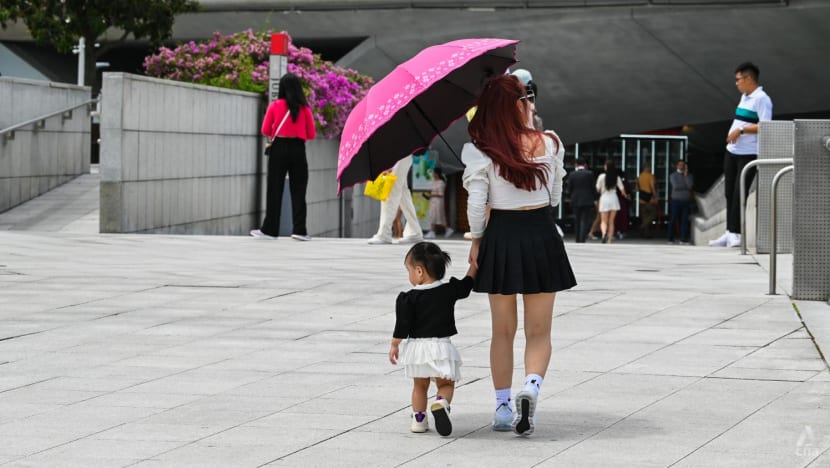
Hotter, drier El Nino could raise risks of dengue and respiratory illnesses: Experts
Summarized and contextualized by DistantNews.
At a glance
News
Named sources
Context piece
- Singapore is experiencing hotter and drier weather due to El Nino, which experts warn could increase health risks.
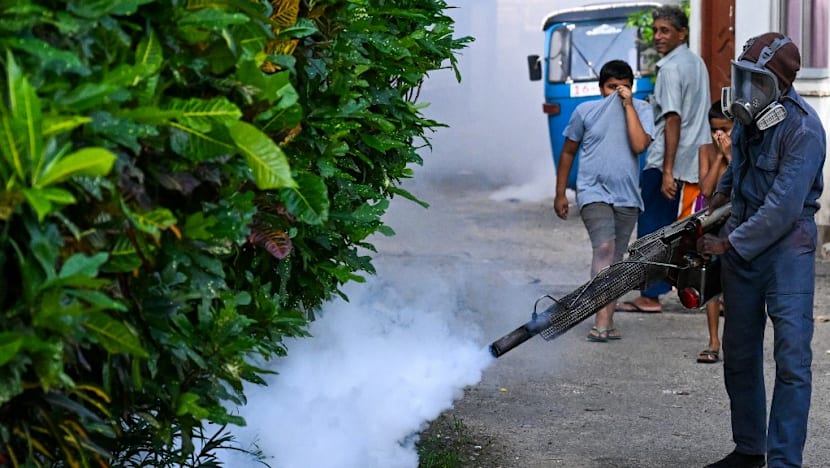
- Doctors predict a rise in mosquito-borne diseases like dengue and aggravation of chronic respiratory conditions.
- The Meteorological Service Singapore expects El Nino conditions to continue through October.
Singapore is bracing for increased health risks as the El Nino climate pattern brings hotter and drier weather, with experts warning of a potential rise in infectious diseases and a worsening of chronic conditions.
Doctors anticipate a surge in mosquito-borne illnesses, such as dengue and chikungunya, as higher temperatures accelerate the life cycle of Aedes mosquitoes and shorten the virus incubation period. Beyond infectious diseases, the dry weather could also exacerbate air quality issues. Dust, pollutants, and pollen may accumulate, triggering or worsening chronic respiratory ailments like asthma and bronchitis. Fine particulate matter, or PM2.5, poses a particular threat, capable of reaching deep into the lungs and bloodstream, increasing the risk of cardiovascular disease.
In general, what you would expect is an uptick in vector-borne infections, including dengue and chikungunya.
Infants are identified as particularly vulnerable to respiratory syncytial virus (RSV), a common cause of hospitalization among children under one in Singapore. Symptoms can range from mild cold-like signs to severe breathing difficulties, bronchiolitis, or pneumonia. Doctors advise parents to monitor infants for rapid breathing, chest retractions, poor feeding, or unusual lethargy.
The Meteorological Service Singapore forecasts that El Nino conditions will persist through October. This extended period of hotter and drier weather heightens concerns for public health, especially for vulnerable groups including young children, the elderly, pregnant women, outdoor workers, and individuals with pre-existing heart or lung conditions.
RSV often starts with mild cold-like symptoms before spreading to the lower airways, where it can cause breathing difficulties in infants.
DistantNews Editorial
Originally published by CNA. Summarized and contextualized by our editorial team with added local perspective. Read our editorial standards.
More Stories


From Our Blog

What Gets Lost (and Found) When News Is Translated

The Critical Role of Diaspora Media in Global News

What Travellers Should Know About Countries with Restricted Press

A Digital Nomad's Guide to Following Local News

How the Same Story Looks Different in Different Countries
