


Sri Lanka doubles dengue drive as deaths climb to 49
Translated from English, summarized and contextualized by DistantNews.
At a glance
News
Sources not specified
Ongoing story
- Sri Lanka is doubling staff and security forces in a military-backed campaign to combat a deadly dengue fever outbreak.
- The country has recorded 49 deaths and over 61,000 infections in the first six months of 2026, with more cases in July.
- Health officials aim to prevent hospital overcrowding and control the spread of the virus, which is exacerbated by climate change.
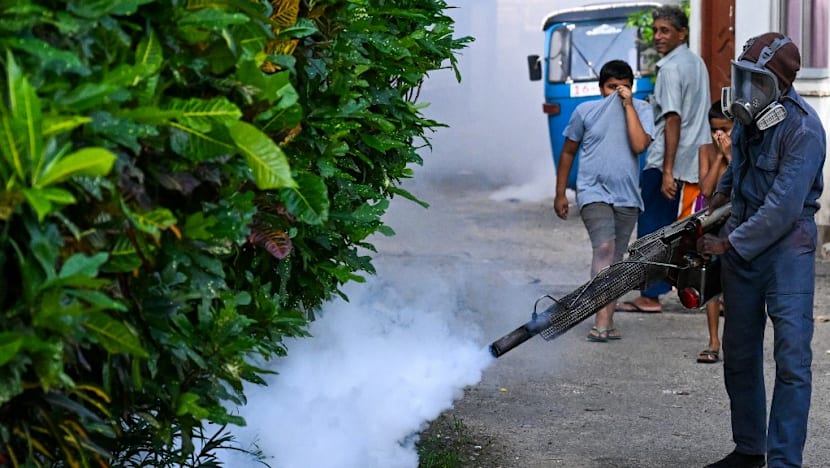
Sri Lanka is intensifying its efforts to control a deadly dengue fever outbreak, with a military-backed drive now set to double its personnel.
Starting July 16, medical staff and security forces will be deployed in greater numbers to combat the mosquito-borne illness. The focus will be on the capital, Colombo, and two neighboring districts, identified as the most severely affected areas.
"We are launching a new drive from tomorrow to expand into more areas with additional staff and security personnel," said Kapila Kannangara, head of the National Dengue Control Unit. The country has already deployed the military since June to identify and destroy mosquito breeding sites.
Official data reveals a stark increase in infections, with over 61,057 people contracting dengue in the first six months of 2026. This figure more than doubles the 30,060 infections recorded during the same period in the previous year. July alone has seen over 15,000 new cases.
Despite the alarming numbers, 2026 figures remain lower than the record 186,000 cases and 440 deaths seen in 2017. Health officials emphasize the urgency of controlling the spread to prevent hospitals from becoming overwhelmed. The Aedes mosquito, responsible for transmitting dengue, breeds in stagnant water, a problem exacerbated by climate change, according to the World Health Organization.
We are launching a new drive from tomorrow to expand into more areas with additional staff and security personnel.
DistantNews Editorial
Originally published by The Straits Times in English. Translated, summarized, and contextualized by our editorial team with added local perspective. Read our editorial standards.
More Stories


From Our Blog

What Gets Lost (and Found) When News Is Translated

The Critical Role of Diaspora Media in Global News

What Travellers Should Know About Countries with Restricted Press

A Digital Nomad's Guide to Following Local News

How the Same Story Looks Different in Different Countries
