

How a US-Japan pact to hit yen speculators came together
Translated from English, summarized and contextualized by DistantNews.
At a glance
Analysis
Named sources
Context piece
- Japan and the U.S. coordinated for months to combat speculative bets against the yen, a rare public alignment on exchange rates.
- A weak yen has increased import costs in Japan and could affect U.S. Treasury yields, prompting shared currency anxiety.
- U.S. Treasury Secretary Scott Bessent's verbal support for a stronger yen provided Tokyo with a new tool, following earlier unsuccessful unilateral efforts.
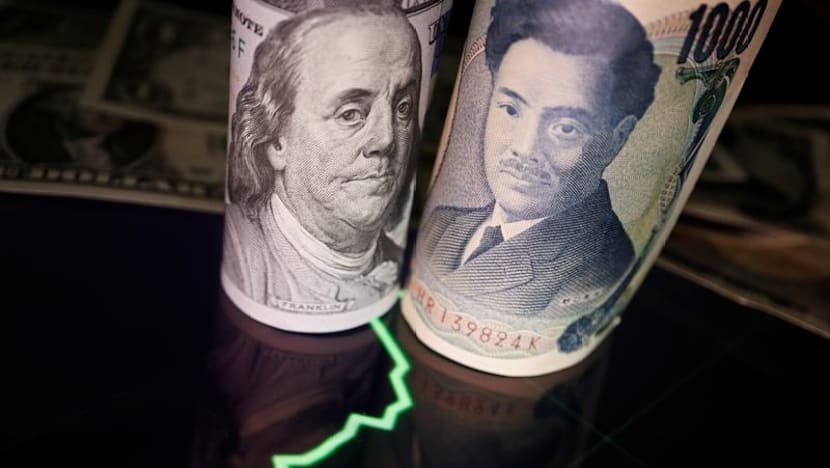
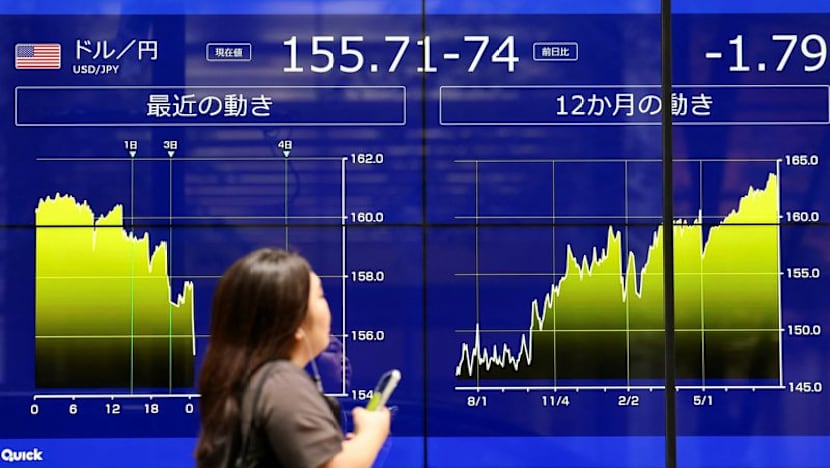
Months of preparation and a rare, public alignment of interests between the U.S. and Japan culminated in a joint effort last week to counter speculative bets against the yen. While Japan's past unilateral attempts to halt yen selling failed, U.S. Treasury Secretary Scott Bessent's verbal backing for a stronger yen has equipped Tokyo with a new strategy.
Including online meetings, we've held talks about 10 times for discussions that included exchange rates.
A weak yen has fueled import price increases in Japan, causing cost-of-living challenges for successive governments. For the U.S., a depreciating yen diminishes the trade advantage of President Donald Trump's tariffs, and a related sell-off in Japanese government bonds could impact U.S. Treasury yields. This shared currency concern has fostered closer bilateral discussions on exchange rates, a historically sensitive topic for the two economic powers, and increased pressure on the Bank of Japan to raise interest rates.
When he visited Japan in May, we talked three-and-a-half hours including over dinner.
U.S. involvement in yen-buying intervention was considered as early as January, when the New York Federal Reserve conducted rare rate checks to assist Tokyo. Japanese Finance Minister Satsuki Katayama stated they held approximately 10 talks, including exchange rates, with Bessent. During Bessent's May visit to Japan, they discussed the matter for three-and-a-half hours, including dinner. These talks followed Japan's significant yen-buying intervention in late April and early May, which did not reverse the yen's downward trend.
coordinating very closely on foreign exchange and will continue to do so.
Katayama noted after the May meeting that they were "coordinating very closely on foreign exchange and will continue to do so." Bessent affirmed Japan's fundamentals are "strong and resilient, and that will be reflected in the exchange rate." He also reiterated calls for faster Bank of Japan interest rate increases, signaling Washington's concern that its slow pace of hikes could leave the central bank behind in addressing inflation. The Bank of Japan later raised interest rates to a 31-year high of 1 percent, a significant step in policy normalization, but the move did not provide a lasting boost to the currency due to deeply negative real borrowing costs in Japan.
strong and resilient, and that will be reflected in the exchange rate.
DistantNews Editorial
Originally published by CNA in English. Translated, summarized, and contextualized by our editorial team with added local perspective. Read our editorial standards.
More Stories



From Our Blog

What Gets Lost (and Found) When News Is Translated

The Critical Role of Diaspora Media in Global News

What Travellers Should Know About Countries with Restricted Press

A Digital Nomad's Guide to Following Local News

How the Same Story Looks Different in Different Countries
