


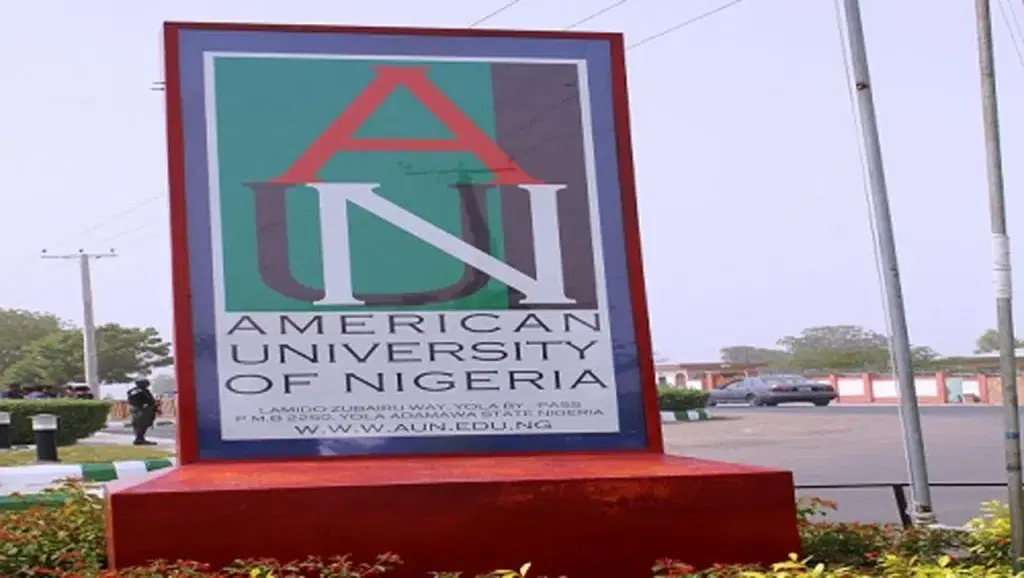
How Atiku’s AUN is impacting Northern Nigeria
Summarized and contextualized by DistantNews.
At a glance
In-depth
Named sources
Context piece
- The American University of Nigeria (AUN) aims to be "Africa's development university," benefiting its impoverished local community.
- AUN's mission drove its curriculum and operations, requiring a strong relationship with the community, especially amid threats from Boko Haram.
- The university spearheaded the Adamawa Peace Initiative (API) to foster peace and development, engaging local leaders and focusing on vulnerable youth through programs like "Feed and Read" and "Peace through Sports."
The American University of Nigeria (AUN) in Yola operates with an explicit mission to be "Africa's development university," ensuring its programs and projects directly benefit the local, impoverished community. Leading universities across three continents, including my own experiences at AUN, have shown that a university's mission must fundamentally shape its curriculum, student and faculty recruitment, and its engagement with skeptical host societies.
At AUN, this mission was not just aspirational but essential for survival. Situated in a desperately impoverished, largely Muslim region of northeastern Nigeria, the university faced threats from Boko Haram, an insurgent group whose name translates to "Western education is evil." A mutually supportive relationship with the local community proved crucial for safety and for living out the university's development goals. This community network was established before crises began, a vital precaution alongside hiring and training a private armed security force of over six hundred people.
In response to national upheaval, including the 2012 removal of fuel subsidies that sparked nationwide strikes, AUN spearheaded the creation of the Adamawa Peace Initiative (API). This initiative brought together local Muslim and Christian leaders, businesspeople, and youth leaders to agree on core values: positive youth engagement, religion as an instrument of peace, women at the center of development, and education as society's foundation. These leaders, understanding their community's needs best, guided AUN's initial projects.
The first project focused on the most vulnerable youth through the "Feed and Read" program. This initiative aimed to reduce hunger and increase literacy among street children, known as Almajiri, who were susceptible to recruitment by Boko Haram. Local women were hired to provide daily meals, while AUN students taught literacy and numeracy. Additionally, the "Peace through Sports" program used football to unite youth from diverse cultural and religious backgrounds, with participants identified by API members.
DistantNews Editorial
Originally published by Vanguard. Summarized and contextualized by our editorial team with added local perspective. Read our editorial standards.
More Stories



From Our Blog

How the Same Story Looks Different in Different Countries

What Gets Lost (and Found) When News Is Translated

The Critical Role of Diaspora Media in Global News

What Travellers Should Know About Countries with Restricted Press

A Digital Nomad's Guide to Following Local News
