


How China is Becoming the Gravitational Center of Global Diplomacy
Translated from English and summarized by DistantNews. Read the original for the full story.
At a glance
News
Named sources
Context piece
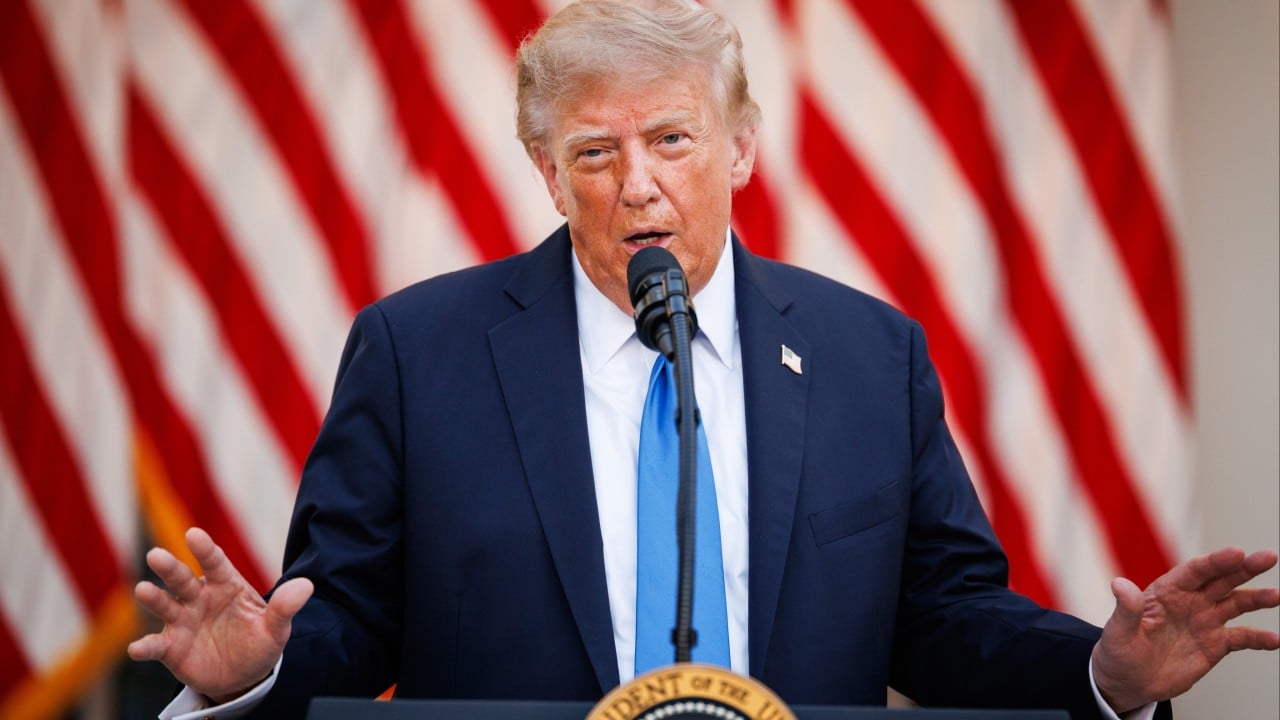
- China is positioning itself as the central hub of global diplomacy, hosting both Russian President Vladimir Putin and US President Donald Trump in close succession.
- This strategic move demonstrates Beijing's growing influence and its role as a key mediator in international affairs.
- The visits underscore China's significance as Russia's economic lifeline and strategic rear base, while also showcasing China's ability to engage with the US on equal footing.
The South China Morning Post, based in Hong Kong and with a deep understanding of mainland China's strategic maneuvers, frames President Xi Jinping's diplomatic calendar as a deliberate and powerful display of China's ascendant global role. The article emphasizes that Beijing is no longer merely navigating between the US and Russia but is actively shaping the international order around itself.
The 'civilizational theatre' described highlights how China uses high-profile diplomatic events to project an image of strength and centrality. Hosting leaders from both Washington and Moscow within days is not just about managing bilateral relations; it's a calculated performance designed to underscore China's indispensability as a global broker.
This perspective is particularly insightful from a regional viewpoint, as it recognizes the symbolic weight of such diplomatic choreography. While Western media might focus on the specifics of US-China or Russia-China relations, the Post emphasizes the overarching narrative: China's deliberate positioning as the gravitational center of global diplomacy. The article notes the 'imperial-scale ceremony' surrounding Trump's visit, suggesting that Beijing is not just receiving foreign leaders but is asserting its own status on the world stage, potentially even casting visiting leaders as supplicants.
About this summary
Originally published by South China Morning Post in English. Translated, summarized, and contextualized automatically by DistantNews, with a note on how the source frames the story. Not individually reviewed before publishing. How this works.
More Stories

From Our Blog

Countries Without a Free Press: The 2026 List and What It Means for Readers

What Press Freedom Means for the News You Read

News in Translation: What Gets Lost, and How We Keep the Framing

Diaspora Media: How Communities Abroad Follow Home

Traveling Where the Press Is Not Free: How to Read the News There
