


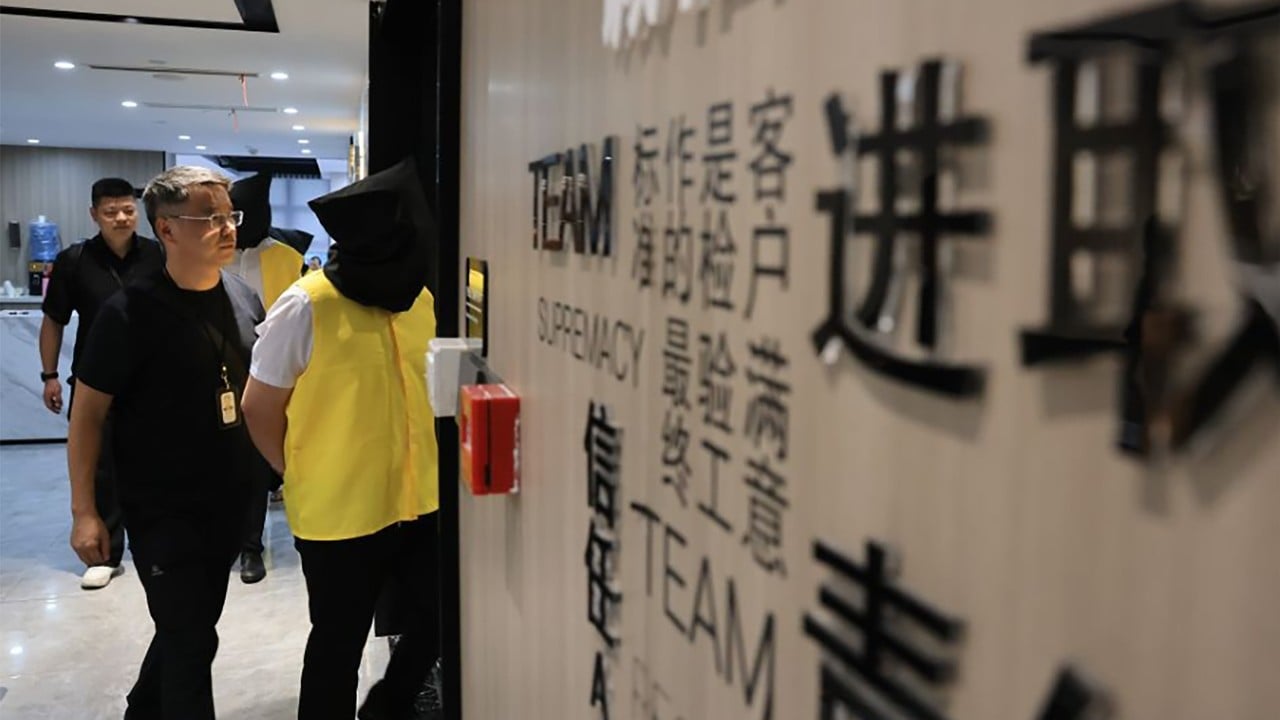
How China’s anti-corruption fight became Xi Jinping’s most important policy
Summarized and contextualized by DistantNews.
At a glance
In-depth
Documents & data
Context piece
- China's anti-corruption campaign, initiated by President Xi Jinping, has become a central policy of the Communist Party.
- The campaign has expanded significantly, leading to punishments for 983,000 people last year, with senior officials' dismissals tripling since 2013.
- A significant portion, 60%, of senior officials removed since 2013 served in regional governments, with resource-rich provinces heavily affected.
President Xi Jinping's signature anti-graft campaign has evolved into one of the Communist Party's most critical policies, according to a major data project by the South China Morning Post.
In the early years of Xi's presidency, authorities emphasized that the anti-corruption drive was not a temporary measure. This reassurance was necessary as high-ranking officials, including former Politburo Standing Committee member Zhou Yongkang, were brought down. Concerns about the campaign being a "flash in the pan" were widespread, prompting then-top anti-corruption chief Wang Qishan to warn against temporary crackdowns.
A decade later, the campaign's reach and impact are undeniable. It has expanded to net record numbers of senior officials and uncover new forms of graft, such as cryptocurrency schemes and clandestine proxies. Last year alone, anti-corruption agencies imposed punishments on 983,000 individuals, ranging from warnings to criminal prosecution. The number of senior officials dismissed last year was triple that of 2013.
The South China Morning Post's analysis reveals that 60% of senior officials targeted by the campaign between 2013 and 2025 held positions in regional governments. Provinces like Jiangxi, Liaoning, Shanxi, and Hebei, along with the Inner Mongolia autonomous region, have recorded the highest numbers of dismissals, indicating a significant impact on resource-rich areas.
DistantNews Editorial
Originally published by South China Morning Post. Summarized and contextualized by our editorial team with added local perspective. Read our editorial standards.
More Stories

From Our Blog

Countries Without a Free Press: What You Need to Know

What Press Freedom Means for the News You Read

What Gets Lost (and Found) When News Is Translated

The Critical Role of Diaspora Media in Global News

What Travellers Should Know About Countries with Restricted Press
