


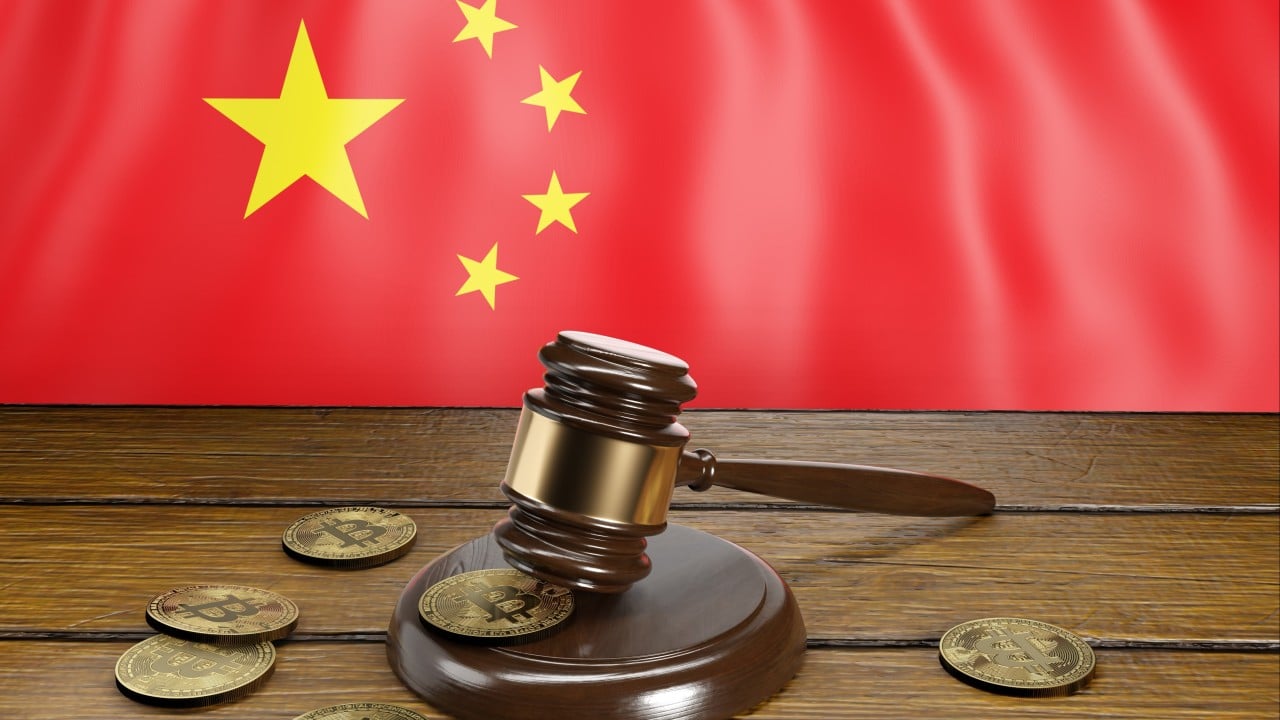
How do Chinese police track and seize cryptocurrency? Rare paper reveals forensic tools
Summarized and contextualized by DistantNews.
At a glance
News
Named sources
Context piece
- Chinese police have developed sophisticated tools to track and seize cryptocurrency, despite its ban in the country.
- A technical paper reveals law enforcement's methods for evidence collection, transaction tracing, and asset seizure for illicit virtual assets.
- The report details how crypto is stored and controlled via private keys, offering insight into the challenges and capabilities of Chinese authorities in combating crypto-related crime.
Chinese police are employing advanced forensic tools to track and confiscate cryptocurrency, according to a rare technical report. Despite a government ban on virtual currencies since 2021, criminals continue to use them for illicit activities like scams, gambling, and money laundering due to their anonymity and lack of central oversight.
The journal Forensic Science and Technology published a paper on June 4 detailing the methods used by law enforcement. Authors from the Wenzhou Public Security Bureau and the Zhejiang Provincial Public Security Department's Criminal Investigation Corps outline the evidence collection, transaction tracing, and asset seizure processes. This provides an unprecedented look into how authorities pursue illegal virtual assets.
The report explains that understanding crypto tracking requires grasping how it is stored. Each Bitcoin and Ethereum wallet is controlled by a private key, a 64-digit hexadecimal string. Whoever possesses this key has control over the wallet's contents, highlighting the critical role of key management in both legitimate use and criminal activity.
DistantNews Editorial
Originally published by South China Morning Post. Summarized and contextualized by our editorial team with added local perspective. Read our editorial standards.
More Stories


From Our Blog

Countries Without a Free Press: What You Need to Know

What Press Freedom Means for the News You Read

What Gets Lost (and Found) When News Is Translated

The Critical Role of Diaspora Media in Global News

What Travellers Should Know About Countries with Restricted Press
