

How Lima Metro Line 1's 'Card Scalpers' Operated: Altered Cards, Cash Payments, and Bribed Police
Translated from Spanish, summarized and contextualized by DistantNews.
At a glance
News
Named sources
Under investigation
- A criminal network allegedly manipulated Metro Lima Line 1's fare cards, creating fake balances to bypass queues.
- The group distributed altered cards to vendors who charged passengers for entry, with cash payments bypassing official channels.
- Four police officers are under investigation for allegedly receiving bribes to facilitate these operations.
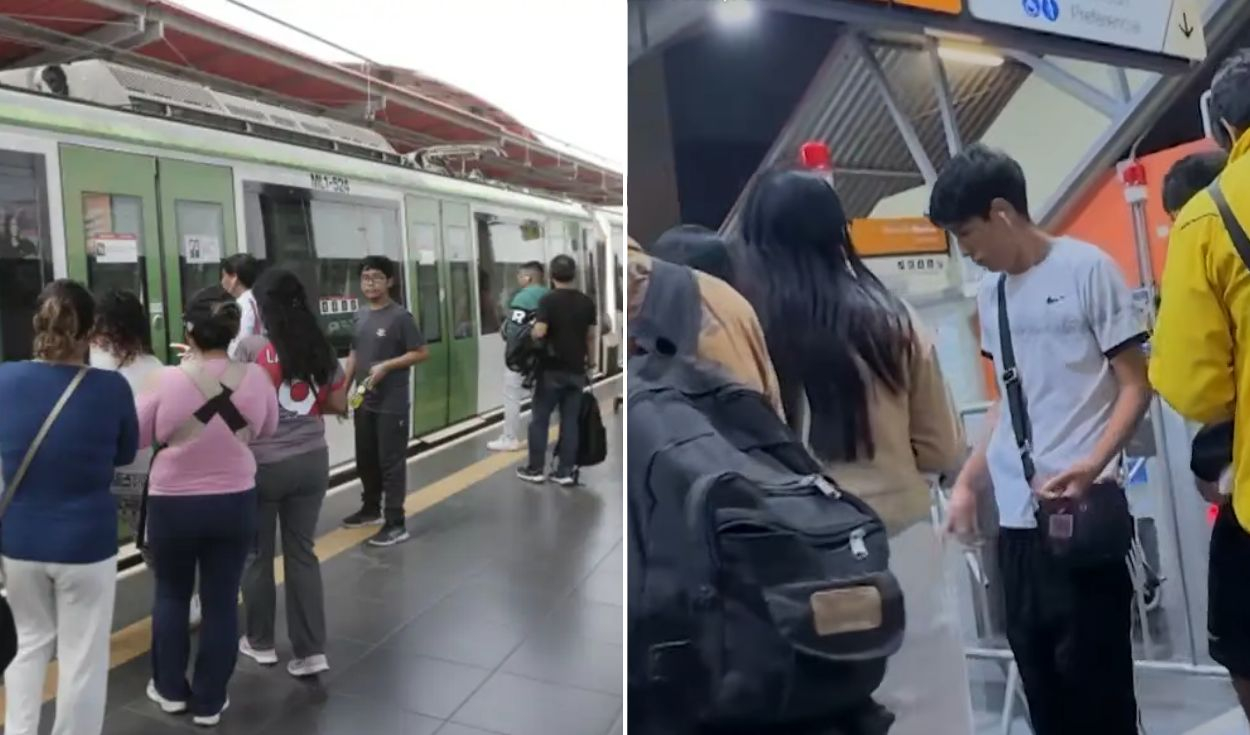
Authorities are investigating a criminal network accused of manipulating fare cards for Lima's Metro Line 1, creating a parallel payment system that allowed passengers to avoid ticket queues. The alleged scheme involved altering card balances, distributing the modified cards to informal vendors known as 'salderos,' and collecting cash payments for each entry, thereby circumventing official revenue streams.
The investigation, led by fiscal and police authorities, has identified four officers from the PNP's Railway Security Division suspected of enabling these illicit activities at specific stations. According to José Montero, head of the High-Technology Crime Investigation Division, one officer reportedly received approximately S/1,000 daily to facilitate the operations of these informal vendors.
The modus operandi began with the digital alteration of the fare cards. Prosecutor Paola Charaja explained that while the official system limits top-ups to S/100, the seized cards displayed fabricated balances of S/900 or more. Investigators identified a suspect, M. C. C., allegedly working for the Line 1 concession consortium, who reportedly used three devices and a laptop with specialized software to clone cards and modify their balances. Authorities confiscated over 1,280 cards with allegedly tampered balances, along with electronic equipment.
These altered cards were then passed to the 'salderos,' who charged passengers between S/2 and S/2.50 per entry. The investigation attributes the control of six stations and the coordination of vendor operations to M. G. B., alias 'Cojo.' The illicit cash collected remained outside the official payment system. The scheme's alleged reliance on police complicity is a key focus, with Montero stating that the investigated officers allegedly provided information about upcoming operations and the identities of assigned police personnel, with some reportedly intervening to prevent crackdowns on the vendors.
Cojo ordered me to deliver payments of S/870, S/1,270, and even S/1,570 to police officers. These deliveries were made on Saturdays, and some coordination occurred inside station elevators.
DistantNews Editorial
Originally published by La República in Spanish. Translated, summarized, and contextualized by our editorial team with added local perspective. Read our editorial standards.
More Stories

From Our Blog

What Gets Lost (and Found) When News Is Translated

The Critical Role of Diaspora Media in Global News

What Travellers Should Know About Countries with Restricted Press

A Digital Nomad's Guide to Following Local News

How the Same Story Looks Different in Different Countries
