


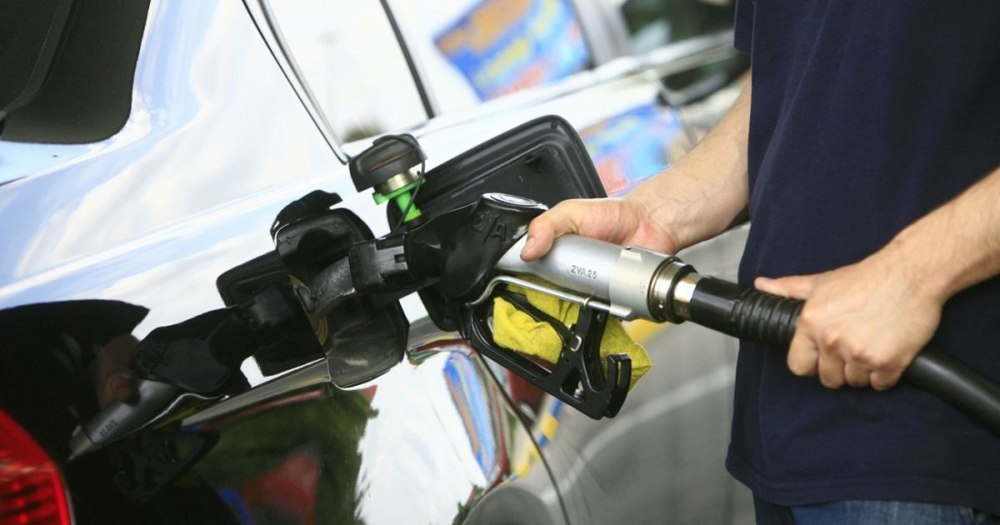
How Much Could the New EU Fuel Tax Increase Costs? A Dacia Logan Driver's Calculation
Translated from Romanian, summarized and contextualized by DistantNews.
At a glance
News
Sources not specified
Context piece
- Romania and nine other EU states are asking the European Commission to review the ETS2 carbon tax, fearing it will burden consumers.
- An expert calculated that a Dacia Logan driving 15,000 km annually could face an extra 160 euros ($175) per year under the new tax.
- The ETS2 system, set to start in 2028, will price carbon emissions from road transport and building heating, impacting fuel and energy costs.
Romania, along with nine other EU member states, is urging the European Commission to reconsider the ETS2, a new European emissions trading system that could increase fuel costs for consumers. The countries fear the additional taxation will place undue pressure on households already grappling with high energy prices.
Energy expert Dumitru Chisăliță calculated the potential impact for a typical driver. His analysis suggests that a Dacia Logan, covering an average of 15,000 kilometers annually, generates approximately two tons of CO₂ per year. At a carbon price of 80 euros per ton, the associated cost for these emissions would be around 160 euros, or nearly 800 lei, annually. This represents an estimated 8% increase on current annual fuel expenses for such a vehicle.
The ETS2 mechanism, scheduled to take effect in 2028, will extend the existing emissions trading system to include road transport and building heating. While the tax is not applied directly to drivers, fuel suppliers will need to purchase emission certificates, costs they may pass on to consumers through higher prices for gasoline and diesel.
Romania, Italy, Poland, Bulgaria, Cyprus, the Czech Republic, Estonia, Greece, Hungary, and Slovakia have formally requested a reassessment of the ETS2. They argue that the new system could impose significant additional costs on both the public and businesses at a time when energy and fuel prices remain a major economic concern.
A car Dacia Logan in a year for each kilometer driven emits 0.116 kg CO₂, so at about 15,000 km driven on average in a year, about 2 tons CO₂/year are emitted.
DistantNews Editorial
Originally published by Adevărul in Romanian. Translated, summarized, and contextualized by our editorial team with added local perspective. Read our editorial standards.
More Stories



From Our Blog

What Gets Lost (and Found) When News Is Translated

The Critical Role of Diaspora Media in Global News

What Travellers Should Know About Countries with Restricted Press

A Digital Nomad's Guide to Following Local News

How the Same Story Looks Different in Different Countries
