


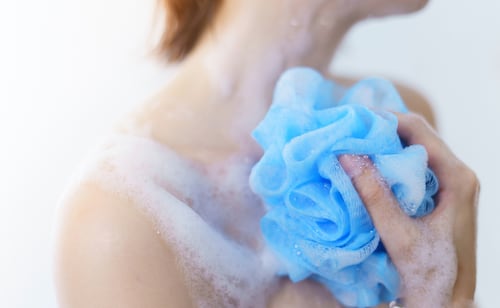
How often should you change your bath sponge? Experts recommend these tips to protect your skin
Translated from Spanish, summarized and contextualized by DistantNews.
At a glance
Explainer
Named sources
Context piece
- Dermatologists recommend replacing bath sponges every three to four weeks for natural loofahs and up to two months for synthetic ones to prevent bacterial and fungal growth.
- Sponges can accumulate dead skin cells, soap residue, and microorganisms in their porous structure, especially in humid bathroom environments.
- Proper cleaning involves rinsing thoroughly after each use, allowing the sponge to dry completely in a ventilated area, and cleaning it weekly to minimize microbial proliferation.
Your bath sponge, often left in the shower for weeks or months, can become a breeding ground for bacteria and fungi, according to specialists at Cleveland Clinic. The porous nature of sponges, particularly loofahs, allows dead skin cells, soap residue, and microorganisms to become trapped within their structure.
Loofah-type sponges are porous and have small spaces where dead skin cells, microorganisms, and soap residue can get trapped.
In the humid environment of a bathroom, these trapped substances can proliferate, potentially leading to skin infections. Dermatologists stress the importance of regular replacement and proper maintenance to prevent such issues. The recommended lifespan varies by material: natural loofah or sea sponges should ideally be replaced every three to four weeks, while synthetic plastic sponges can last up to two months if kept in good condition.
If the sponge shows mold, spots, or a musty or unpleasant odor, it should be discarded before.
Beyond the calendar, visual and olfactory cues are critical. If a sponge shows signs of mold, discoloration, or emits a musty or unpleasant odor, it should be discarded immediately, regardless of its age. These are clear indicators of excessive microbial growth.
Rinse it after each use: thoroughly remove soap and skin cell residues. To do this, pass it through hot water and squeeze it several times.
To reduce the accumulation of microorganisms, specialists advise a thorough rinsing after each use with hot water to remove soap and skin cells. Crucially, the sponge must be allowed to dry completely in a well-ventilated space; avoiding leaving it permanently in the shower can aid this process. Weekly cleaning, following manufacturer instructions, is also recommended. Additionally, dermatologists suggest avoiding harsh scrubbing of the skin, emphasizing that bathing should not cause irritation. For individuals with sensitive skin conditions like psoriasis, gentler cleaning methods, or even using hands alone, are advised over abrasive sponges.
Let it dry completely: wring it out and place it in a ventilated and dry place. Avoiding leaving it permanently in the shower can help it dry better.
DistantNews Editorial
Originally published by El Universal in Spanish. Translated, summarized, and contextualized by our editorial team with added local perspective. Read our editorial standards.
More Stories



From Our Blog

What Press Freedom Means for the News You Read

What Gets Lost (and Found) When News Is Translated

The Critical Role of Diaspora Media in Global News

What Travellers Should Know About Countries with Restricted Press

A Digital Nomad's Guide to Following Local News
