


How Reps passed state police bill amid protest by minority caucus
Summarized and contextualized by DistantNews.
At a glance
News
Official statement
Approved/passed
- Nigeria's House of Representatives passed a bill to establish state police services, aiming to improve security.
- The bill is part of a broader constitutional alteration process to restructure the nation's security architecture.
- Deputy Speaker Benjamin Kalu stated the bill provides a constitutional foundation, with subsequent legislation to detail implementation, addressing concerns during that phase.
Nigeria's House of Representatives has passed a significant bill that seeks to establish a constitutional framework for state police services across the country. The Constitution Alteration (State Police) Bill, 2026, was approved during a plenary session on Thursday, following the consideration and adoption of a report by the House Committee on Constitution Review.
Today presents a rare opportunity and a historic one that will give us the opportunity to strengthen the Nigerian security architecture, and that is by leaving a lasting legacy for our nation.
This legislative move is a key component of Nigeria's ongoing constitutional alteration process, designed to overhaul the nation's security apparatus and enhance its response to escalating challenges such as terrorism, banditry, and kidnapping. The House convened as a Committee of the Whole to deliberate on the bill clause by clause.
Deputy Speaker Benjamin Kalu, who chaired the Constitution Review Committee, presented the proposed amendment, describing it as a "significant step" toward creating a modern, professional, and accountable state police system. He emphasized that the bill lays the essential constitutional groundwork, while future legislation will address the intricate administrative and operational details required for effective implementation.
This bill represents a significant and practical first step towards the establishment of state police. It lays the constitutional foundation upon which a modern, professional, accountable and effective state police system can be built.
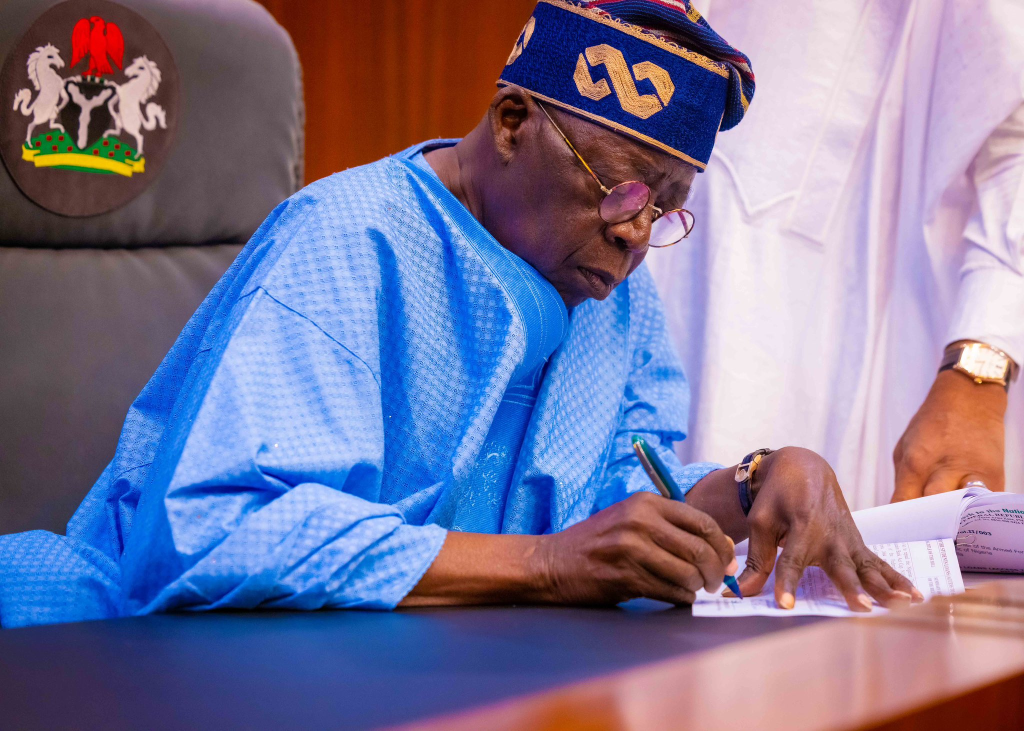
Kalu acknowledged that the bill itself would not resolve all existing concerns surrounding state police. However, he assured that subsequent implementation legislation would provide ample opportunity to address critical issues, including administration, recruitment, training, vetting, standardization, operational standards, accountability, and oversight. He also referenced President Bola Tinubu's recent establishment of a committee to examine the proposed state police system, suggesting that many legitimate concerns from lawmakers and stakeholders could be comprehensively addressed during this implementation phase. Kalu urged colleagues not to let the pursuit of perfection hinder this crucial reform.
In other words, many of the legitimate concerns expressed by members and stakeholders can still be comprehensively addressed during the implementation phase, and I am happy that Mr President has set the ball rolling by setting up a committee that will look into this implementation bill.
DistantNews Editorial
Originally published by Premium Times. Summarized and contextualized by our editorial team with added local perspective. Read our editorial standards.
More Stories


From Our Blog

How the Same Story Looks Different in Different Countries

What Gets Lost (and Found) When News Is Translated

The Critical Role of Diaspora Media in Global News

What Travellers Should Know About Countries with Restricted Press

A Digital Nomad's Guide to Following Local News
