


How Severe Is the Haze in South Kalimantan?
Summarized and contextualized by DistantNews.
At a glance
News
Named sources
Context piece
- Thick smog has enveloped parts of South Kalimantan, Indonesia, reducing visibility to less than 10 meters and posing health risks.
- Residents describe the haze as worsening, with visibility decreasing and sunlight struggling to penetrate.
- Environmental activists blame the government's failure to address root causes of environmental problems, pointing to extensive mining and plantation permits as contributing factors.
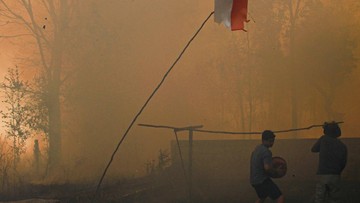
South Kalimantan, Indonesia, is currently grappling with severe smog that has blanketed several areas, significantly reducing visibility for road users and raising serious health concerns among residents. Videos circulating online depict vehicles barely visible in the dense haze, with visibility reportedly dropping to as low as 10 meters at times.
It's getting more and more yellow as the day progresses, and sunlight is barely penetrating.
Residents have described the conditions with alarm, noting the increasingly yellow hue of the smog and the diminished sunlight. One account likened the foggy mornings to "Silent Hill," while others described burning throats from the thick air. The haze has reached Banjarmasin City, with surrounding areas like Banjar Regency and Barito Kuala experiencing it almost daily.
Raden Rafiq, Director of the Indonesian Forum for the Environment (WALHI) for South Kalimantan, stated that the haze is worsening and predicted to continue doing so. He attributes this persistent problem to the government's inadequate approach to environmental issues, arguing that authorities only address recurring disasters like floods and wildfires without tackling their underlying causes.
The haze is getting worse and is predicted to get even worse going forward.
Rafiq emphasized that these environmental problems are not solely natural but are exacerbated by "poor environmental management." He highlighted the extensive burden of mining, plantation, and forest utilization permits, which cover over half of South Kalimantan's area, in addition to illegal mining operations. Rafiq contends that these permits, both legal and illegal, have exceeded the region's environmental carrying capacity, leading to recurrent disasters. He urged the government to evaluate all issued permits and impose strict penalties on companies that violate environmental regulations.
So far, the government has only addressed disasters that recur every year. When it rains, floods occur, and when it's dry, it's wildfires.
DistantNews Editorial
Originally published by Tempo. Summarized and contextualized by our editorial team with added local perspective. Read our editorial standards.
More Stories


From Our Blog

What Gets Lost (and Found) When News Is Translated

The Critical Role of Diaspora Media in Global News

What Travellers Should Know About Countries with Restricted Press

A Digital Nomad's Guide to Following Local News

How the Same Story Looks Different in Different Countries
