



How Shenzhen can win the ‘AI for science’ race
Summarized by DistantNews. Read the original for the full story.
At a glance
Analysis
Sources not specified
Context piece
- The global competition in artificial intelligence is shifting towards "AI for science," focusing on accelerating scientific discovery cycles.
- Nations like the US and China are investing in integrated platforms and city-level initiatives to harness AI for research and innovation.
- Shenzhen is advised to leverage its innovation economy, characterized by high R&D intensity and close company-researcher proximity, to gain an advantage in this race.
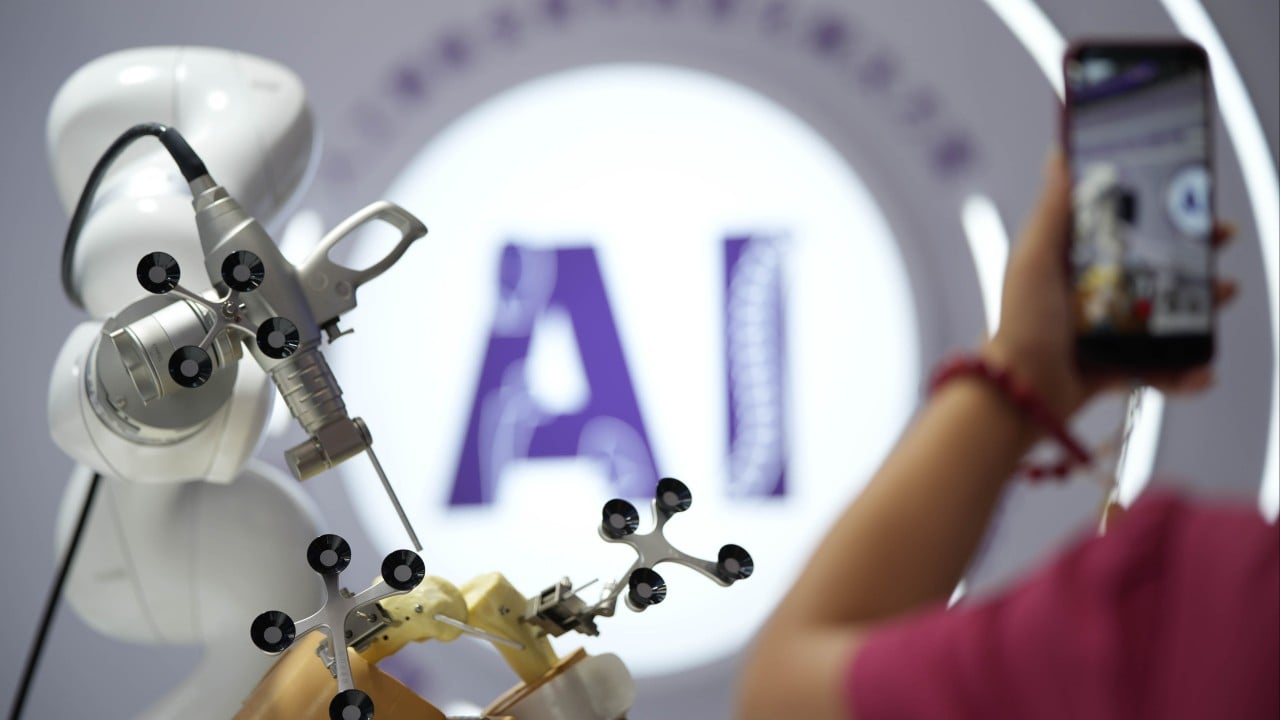
The next frontier in artificial intelligence is not just about building larger models, but about leveraging AI to dramatically shorten the scientific discovery cycle. This involves integrating hypothesis formation, simulations, experimental design, equipment operation, data collection, and learning into a cohesive process.
The United States has signaled this shift with its Department of Energy’s Genesis Mission, aiming to create an integrated discovery platform across 17 national laboratories to double research productivity. This initiative includes international partnerships, highlighting AI for science as essential infrastructure.
China is pursuing a similar direction, with Beijing planning common scientific-intelligence infrastructure and Shanghai offering significant investment support for AI-related projects. However, the article suggests Shenzhen should avoid simply copying these models. Instead, it should capitalize on its unique strengths.
Shenzhen's comparative advantage lies in its innovation economy, marked by the highest R&D intensity among Chinese cities. Crucially, over 93 percent of this R&D spending comes from companies, indicating a close proximity between research, engineering, and commercial deployment. This integration is vital for AI for science, as the challenge extends beyond developing algorithms to creating reliable scientific tools.
About this summary
Originally published by South China Morning Post. Summarized and contextualized automatically by DistantNews, with a note on how the source frames the story. Not individually reviewed before publishing. How this works.
More Stories

From Our Blog

Countries Without a Free Press: What You Need to Know

What Press Freedom Means for the News You Read

What Gets Lost (and Found) When News Is Translated

The Critical Role of Diaspora Media in Global News

What Travellers Should Know About Countries with Restricted Press
