




How should wrongly paid benefits under Decrees 178 and 67 be handled?
Translated from Vietnamese and summarized by DistantNews. Read the original for the full story.
At a glance
Analysis
Named sources
Under investigation
- Vietnamese lawyer Nguyễn Hữu Toại says improperly paid benefits under Decrees 178 and 67 must be recovered and returned to the state budget.
- He says authorities must also review the full approval and payment process, determine individual responsibility, and distinguish between cases based on conduct and fault.
- The issue follows State Audit findings of numerous policy implementation errors and a Ministry of Home Affairs order to review all Decree 178 retirement cases.
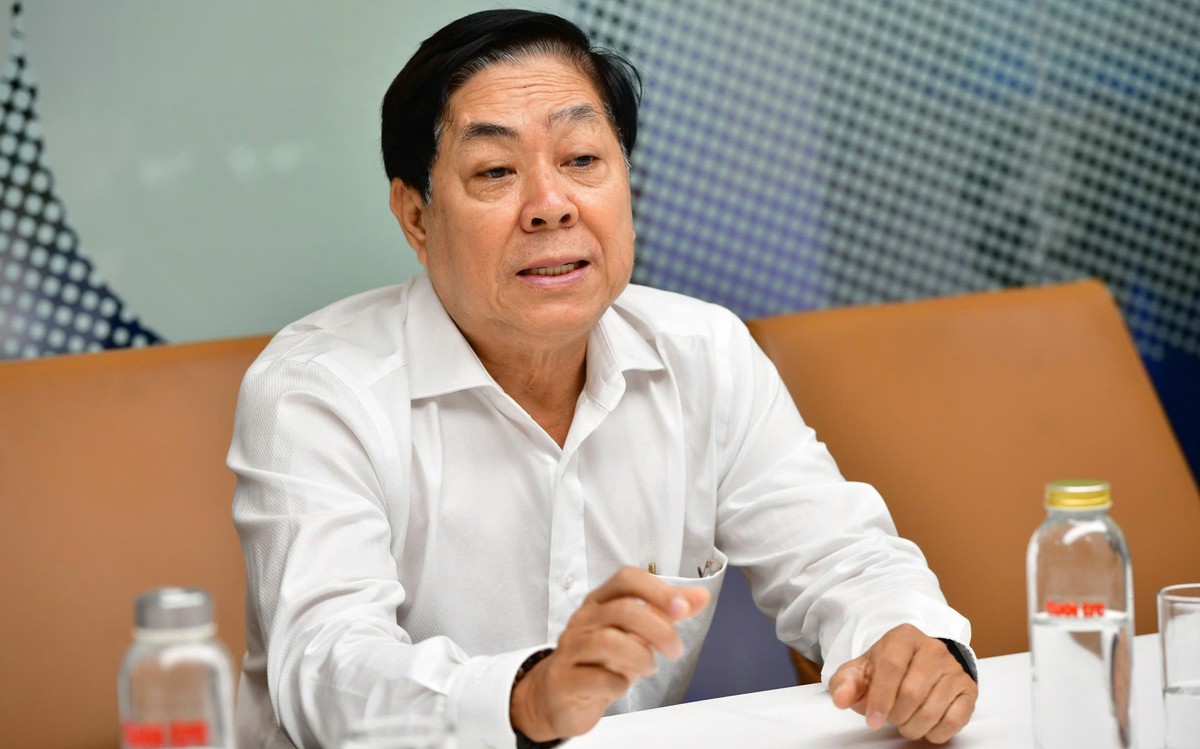
Recovering money paid under the wrong regime cannot end the matter, lawyer Nguyễn Hữu Toại says. Authorities must also determine who was responsible for approving and disbursing the funds.
His comments came after the State Audit identified numerous errors in implementing the policies under Decree 178, as amended and supplemented by Decree 67. The Ministry of Home Affairs has ordered a review of all cases involving workers who left their jobs under Decree 178.
Under Vietnam's 2025 State Budget Law, unlawful budget payments must be recovered fully and promptly. The law also prohibits spending without an estimate, spending outside an approved estimate, paying benefits contrary to prescribed regimes, standards or limits, and spending for an improper purpose.
Toại said officials should first recover the improperly paid money and return it to the state budget. At the same time, they should examine the responsibility of the organizations and individuals connected to the payment. "This must be classified according to each group of responsible parties and the seriousness of the violation, and should not be applied mechanically," he said.
A benefit payment usually passes through several stages, including identifying eligible recipients, preparing lists, checking documents, determining the applicable regime, appraising and approving the case, issuing a decision, allocating funds and making the payment. Authorities should review that entire process to establish where the error occurred and who advised, appraised, approved or ordered the payment.
Toại said the handling should be strict but fair, and decisive while reflecting the legal nature of each case. The principles should include recovering the incorrect amount, protecting recipients who received the benefit in good faith, identifying the duties of officials involved, and assigning responsibility according to each person's conduct and degree of fault.
This must be classified according to each group of responsible parties and the seriousness of the violation, and should not be applied mechanically.
About this summary
Originally published by Thanh Niên in Vietnamese. Translated, summarized, and contextualized automatically by DistantNews, with a note on how the source frames the story. Not individually reviewed before publishing. How this works.
More Stories
From Our Blog

News in Translation: What Gets Lost, and How We Keep the Framing

Diaspora Media: How Communities Follow News From Home

Traveling Where the Press Is Not Free: How to Read the News There

The Digital Nomad's Guide to Local News

The Same Story, Different Countries: How Coverage Changes at the Border
