

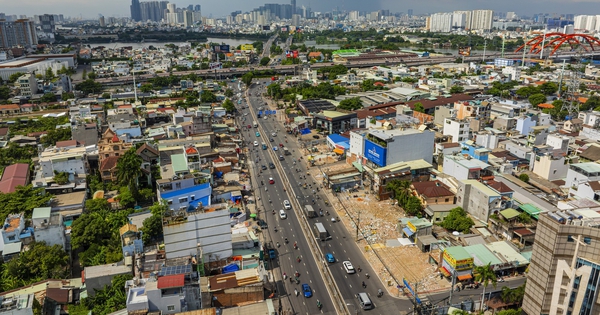

The ordeal of dissolving a company: Fix rules that revive tax IDs only to close them again
Translated from Vietnamese and summarized by DistantNews. Read the original for the full story.
At a glance
Interview
Named sources
Context piece
- Vietnamese companies can face penalties far exceeding their unpaid taxes when they try to complete dissolution procedures after years of inactivity.
- Financial expert Tran Huy Hoang attributes the bottleneck to a loose, post-audit market-entry system but a tightly controlled, pre-audit exit process.
- Weak data systems and officials’ fear of missing tax debts can prolong reviews, allowing fees and late-payment penalties to accumulate.
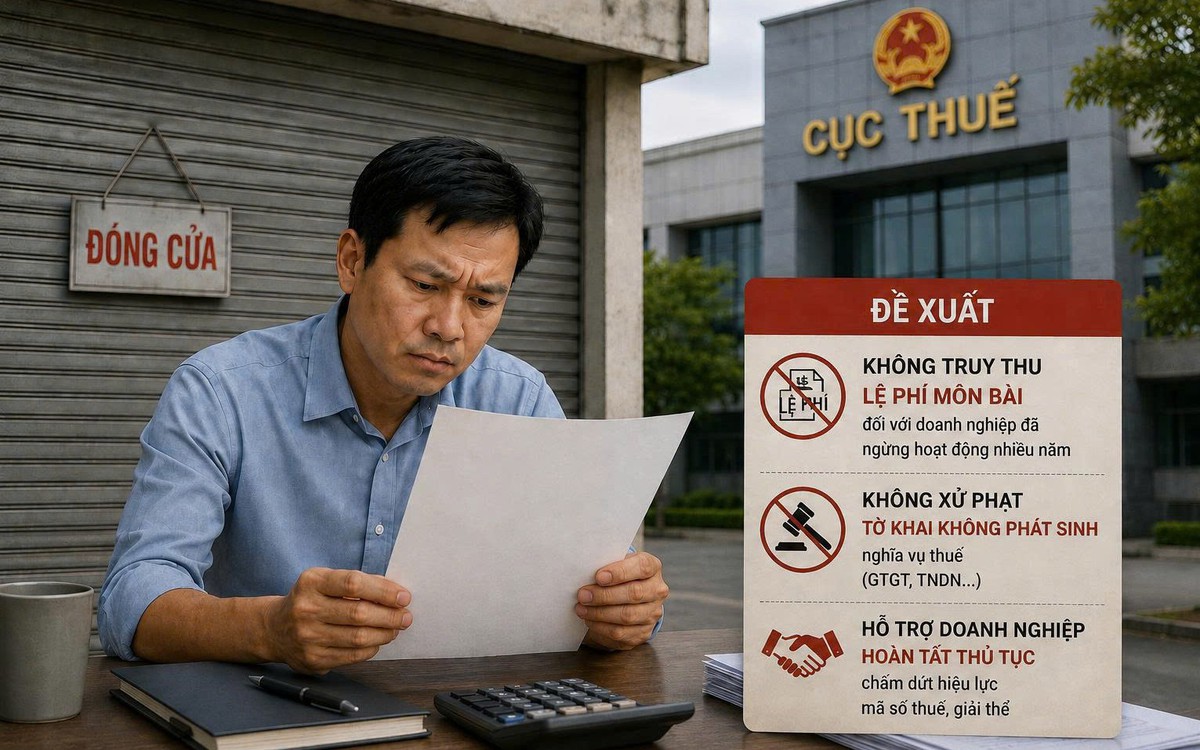
A company that owed just 2.8 million Vietnamese dong in tax could face an expected penalty of 60 million dong. Another, established in 2013, issued only one 4 million-dong tax invoice before becoming inactive for more than 12 years, yet reportedly must pay nearly 100 million dong to complete its dissolution.
These cases illustrate the difficulty of closing a company in Vietnam. In the first eight months of 2026, nearly 206,400 businesses registered as newly established or resumed operations, while many other companies remain trapped in backlogged dissolution files.
Speaking to Tuổi Trẻ, Associate Professor Tran Huy Hoang, standing vice president of Van Hien University and a finance and banking specialist, said some responsibility rests with business owners. Many assume that stopping operations means the company has effectively died and no longer needs to file declarations or pay fees. Years later, they discover accumulated debts and penalties when they try to dissolve the legal entity.
The core bottleneck is the inequality in the procedural mechanism.
Hoang said the deeper administrative problem lies in an unequal system. Market entry uses a relatively open post-audit mechanism, while withdrawal requires strict checks in advance. Because data infrastructure cannot yet automatically reconcile records, tax officials fear overlooking unpaid taxes or fraud. The safest response, he said, is often to extend inspections or leave applications pending.
That delay can make the burden grow. Under Decrees 125/2020 and 310/2025, late-payment penalties continue to apply. Business license fees may keep accruing even after a company’s tax identification number has been locked. Owners may learn about the resulting debt only when procedures involving overseas travel, property transactions or vehicles are held up. Hoang said tax authorities also lack the resources to warn businesses promptly.
The safest response for tax officials in that situation is to extend the inspection or leave the file pending.
About this summary
Originally published by Tuổi Trẻ in Vietnamese. Translated, summarized, and contextualized automatically by DistantNews, with a note on how the source frames the story. Not individually reviewed before publishing. How this works.
More Stories


From Our Blog

News in Translation: What Gets Lost, and How We Keep the Framing

Diaspora Media: How Communities Follow News From Home

Traveling Where the Press Is Not Free: How to Read the News There

The Digital Nomad's Guide to Local News

The Same Story, Different Countries: How Coverage Changes at the Border
