


How Tatars live today in Tajikistan's Sughd province
Translated from English, summarized and contextualized by DistantNews.
At a glance
In-depth
Sources not specified
Context piece
- Tatars in Tajikistan, including Crimean Tatars forcibly relocated in 1944, are striving to preserve their cultural traditions.
- Zainab Daerbekova leads the "Duslyk" Tatar community in Istaravshan, fostering unity and cultural celebration like the Sabantuy festival.
- Despite historical hardships and migrations, Tatars who remained in Tajikistan express contentment and a strong connection to their heritage.
In the Sughd province of Tajikistan, a vibrant community of Tatars, many of whom are descendants of Crimean Tatars forcibly relocated by the Soviet government in 1944, are actively working to preserve their rich cultural heritage. While the initial resettlement brought immense hardship, Tajikistan has, over time, become a home for many Tatar families.
My daughter, you are my only one. When I die, you should at least say one prayer for me. No one else will do this for me.
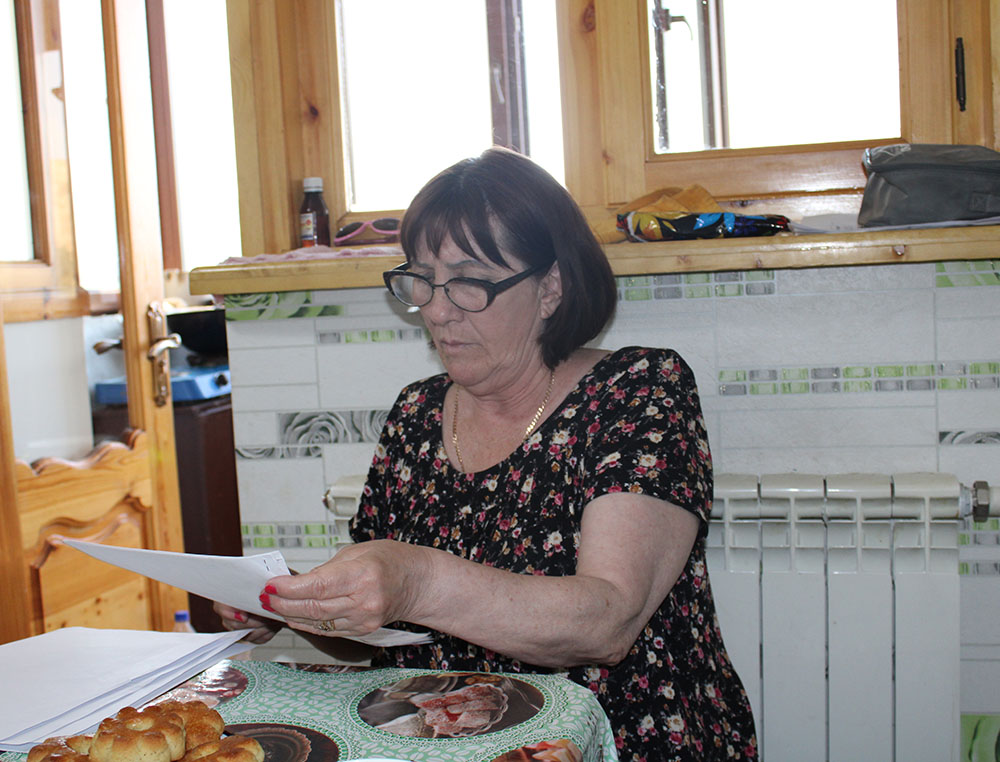
Zainab Daerbekova, a Kazan Tatar who has lived in Istaravshan her entire life, chairs the local Tatar community organization "Duslyk." Her family's migration to Tajikistan was linked to historical factors, including the 1921 famine, with her mother relocating from the Penza region. Daerbekova learned the Tatar language during visits to her mother's homeland and feels a deep connection to her roots, continuing to pray for her relatives as her mother requested.
Daerbekova has become a unifying figure for the Tatar community in Istaravshan. She recalls a memorable encounter with President Emomali Rahmon during a crafts exhibition where their national dishes, including chak-chak, were displayed. The president's interest and request to take a piece of the traditional dessert were seen as a sign of respect and attention.
We participated in a crafts exhibition, preparing a table with national dishes. And then the president approached us, greeted us, and asked about our lives. Seeing chak-chak on the table, he unexpectedly asked for permission to take it with him.
"Duslyk" annually celebrates Sabantuy, a traditional Tatar "plow holiday" that UNESCO recognized as intangible cultural heritage in 2002. Daerbekova explains that the festival embodies the Tatar people's core values: hard work, endurance, ingenuity, neighborliness, and hospitality. It serves as a powerful connection to their shared history and homeland. Despite the historical complexities and the departure of some Tatars following the Soviet Union's collapse, those who remain in Tajikistan, numbering around 200 in Istaravshan, express a sense of belonging and happiness, asserting, "We are happy here, no matter what anyone says."
We are happy here, no matter what anyone says.
DistantNews Editorial
Originally published by Asia-Plus in English. Translated, summarized, and contextualized by our editorial team with added local perspective. Read our editorial standards.
More Stories


From Our Blog

What Gets Lost (and Found) When News Is Translated

The Critical Role of Diaspora Media in Global News

What Travellers Should Know About Countries with Restricted Press

A Digital Nomad's Guide to Following Local News

How the Same Story Looks Different in Different Countries
