


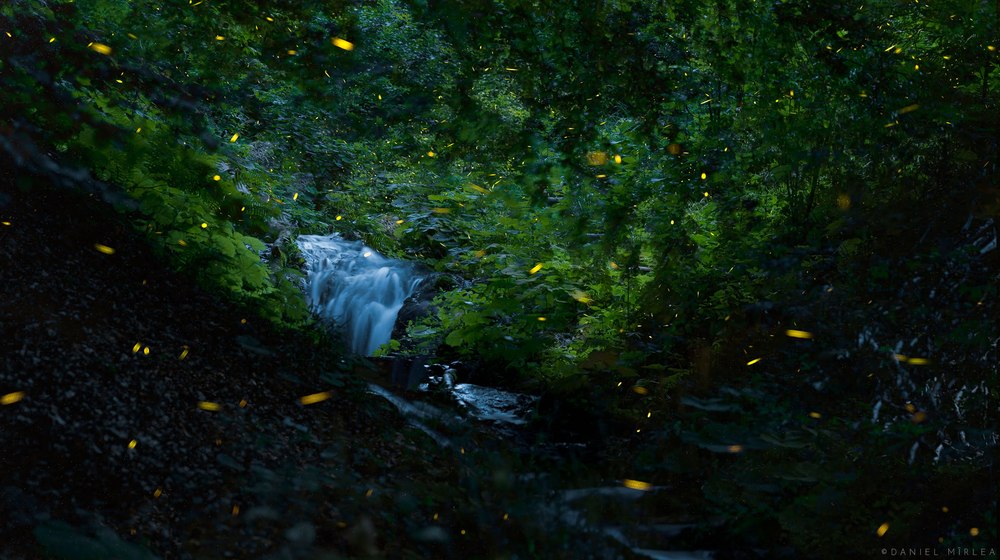
How to attract fireflies to your yard: A guide to creating a summer-lit garden
Translated from Romanian, summarized and contextualized by DistantNews.
At a glance
In-depth
Sources not specified
Context piece
- Firefly populations are declining globally due to habitat loss, pesticide use, and light pollution.
- Experts suggest that even ordinary gardens can become functional habitats if managed with natural dynamics in mind.
- Key factors for attracting fireflies include avoiding excessive lawn mowing, preserving leaf litter, and minimizing artificial light at night.
Fireflies are becoming increasingly rare in many areas, a decline that biodiversity specialists attribute to real population decreases rather than mere perception. The causes are well-documented, including the loss of natural habitats, widespread pesticide use, and the rise of nocturnal light pollution, all of which directly impact the insects' reproduction and survival.
However, research indicates that fireflies have not vanished entirely but have retreated to areas with more favorable environmental conditions. This suggests that a typical garden, if managed to align with the natural dynamics of a healthy ecosystem, can once again become a viable habitat for these bioluminescent insects, according to nwf.org.
Fireflies spend most of their lives as larvae, hidden in soil, leaf litter, and decaying organic matter. This larval stage can last from several months to two years, during which they feed on snails, worms, and other soil invertebrates. The luminous displays seen in summer evenings represent only the final stage of a life cycle heavily dependent on conditions at ground level. Paradoxically, a garden that is too 'clean' can become hostile to fireflies.
Conservation organizations emphasize that overly manicured lawns and the constant removal of leaves drastically reduce firefly survival chances. Leaf litter and un-mowed vegetation provide essential shelter, moisture, and development sites for larvae. Eliminating these elements destroys the very environment fireflies depend on. Artificial light is another critical factor; fireflies use bioluminescence for communication, particularly during mating. Nocturnal artificial lighting interferes with these light signals, hindering partner identification and reducing reproductive success. Therefore, darker gardens have a better chance of attracting fireflies.
DistantNews Editorial
Originally published by Adevărul in Romanian. Translated, summarized, and contextualized by our editorial team with added local perspective. Read our editorial standards.
More Stories


From Our Blog

What Gets Lost (and Found) When News Is Translated

The Critical Role of Diaspora Media in Global News

What Travellers Should Know About Countries with Restricted Press

A Digital Nomad's Guide to Following Local News

How the Same Story Looks Different in Different Countries
