


How to avoid turning ‘good’ and ‘bad’ single-homeowners into a policy trap
Translated from Korean and summarized by DistantNews. Read the original for the full story.
At a glance
Analysis
Documents & data
Context piece
- South Korea’s housing debate has centered on Seoul apartments, where policy changes have pushed down some high-end prices while prices rise in other parts of the capital and nearby areas.
- The article points to renewed buying by people in their 30s, a rise in property gifts in Gangnam and worsening rental-market conditions as signs of market anxiety.
- It argues that higher interest rates and tighter lending rules may prevent a repeat of the 2020 panic-buying surge, provided policy does not create further confusion.
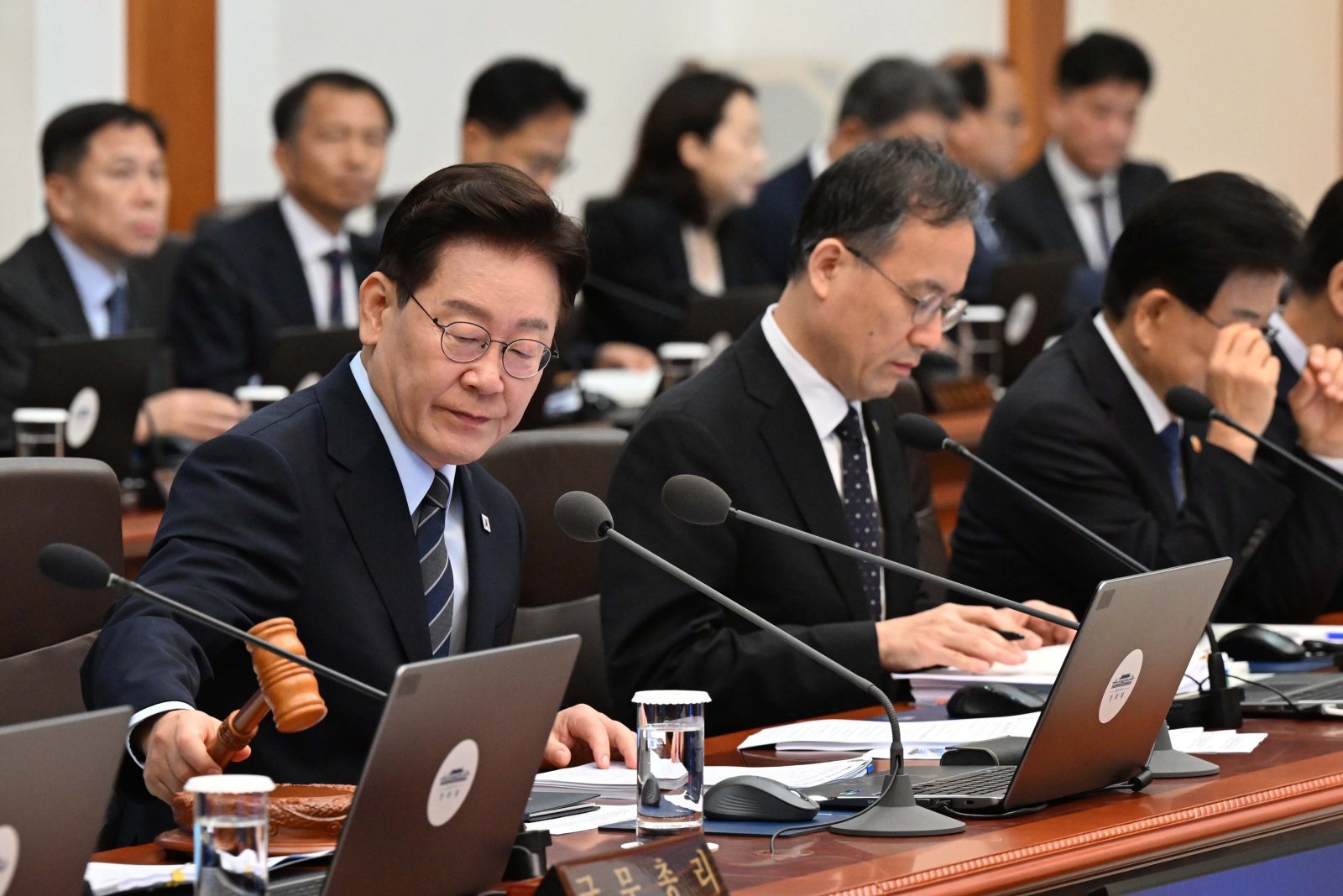
Seoul is not one housing market with one demand. It is a place to live, a gateway to universities and jobs, and an asset market where apartments have offered unusually stable returns. Those demands collide in the same city, leaving the Lee Jae-myung government with no easy way to satisfy them all.
Since the government took office, South Korea’s real-estate problem has effectively become a Seoul apartment problem. The shock following the August tax-reform plan has also been concentrated there. More listings and falling prices in high-end Gangnam and Seocho apartments look encouraging because they suggest that expensive homes are finally facing downward pressure. But the change cannot be judged from a few Gangnam-area complexes.
Prices have begun rising in much of Seoul outside Gangnam and Seocho, as well as in some high-priced areas of Gyeonggi province. If the prices of ultra-expensive homes ease while prices elsewhere become more volatile, instability has simply moved rather than disappeared. The real test is whether prices and transactions stabilize across Seoul and the wider metropolitan area.
The article highlights two warning signs associated with buyers’ expectations: people in their 30s have returned to the front line of apartment purchases, while the share of property gifts in Gangnam has nearly doubled even as the Seoul average has barely moved. Younger buyers would not make such purchases without confidence in future price gains, the argument says. Owners may also choose to keep assets within their families if they expect future capital gains to outweigh the pressure from regulations.
That behavior reflects distrust in future supply. Disputes over potential housing sites at Yongsan Park and Tancheon have reinforced the belief that new apartments are difficult to build in Seoul. The rental market is also worsening: transactions have clearly declined since last year, while Seoul jeonse prices have risen faster. A return to 2020-style panic buying is not yet certain. Interest rates are far higher than during the zero-rate period, the current concern is more concentrated in Seoul, and the average Seoul apartment price has risen from about 870 million won in 2020 to roughly 1.58 billion won. Still, the article warns that policy must not create new confusion.
About this summary
Originally published by Hankyoreh in Korean. Translated, summarized, and contextualized automatically by DistantNews, with a note on how the source frames the story. Not individually reviewed before publishing. How this works.
More Stories

From Our Blog

What Gets Lost (and Found) When News Is Translated

The Critical Role of Diaspora Media in Global News

What Travellers Should Know About Countries with Restricted Press

A Digital Nomad's Guide to Following Local News

How the Same Story Looks Different in Different Countries
