


HS analysis: The world can be thrown into chaos cheaply, and Russia knows it
Translated from Finnish and summarized by DistantNews. Read the original for the full story.
At a glance
Analysis
Documents & data
Context piece
- The analysis links the relatively low cost of the September 11 attacks to Russia’s use of hybrid tactics in Europe.
- It examines a suspected Russian explosive drone found at Leipzig-Halle Airport and the possibility that it targeted a Ukrainian transport aircraft or served as a warning.
- The piece argues that such incidents could test European and NATO unity, while noting that evidence about the case remains limited.
The September 11 attacks cost between $400,000 and $500,000, according to the U.S. congressional 9/11 Commission. That money covered passports, visas, air tickets, flight training and accommodation. For roughly the price of a Finnish detached house, 19 terrorists managed to throw the United States and much of the world into turmoil.
The scale of the cost matters because terrorism is cheaper than conventional warfare. The United States spent several trillion dollars on the wars in Afghanistan and Iraq that followed the attacks. Russia’s hybrid war in Europe belongs to the same family of methods, the analysis argues: with limited money and effort, it can create fear, uncertainty and disruption in ordinary social life and political decision-making.
where were you when you first heard
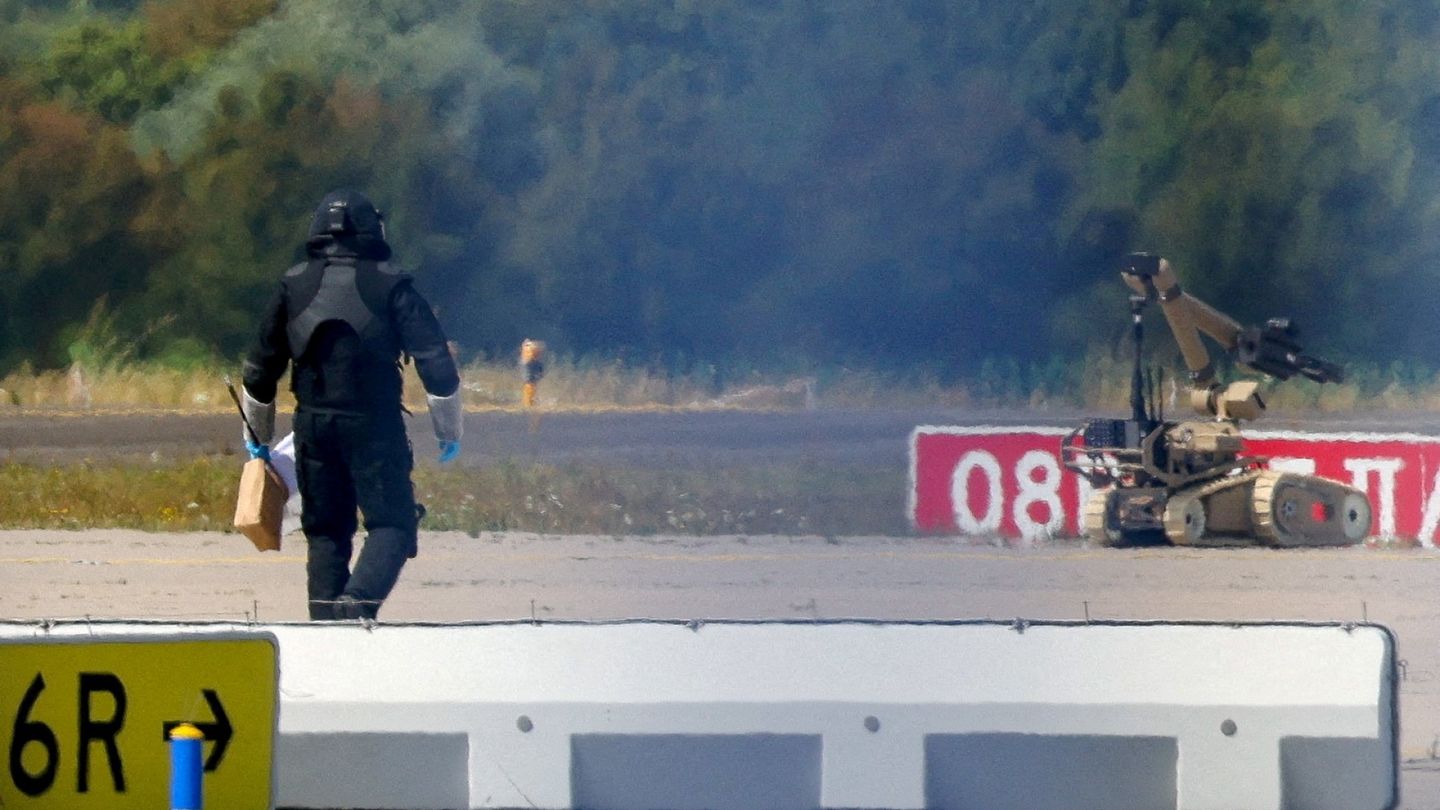
A timely example is an explosive drone found at Germany’s Leipzig-Halle Airport in early August. Germany said on Tuesday, after what the analysis describes as a meticulous investigation, that the drone was Russian. It may have been intended to destroy a Ukrainian transport aircraft at the civilian airport. It may also have been placed there simply as a warning.
Explosive drones cost from thousands to tens of thousands of euros, an amount the analysis calls pocket change even for a Russia facing economic difficulties. The incident is presented as an extremely serious reminder that Russia poses a threat to Europe and could extend its war beyond Ukraine. The analysis speculates that Vladimir Putin may be testing Europe’s and NATO’s unity, particularly while the alliance is unsettled by Donald Trump’s unpredictable conduct, or interfering in Germany ahead of state elections. It also criticizes a sensational Iltalehti headline claiming that Russia had already attacked, noting that the story relied on a single report from a single German journalist.
European NATO
About this summary
Originally published by Helsingin Sanomat in Finnish. Translated, summarized, and contextualized automatically by DistantNews, with a note on how the source frames the story. Not individually reviewed before publishing. How this works.
More Stories

From Our Blog

What Gets Lost (and Found) When News Is Translated

The Critical Role of Diaspora Media in Global News

What Travellers Should Know About Countries with Restricted Press

A Digital Nomad's Guide to Following Local News

How the Same Story Looks Different in Different Countries
