


Humanity's Long Peace: Exploring Eras Without War Across Civilizations
Translated from Romanian, summarized and contextualized by DistantNews.
At a glance
Explainer
Sources not specified
Context piece
- The question of whether humanity has experienced long periods without war depends on the definition of "war."
- While organized warfare between states is a relatively recent phenomenon, violence has existed throughout human history.
- Historical examples show periods of relative peace achieved through diplomacy, trade, and political balance in various civilizations.
In an era marked by global conflicts, the idea of prolonged peace might seem elusive. However, historians and archaeologists suggest that humanity has indeed experienced extended periods of relative peace, provided "war" is understood as organized conflict between states. This distinction is crucial, as violence has been a part of human existence long before the advent of complex societies.
For nearly 99% of human history, before the emergence of states and organized governments, warfare as we understand it today was impossible. Yet, archaeological evidence indicates that interpersonal and intergroup violence predates civilization. Early human societies, particularly hunter-gatherer communities, may not have engaged in organized warfare, with widespread evidence of large-scale collective violence being rare until around 8000 BC. While sites in Kenya and Sudan show evidence of prehistoric violence, these appear to have involved smaller groups rather than organized armies.
Many historians emphasize that true warfare requires political structures and collective organization, elements absent in early human communities. The rise of cities, kingdoms, and empires dramatically increased the frequency of armed conflict. Periods of peace in written history often resulted from the dominance of one power over rivals. However, instances of peaceful coexistence between states also exist.
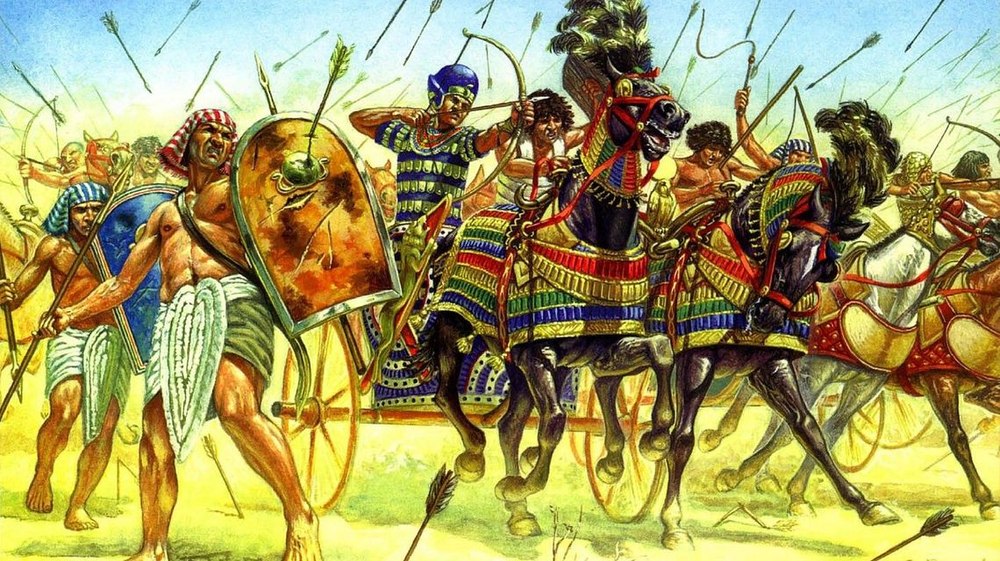
Ancient Egypt and the Hittite Empire, for example, maintained extended periods without military confrontation following diplomatic agreements. Similarly, relations between the Roman Empire and Persia saw phases of relative stability. During the Song Dynasty, China fostered economic ties that reduced conflicts with its neighbors. East Asia, from the 17th to the 19th centuries, also experienced long intervals of peace, demonstrating that political and commercial equilibria can limit the outbreak of wars. The Iroquois Confederacy in the Americas also facilitated centuries of peaceful relations among indigenous nations, and in South America, armed conflicts between states became considerably rarer in the latter half of the 20th century.
DistantNews Editorial
Originally published by Adevărul in Romanian. Translated, summarized, and contextualized by our editorial team with added local perspective. Read our editorial standards.
More Stories


From Our Blog

What Gets Lost (and Found) When News Is Translated

The Critical Role of Diaspora Media in Global News

What Travellers Should Know About Countries with Restricted Press

A Digital Nomad's Guide to Following Local News

How the Same Story Looks Different in Different Countries
