

Hundreds of Berlin homeless camps cleared since 2025
Translated from German, summarized and contextualized by DistantNews.
At a glance
News
Official statement
Context piece
- Berlin has cleared hundreds of homeless encampments and makeshift shelters since the start of 2025.
- The district of Mitte reported the highest number of clearings with around 190 camps, while other districts provided varying figures or no data.
- Berlin is implementing a park support program with daily patrols to manage public spaces, address issues like waste and social problems, and serve as a point of contact for citizens.
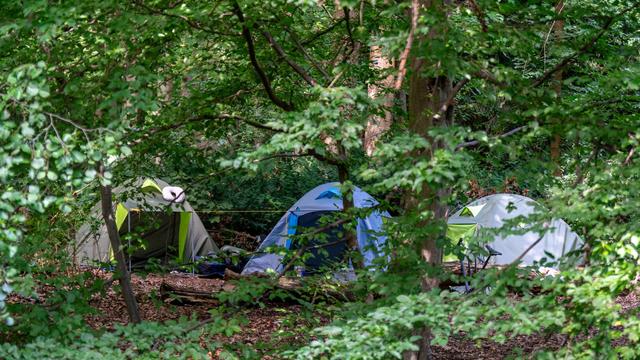
Berlin authorities have dismantled hundreds of homeless encampments and informal settlements across the city since the beginning of 2025. The district of Mitte saw the most significant number of clearings, with approximately 190 camps removed. Other districts reported varying figures, including 110 in Tempelhof-Schöneberg, 54 in Friedrichshain-Kreuzberg, and 14 in Pankow. Some districts, like Marzahn-Hellersdorf and Steglitz-Zehlendorf, reported fewer clearings or did not provide specific numbers, indicating a lack of a unified tracking system.
The response from the social administration, based on an inquiry by AfD politician Kristin Brinker, revealed that the situation is complex. While some encampments are temporary, others have evolved into more permanent settlements. The Lewishamstraße in Charlottenburg, for instance, has seen up to 15 people sleeping there at times. In Mitte, the Kleine Tiergarten park in Moabit is a particular concern due to the presence of many homeless individuals and drug addicts.
To address these issues and improve safety, the Mitte district is deploying a park support team in three areas: Kleine Tiergarten and surrounding parks, Badestraßenkiez in Gesundbrunnen, and the vicinity of the Heinrich-Heine-Straße subway station. These teams will patrol daily, removing waste, addressing rule violations, reporting incidents, and acting as liaisons for residents. Park managers will provide coordination, and a mobile unit will serve as a contact point. "Public spaces must be for everyone – clean, safe, and livable," stated District Mayor Stefanie Remlinger. "Where waste, neglect, and social problems become an increasing burden, we cannot look away."
Procedures for handling such situations and criteria for clearing camps are not standardized across Berlin's districts. Many districts offer support and attempt to find accommodation for individuals before considering a clearing. Tempelhof-Schöneberg, for example, lists this as a prerequisite for any potential eviction. Decisions on whether to clear or tolerate a camp are often made on a case-by-case basis, considering factors such as proximity to sensitive areas like playgrounds, waste problems, or resident complaints. The district authorities receive frequent complaints through their public order office website and app.
Public spaces must be for everyone – clean, safe, and livable. Where waste, neglect, and social problems become an increasing burden, we cannot look away.
DistantNews Editorial
Originally published by Die Zeit in German. Translated, summarized, and contextualized by our editorial team with added local perspective. Read our editorial standards.
More Stories



From Our Blog

What Gets Lost (and Found) When News Is Translated

How the Same Story Looks Different in Different Countries

The Critical Role of Diaspora Media in Global News

What Travellers Should Know About Countries with Restricted Press

A Digital Nomad's Guide to Following Local News
