


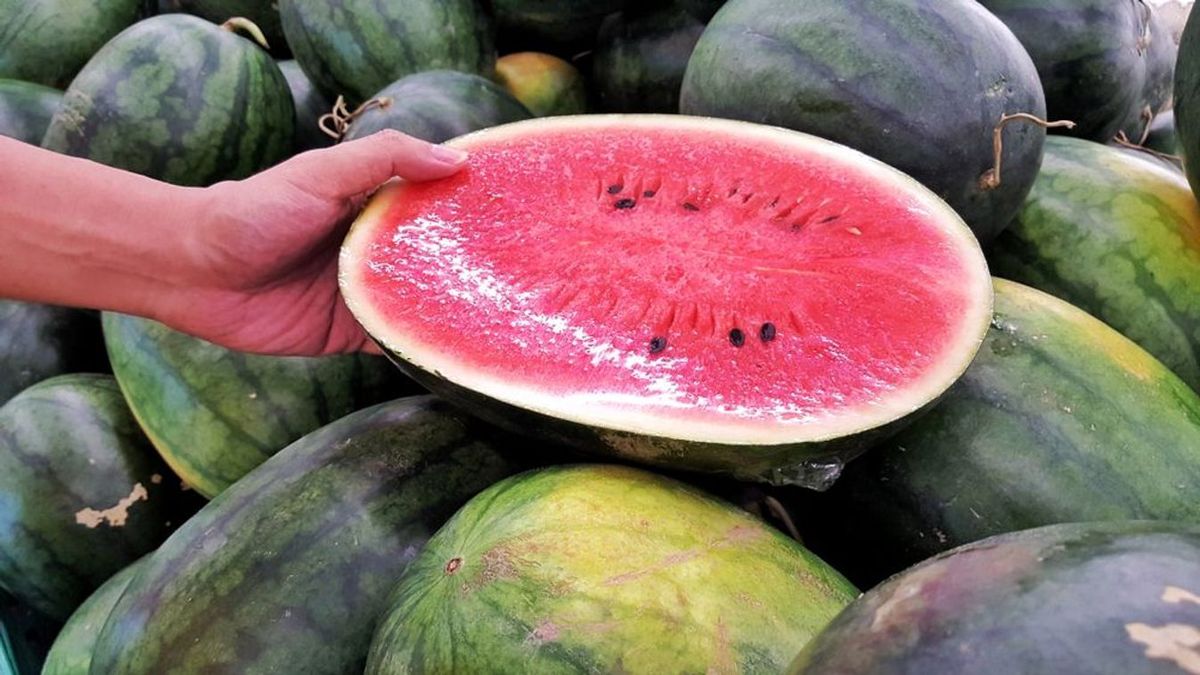
Hungarian Watermelon Producers Warn of Crisis as Prices Plummet
Translated from Hungarian, summarized and contextualized by DistantNews.
At a glance
News
Sources not specified
Context piece
- Hungarian watermelon producers are facing a severe market crisis due to low prices, threatening their profitability.
- The current producer price is roughly half of the sustainable level needed to cover production costs, which range from 4 to 6 million forints per hectare.
- Industry organizations are urging consumers to choose Hungarian watermelons over imports and are calling for stronger producer cooperation to navigate market challenges.
Hungarian watermelon producers are sounding the alarm over a deepening market crisis, characterized by critically low prices that jeopardize their financial viability. The situation is particularly acute for growers in the Békés region, which typically supplies the largest volume of watermelons to the market in the latter half of July.
Industry experts indicate that short-term improvements are limited. While an anticipated heatwave in late July and early August could stimulate demand, and the winding down of the North Macedonian and Albanian seasons might ease European market pressure, these factors are unlikely to fully resolve the price issue. Although Békés' supply will decrease in early August, larger quantities from Szabolcs and Heves regions will enter the market, meaning prices will continue to be dictated primarily by weather conditions and the supply-demand balance.
Watermelon cultivation in Hungary has seen significant development in recent years. However, farms employing intensive technologies face production costs of 4 to 6 million forints per hectare. To maintain sustainable operations, a net producer price of at least 100-120 forints per kilogram is required on average for the season. Currently, producers are realizing only about half of this necessary price, severely impacting their profitability.
Professional organizations emphasize the critical need for robust producer cooperation and strengthened sector organization to manage market crises like the one affecting all of Europe this year. They are also appealing to consumers to prioritize Hungarian-produced watermelons over imported ones, thereby supporting local farmers during this challenging period. The long-term sustainability of domestic watermelon production is at risk if current price trends persist.
DistantNews Editorial
Originally published by Magyar Nemzet in Hungarian. Translated, summarized, and contextualized by our editorial team with added local perspective. Read our editorial standards.
More Stories



From Our Blog

Countries Without a Free Press: What You Need to Know

What Press Freedom Means for the News You Read

What Gets Lost (and Found) When News Is Translated

The Critical Role of Diaspora Media in Global News

What Travellers Should Know About Countries with Restricted Press
