

Hungary Aims to Save Lives by Tightening Traffic Safety Rules
Translated from Hungarian, summarized and contextualized by DistantNews.
At a glance
News
Sources not specified
Context piece
- Hungary is considering stricter traffic safety measures, including progressive fines and average speed monitoring.
- Proposals include adjusting fines based on income or vehicle value and implementing average speed cameras on highways.
- The government is also seeking public opinion on regulating electric scooters, with options for speed limits and helmet use.
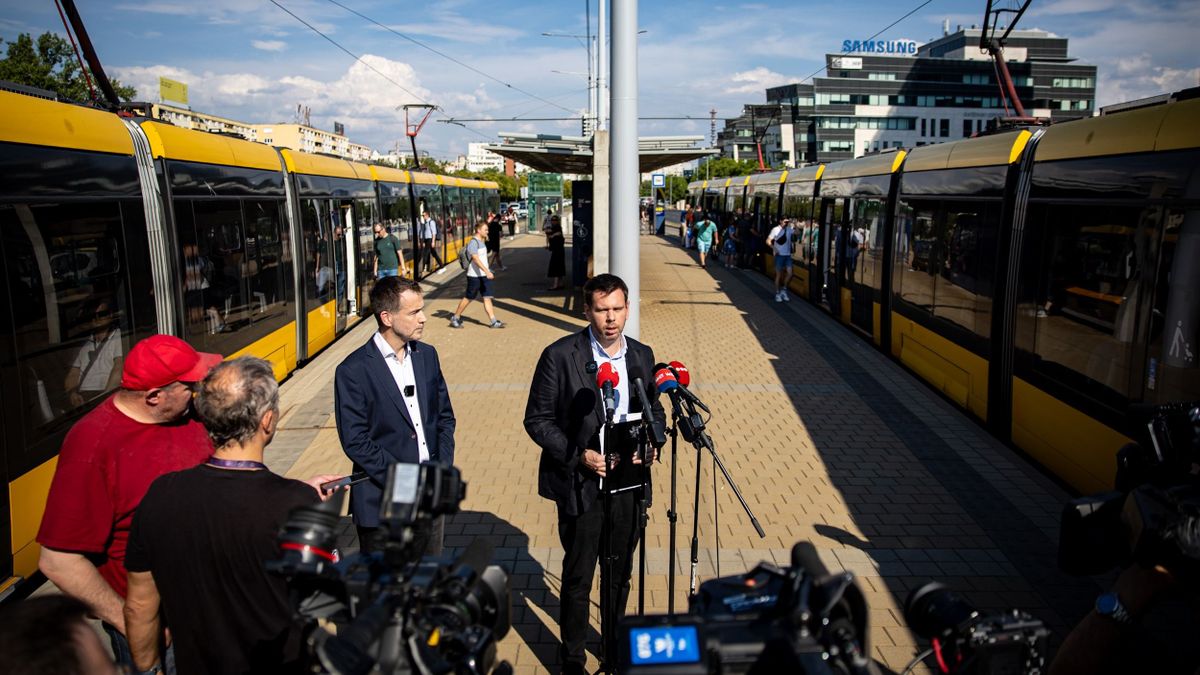
Hungary is exploring a range of stricter traffic safety measures aimed at saving lives, according to David Vitézy, the relevant minister. Among the most debated proposals is the potential introduction of progressive fines, where the amount would be adjusted based on individuals' income or the value of their vehicle.
The government is also considering the implementation of average speed measurements. Vitézy stated that the technical infrastructure, including camera systems capable of measuring section speeds, is already in place. Public opinion is being sought on whether to deploy this method on highways and other dangerous road sections. He noted that the M1 highway's currently under-construction section has seen a significant increase in accidents, suggesting average speed monitoring could be used there to enforce temporary speed limits.
A tárcavezető szerint az egyik legmegosztóbb kérdés lehet a progresszív bírságok bevezetésének lehetősége, vagyis a közlekedési bírságok összege a jövedelmi viszonyokhoz vagy a jármű értékéhez igazodna.
Furthermore, Vitézy announced plans to expand the application of the objective liability principle. Under the proposed changes, vehicle owners' responsibility would extend to unauthorized use of bus lanes, violating railway crossing signals, and certain instances of illegal parking.
A javaslat értelmében az üzembentartó felelőssége kiterjedne a jogosulatlan buszsávhasználatra, a vasúti átjáró tilos jelzésének megszegésére, valamint a szabálytalan megállás egyes eseteire is.
The public consultation also addresses the regulation of electric scooters. The questionnaire includes options for differentiating between low- and high-power scooters, introducing a 25 km/h speed limit, mandating helmet use in specific situations, and establishing a minimum age requirement. Respondents can indicate whether they would permit scooter use from ages 12, 14, 16, or 18. Vitézy confirmed that a complete ban on scooter use has not been considered.
He emphasized that the current questionnaire differs from previous government "national consultations" by posing genuine, non-leading questions. The goal, Vitézy stated, is to foster a real dialogue on issues concerning traffic safety.
A kérdőívben szerepel a kis- és nagyteljesítményű rollerek elkülönített szabályozása, 25 kilométer/órás sebességhatár bevezetése, a bukósisak használatának kötelezővé tétele bizonyos esetekben, valamint alsó korhatár meghatározása.
DistantNews Editorial
Originally published by Magyar Nemzet in Hungarian. Translated, summarized, and contextualized by our editorial team with added local perspective. Read our editorial standards.
More Stories
From Our Blog

Countries Without a Free Press: What You Need to Know

What Press Freedom Means for the News You Read

What Gets Lost (and Found) When News Is Translated

The Critical Role of Diaspora Media in Global News

What Travellers Should Know About Countries with Restricted Press
